


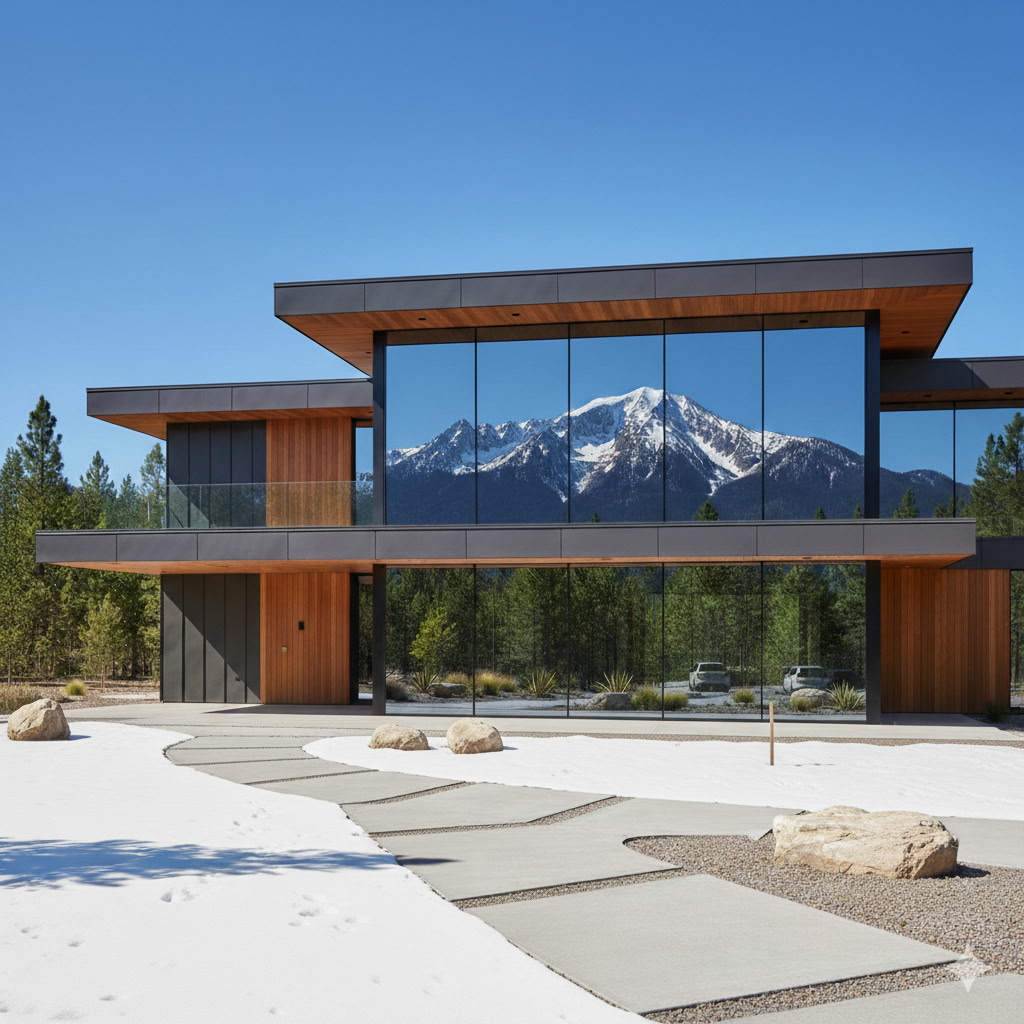

When a facade starts staining after one wet season or decking begins to move after repeated freeze-thaw cycles, the problem usually is not the installer alone. It is often the material choice. Weather resistant building materials matter because exterior performance is cumulative. Sun, rain, wind, humidity, temperature swings, and airborne contaminants do not test a product once. They test it every day.
For builders, architects, developers, and owners, the right material selection can reduce callbacks, preserve appearance, and protect long-term value. It can also make detailing easier when products are designed for real-world exposure rather than short-term visual appeal. The challenge is that weather resistance is not one single property. A material may handle moisture well but fade under UV exposure. Another may be structurally stable but require frequent refinishing. Good specification comes down to understanding how each product performs under the conditions it will actually face.
What weather resistant building materials really need to do
In practical terms, weather resistance means a material can maintain its function and appearance with limited deterioration under environmental stress. That includes resistance to moisture intrusion, UV degradation, corrosion, thermal movement, warping, swelling, cracking, and surface wear.
The best-performing products do more than survive exposure. They stay predictable. That matters on commercial facades, residential exteriors, balconies, entrances, and outdoor living spaces where appearance and lifecycle cost carry equal weight. A panel system that resists fading but oil-cans badly in heat may not be the right fit. A deck board that looks good on day one but absorbs water over time can create maintenance issues that outweigh the upfront savings.
This is why weather performance should be evaluated as a full package. Material composition, coating quality, installation method, ventilation, fastening, and substrate conditions all affect the outcome.
Choosing weather resistant building materials by application
Different assemblies face different risks. A rainscreen facade, for example, must manage moisture, thermal expansion, and surface durability. A window system must address air infiltration, water penetration, and energy efficiency. A deck must handle standing moisture, foot traffic, and seasonal movement.
For exterior wall systems, aluminum and ACM panels remain strong choices because they combine low maintenance with dimensional stability and clean visual lines. They are especially useful on projects where architects want a refined finish without accepting the upkeep that comes with more porous or paint-dependent materials. Quality finishes are critical here. A strong panel substrate still needs a coating system that can resist chalking, fading, and corrosion over time.
Fluted and decorative exterior panels can also perform well when engineered for outdoor use and paired with appropriate subframing. The key is not just style but system design. If water management and attachment details are overlooked, even a durable finish can be undermined by poor drainage or trapped moisture.
On outdoor walking surfaces, WPC decking is often selected because it offers better moisture resistance and lower maintenance than traditional wood. It does not require the same cycle of sealing, staining, and frequent refinishing. That said, not all composite products perform the same way. Density, cap layer quality, core composition, and expansion characteristics all influence how a board behaves in heat, humidity, and cold.
For openings, high-performance windows and doors play an outsized role in weather protection. Even the most durable cladding system can be compromised if the fenestration package allows water infiltration or poor thermal performance. Well-designed European-style systems are often specified for their tighter seals, energy efficiency, and modern profiles, especially on projects where envelope performance and visual precision need to work together.
Material performance is about trade-offs, not labels
One of the most common specification mistakes is assuming that a product marketed as exterior-grade will perform equally well in every climate. It will not. Coastal projects, desert heat, high-humidity regions, snow-prone zones, and urban pollution environments all create different demands.
In coastal conditions, corrosion resistance becomes a primary concern. Salt exposure can shorten the life of improperly finished metals or low-grade hardware. In high-UV regions, color retention and surface stability matter more. In cold climates, freeze-thaw durability and movement tolerance rise to the top. In wet, shaded areas, mold resistance and drainage design become more important.
This is why material selection should start with climate exposure, not just appearance boards or budget targets. A lower-cost option may look competitive at bid stage but become expensive if it requires repainting, replacement, or regular repairs within a few years. Durable materials usually earn their value over time through fewer failures, lower maintenance, and more stable visual performance.
Why aluminum-based systems are often specified
Aluminum-based products continue to gain ground because they solve several weather-related concerns at once. They do not absorb water, they resist many forms of environmental wear, and they can be fabricated into clean, contemporary systems that support both residential and commercial design goals.
ACM panels are particularly useful when a project needs a lightweight material with a finished appearance and strong exterior durability. Aluminum panels offer similar advantages where a more solid metal solution is preferred. In both cases, finish quality matters as much as the panel itself. Premium coatings help maintain color consistency and reduce visible aging under sun and moisture exposure.
Another advantage is design control. When colors, dimensions, and profiles can be customized, teams do not have to choose between performance and appearance. That flexibility is valuable on projects where branding, curb appeal, or architectural detailing plays a significant role.
Moisture resistance is only part of the picture
Many decision-makers focus first on waterproofing, which makes sense. Water is one of the most destructive forces in building assemblies. But weather resistance also includes how a product responds after repeated thermal cycling, direct sun, wind pressure, and airborne debris.
For example, some materials resist liquid water but still expand and contract enough to stress fasteners or joints. Others maintain their shape but show visible surface degradation over time. This is why installers and specifiers need to think beyond product claims and look at actual application fit.
A well-chosen material should support the full assembly. That means compatible trims, reliable fastening, movement accommodation, and a drainage strategy that does not ask the finish material to do all the work alone.
Low maintenance has real project value
Weather resistant building materials are often evaluated on strength, but maintenance demands are just as important. Property owners and facility managers do not only pay for product replacement. They pay for labor, access equipment, disruptions, and appearance decline.
Low-maintenance materials reduce those recurring costs. They also help preserve building presentation, which matters for multifamily properties, hospitality projects, retail sites, office buildings, and high-end homes. A facade or deck that keeps its finish with basic cleaning is easier to justify than one that requires a standing maintenance schedule.
This is one reason premium materials often outperform cheaper alternatives in total cost terms. The initial number on the quote is only one part of the decision. Lifecycle performance is usually the better metric.
How to specify for better long-term results
The most effective approach is to evaluate products through the lens of exposure, assembly, and expected maintenance. Start with the climate and the orientation of the building. South- and west-facing elevations may see more UV stress. Ground-level applications may face more splash-back and dirt loading. Commercial entrances take more abrasion than upper facade areas.
Next, review how the product works as part of a system. A quality panel installed with poor detailing will not deliver its full value. The same applies to windows, doors, and decking. Movement, ventilation, attachment, and transitions all need to be considered early.
Finally, weigh aesthetics against upkeep honestly. Natural materials can be attractive, but if the owner expects a low-maintenance finish, the specification should reflect that expectation. At First Class Building Products, this is where consultative product selection matters most. Good materials solve visual goals and performance goals at the same time.
The strongest projects usually are not the ones that chase the cheapest exterior package. They are the ones that choose materials built to hold up, keep their appearance, and reduce future problems. When weather is part of the job site every day, that kind of decision pays off long after installation is complete.

Leave a Reply