


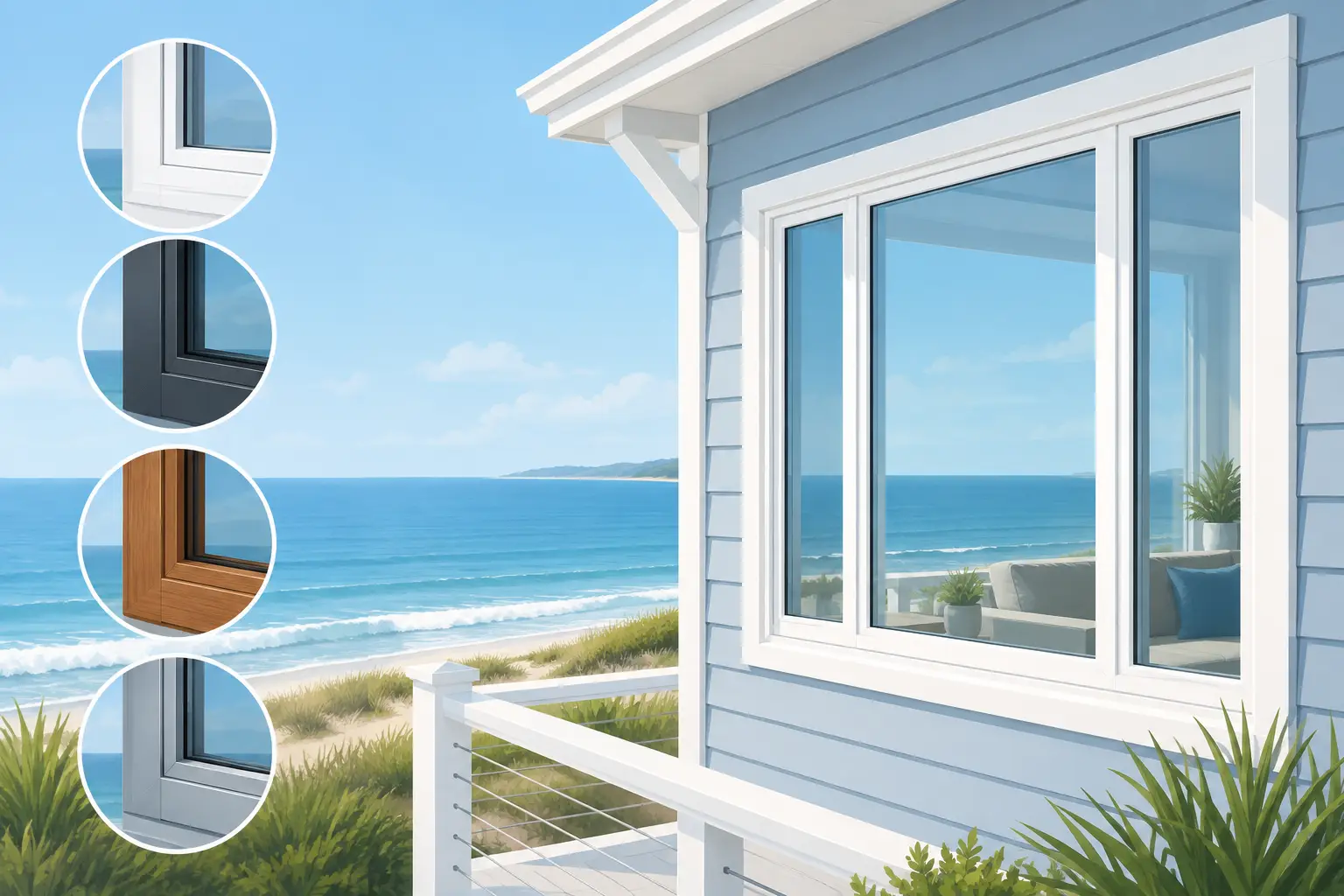
A coastal view is a premium feature. Salt residue on corroded hardware, swollen frames, fogged glass, and water intrusion are not. The best window frames coastal homes require must perform under constant exposure to wind-driven rain, humidity, UV radiation, and airborne salt. Material selection matters, but so do glazing, drainage, finish quality, hardware, and installation.
For builders, architects, and homeowners, the right decision starts with the actual exposure level. A protected home several miles inland faces a different set of demands than a beachfront property with unobstructed wind and salt spray. Specifying the same window package for both can create avoidable maintenance issues and shorten service life.
Best Window Frames for Coastal Homes: Start With Exposure
Coastal conditions accelerate the normal aging process of exterior materials. Salt attracts moisture and can promote corrosion on unprotected metals. High humidity can affect wood and expose weak seals. Intense sunlight can fade finishes, while storms test the frame, glass, anchoring, and flashing system as one assembly.
Before choosing a frame material, define whether the project is in a high-wind zone, near breaking surf, or subject to hurricane requirements. Local code requirements, design pressure ratings, and impact-resistance rules should guide the specification. A frame may look durable in a showroom, but it must be paired with the correct glass package and installed to resist the loads expected at that exact site.
The most dependable coastal specification is not simply a material choice. It is a tested window system with compatible components, proper drainage, corrosion-resistant hardware, and a flashing approach designed for the wall assembly.
Aluminum Frames Offer Strength and Clean Sightlines
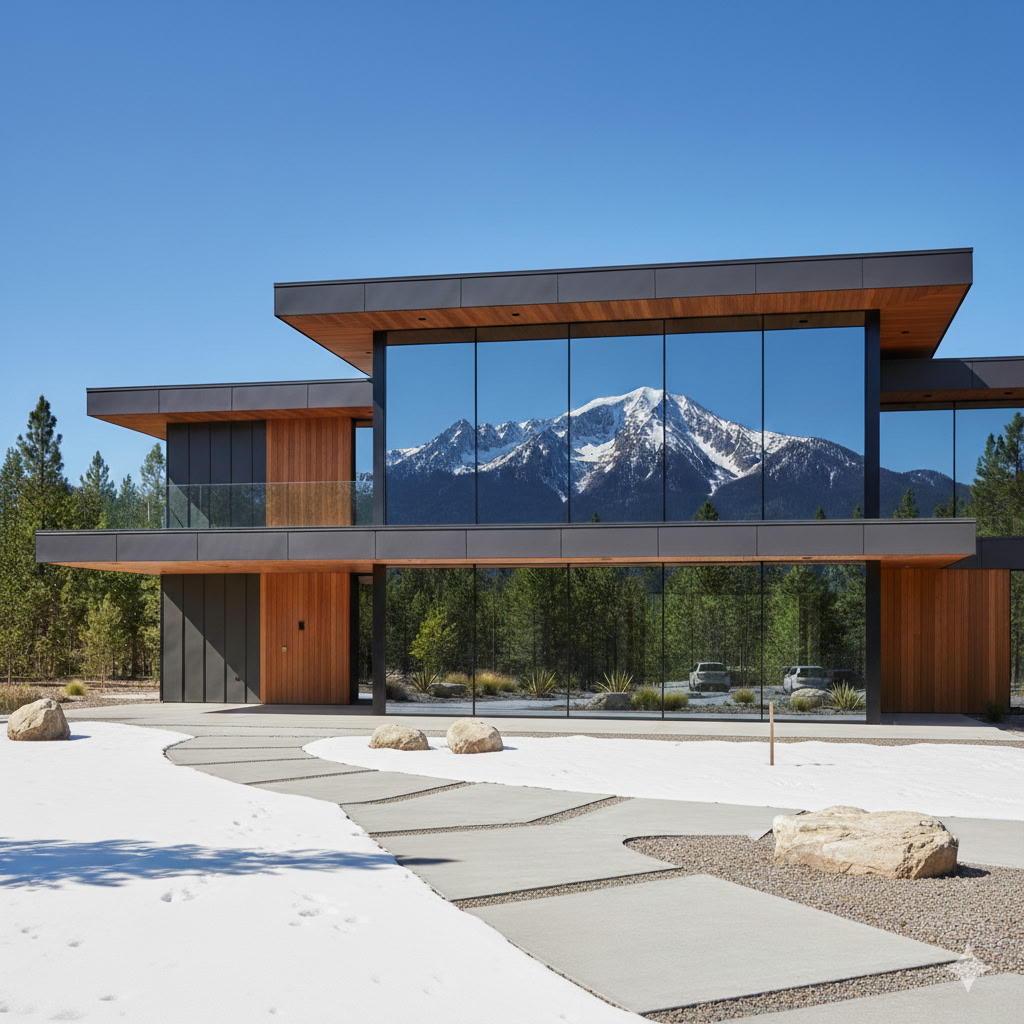
Aluminum window frames are often a strong choice for coastal homes, particularly when large openings, narrow profiles, and contemporary architecture are priorities. Aluminum provides excellent structural strength for expansive glass areas and can support configurations that may be difficult to achieve with less rigid frame materials.
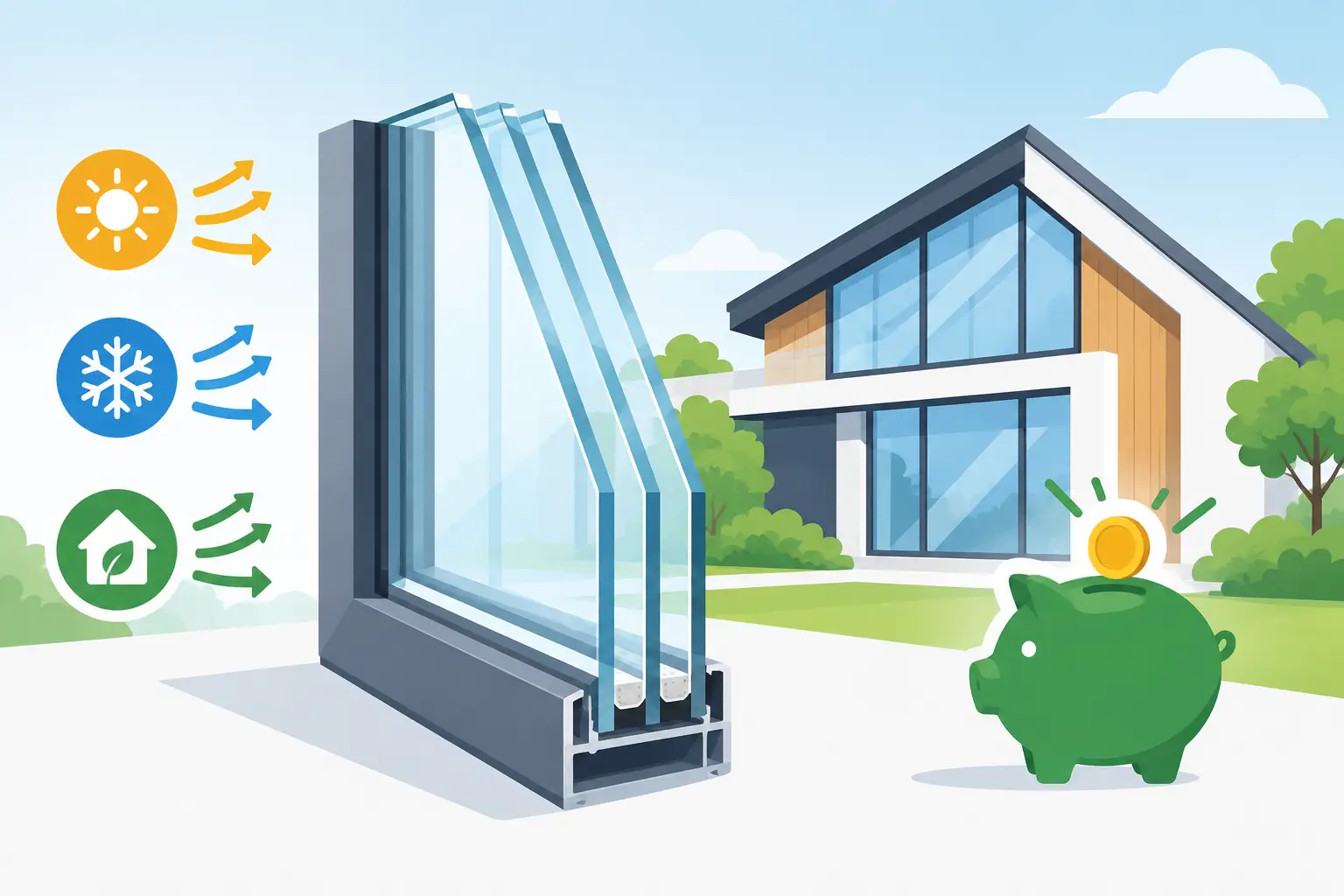
For coastal applications, the finish and construction details are critical. Specify high-quality, marine-grade or architectural-grade powder-coated finishes that resist UV exposure, chalking, and corrosion. Thermally broken aluminum is also a practical consideration. It separates the interior and exterior portions of the frame to reduce heat transfer and limit the risk of interior condensation.
Not all aluminum windows are equally suited to salt exposure. Frames should have well-designed drainage paths, protected fasteners, and hardware appropriate for corrosive environments. Ask for performance documentation instead of relying on material labels alone. The window’s water resistance, air infiltration rating, structural performance, and coating warranty provide a clearer picture of its suitability.
Aluminum is especially effective for modern homes, multifamily projects, and commercial applications where design consistency and large-format glazing are required. Its trade-off is cost. A properly engineered thermally broken aluminum system with premium finishes and impact-rated glass can carry a higher initial investment, but it can reduce long-term repair and replacement concerns.
Vinyl Frames Can Work in the Right Coastal Setting
Vinyl windows offer low maintenance, good thermal performance, and a cost-effective option for many residential projects. Because vinyl does not rust or rot, it avoids two common coastal concerns. Quality vinyl frames also do not require repainting to maintain their weather resistance.
However, vinyl is not a universal answer for exposed coastal locations. Frame quality varies considerably, and poorly designed products can expand, contract, fade, or lose their shape over time under heavy UV exposure and temperature swings. Larger window openings may also require reinforcement to meet structural requirements.
For protected coastal neighborhoods or renovations with standard-size openings, a high-quality vinyl system can be a practical solution. Look for UV-stabilized formulations, welded corners, reinforced profiles where needed, and ratings that meet the project’s wind and water requirements. Dark frame colors deserve additional review because they absorb more heat and may place greater stress on the material.
Vinyl is often selected for budget control, but the lowest-cost product is rarely the best value near the water. Reliable seals, multi-chamber profiles, quality glazing, and proven installation details matter more than a low initial purchase price.
Fiberglass Frames Balance Stability and Efficiency
Fiberglass is one of the most capable frame materials for demanding residential coastal applications. It is stable across changing temperatures, resists moisture damage, and generally provides stronger thermal performance than standard aluminum frames. Its low expansion rate helps maintain the fit of seals and glazing over time.
Fiberglass does not corrode like unprotected metal and will not rot like wood. It can also be finished in a range of colors and, in some systems, can be repainted when a future design update is needed. These characteristics make it a strong fit for homeowners seeking a refined appearance with lower maintenance demands.
The primary drawback is price and availability. Fiberglass window systems typically cost more than vinyl, and product choices may be more limited depending on the market. For high-end coastal residences, though, the combination of dimensional stability, energy performance, and resistance to moisture-related problems often justifies the investment.
Wood and Composite Frames Need a Clear Maintenance Plan
Wood remains appealing for traditional coastal architecture because it provides warmth, detail, and design flexibility. But exposed wood requires disciplined maintenance. Paint, stain, sealants, glazing compounds, and joints need routine inspection, especially on elevations exposed to prevailing winds and rain.
A clad wood window can reduce exterior maintenance by protecting the wood with an aluminum or other weather-resistant exterior layer. This approach can deliver an authentic wood interior while improving exterior durability. The quality of the cladding, edge detailing, drainage design, and fastener protection still deserves close attention in salt-air environments.
Composite frames can also be a viable option, depending on the manufacturer and construction. These products may combine wood fibers, polymers, or other engineered materials to improve stability and moisture resistance. They should be evaluated by tested performance, not by the word “composite” alone. Ask how the frame behaves under UV exposure, how it manages water, and whether its hardware and fasteners are rated for coastal conditions.
Glass and Hardware Are Part of the Frame Decision
A coastal window is only as durable as its weakest component. Even an excellent frame can underperform if it has standard hardware, low-grade seals, or glass that does not meet local wind and impact requirements.
For exposed locations, specify corrosion-resistant hardware and verify the finish. Stainless steel components may be appropriate, but stainless grades vary and not every grade performs the same near saltwater. Hinges, locks, fasteners, rollers, and screws need the same level of attention as the visible frame.
Glazing should be selected for the climate and code requirements. Laminated impact glass can help protect against windborne debris and may remain in place after breakage, helping preserve the building envelope during a storm. Low-E coatings can reduce solar heat gain and protect interior finishes from UV exposure. In hot, sunny coastal regions, the right solar control glass can also improve comfort and reduce cooling loads.
Be cautious about treating impact glass as a complete answer. It addresses a major storm-resistance concern, but it does not replace proper water management, frame performance, or installation quality.
Installation Determines Long-Term Performance
Coastal window failures are frequently installation failures. The rough opening must be prepared correctly, the sill must manage water, flashing must integrate with the weather-resistive barrier, and sealant joints must be appropriate for the materials involved. A bead of caulk alone is not a water-management strategy.
Installation should follow the window manufacturer’s instructions and the project-specific wall design. Stucco, siding, masonry veneer, and panel systems each require compatible flashing and drainage details. On a high-exposure elevation, it may be worthwhile to use enhanced sill pans, back dams, and carefully detailed head flashing rather than relying on minimum practices.
After installation, establish an inspection schedule. Rinse frames and hardware with fresh water where salt accumulation is heavy, inspect sealant joints, keep weep paths clear, and address small coating damage before corrosion spreads. These tasks are straightforward, but postponing them can turn a minor maintenance item into a costly replacement.
Specify for the Building, Not the Brochure
The best coastal window frame is the one matched to the exposure, architectural design, code requirements, and maintenance expectations of the project. Thermally broken aluminum is often the right answer for large, modern openings. Fiberglass offers an excellent balance of stability and energy efficiency. High-quality vinyl can perform well in less exposed residential settings, while clad wood suits projects where interior character is worth a more active maintenance plan.
First Class Building Products helps project teams evaluate exterior products with performance, design flexibility, and long-term durability in mind. For a coastal build, bring the window decision into the envelope discussion early. A frame, glass, hardware, and installation package selected as one system will protect the view without creating a maintenance burden behind it.

Leave a Reply