


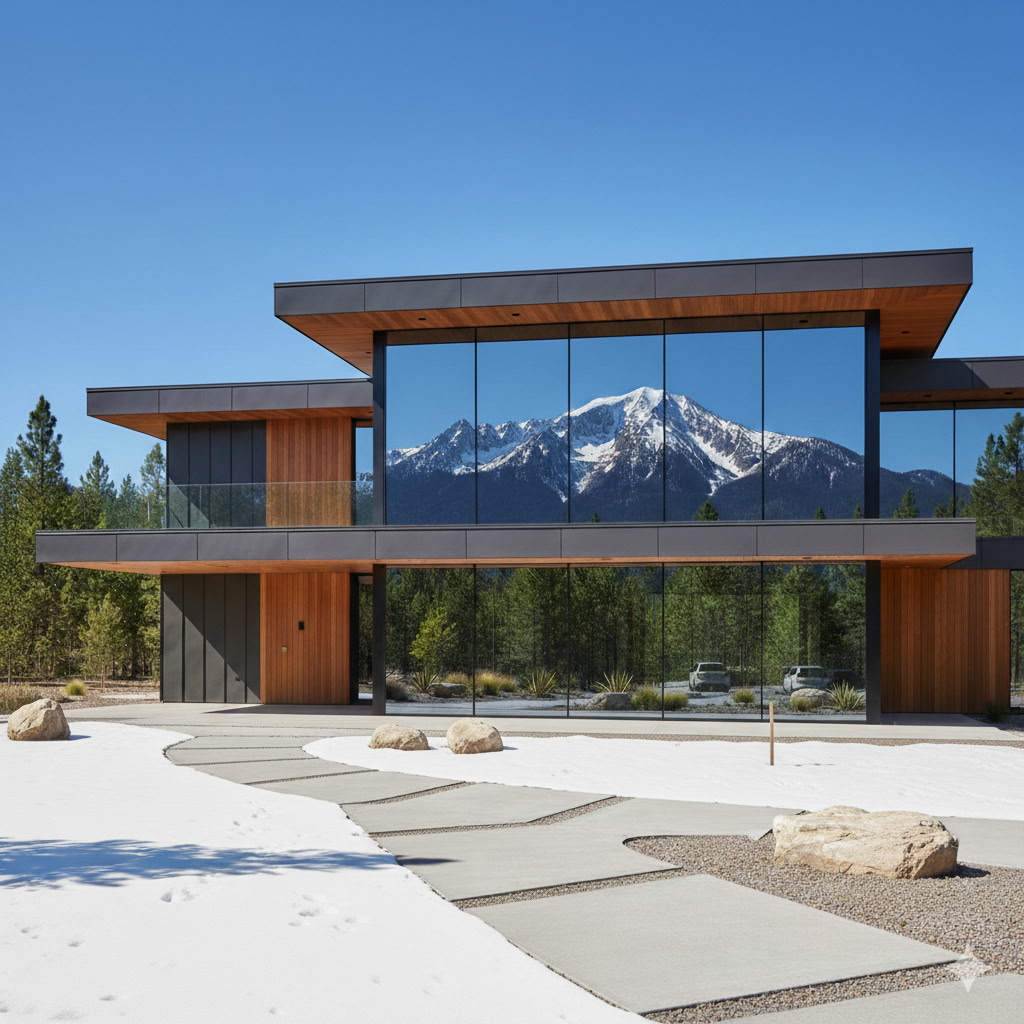

A lobby floor can look worn long before the rest of the building shows its age. Grit at entryways, rolling carts, chair movement, dropped tools, moisture, and constant foot traffic all expose weak materials quickly. The best high traffic flooring is not simply the hardest surface available. It is the material that matches the traffic pattern, maintenance plan, substrate condition, safety requirements, and design goals of the space.
For contractors, developers, and property owners, the right decision reduces replacement costs, limits downtime, and protects the finished appearance of the project. It also helps avoid a common mistake: specifying a residential-grade floor in a space that operates like a commercial one.
What Makes Flooring Suitable for High Traffic?
High-traffic performance starts with construction, not color or texture. A suitable floor needs a durable wear surface, stable core or body, reliable installation system, and an appearance that can tolerate normal use without showing every scuff or particle of dust.
Traffic itself also needs to be defined. A busy family kitchen, a multifamily corridor, a retail store, and a medical office may all see frequent use, but they place different demands on flooring. Wheels and rolling loads can be more damaging than foot traffic. Entry zones introduce abrasive grit and water. Restaurants and fitness areas may require greater slip resistance and easier sanitation. A flooring specification should address those realities before a finish is selected.
The condition of the subfloor matters just as much. Even a premium floor can fail early when installed over excessive moisture, an uneven surface, or a substrate that does not meet manufacturer requirements. Preparation and installation are part of the performance system.
Best High Traffic Flooring Options Compared
SPC flooring
SPC flooring, or stone polymer composite flooring, is one of the strongest all-around choices for active residential and light-to-medium commercial interiors. Its rigid mineral-based core provides dimensional stability, while a protective wear layer helps resist scratches, stains, and day-to-day abrasion. It is also waterproof, which makes it well suited to entryways, kitchens, break rooms, rental units, corridors, and retail environments where spills and wet shoes are expected.
For many projects, SPC delivers the most practical balance of performance, installation efficiency, and design flexibility. It can provide the visual character of wood or stone without the maintenance demands of natural materials. A quality product with a commercial-grade wear layer is especially useful where a refined finish is required but the project cannot accommodate long closures or complex wet-trade installation.
SPC is not the answer to every condition. Heavy point loads, poorly prepared subfloors, and extreme direct sun exposure can still create issues. In commercial applications, confirm the wear-layer rating, approved adhesive or locking system, rolling-load guidance, and warranty terms for the intended use.
Porcelain tile
Porcelain tile remains a leading option for the most demanding wet, abrasive, and heavily used areas. It performs well in retail entries, public corridors, restrooms, food-service spaces, mudrooms, and lobbies. Properly specified porcelain offers excellent moisture resistance, high scratch resistance, and a long service life.
Its trade-off is installation complexity. Tile requires a sound, properly prepared substrate and skilled installation. Grout joints require attention, particularly in spaces exposed to dirt, grease, or frequent cleaning. Large-format tile can create a clean, contemporary appearance with fewer grout lines, but it still demands careful layout and leveling.
Slip resistance deserves close attention. A highly polished tile may look impressive in a showroom but may not be appropriate near entrances or in areas that are regularly wet. Select a finish appropriate to the use of the space, not only its visual concept.
Polished concrete
Polished concrete is a durable, low-maintenance choice for large commercial areas, warehouses, showrooms, and modern residential spaces with an existing concrete slab. It handles foot traffic well, eliminates the need for a separate finish floor in some projects, and can support a clean industrial or contemporary design direction.
The limitation is that concrete is not automatically problem-free. Cracking, patching, moisture, slab flatness, and existing coatings all affect the final result. It can also be hard underfoot and acoustically reflective, which may be a concern in offices, hospitality spaces, and multifamily common areas. Area rugs, acoustic treatments, and strategic finish changes can help address those conditions.
Commercial sheet vinyl and luxury vinyl tile
Commercial sheet vinyl and luxury vinyl tile can be effective in healthcare, education, office, and service environments where sanitation, comfort, and resilient performance are priorities. Sheet vinyl has minimal seams, which is useful where moisture control and frequent cleaning are required. Luxury vinyl tile offers modularity, allowing individual damaged sections to be replaced without removing the entire floor.
These products vary widely in quality. The wear layer, backing, adhesive system, and maintenance requirements should be reviewed carefully. Lower-cost vinyl may perform adequately in a low-demand setting but can show wear quickly under busy commercial use. Choose commercial-rated products when rolling traffic, frequent cleaning, or extended operating hours are expected.
Engineered hardwood
Engineered hardwood can work in high-use residential spaces, executive offices, and hospitality areas where genuine wood is central to the design. A quality engineered construction is generally more stable than solid hardwood, and a thicker wear layer may allow refinishing over its lifespan.
Still, wood is not the most forgiving option for every busy area. It can scratch, dent, and react to moisture. It is better reserved for spaces where appearance, climate control, and maintenance discipline support the investment. For active households with pets or commercial spaces with public entry, wood-look SPC often offers a more practical alternative.
Match the Floor to the Traffic Pattern
The best specification begins by identifying where wear will occur, rather than treating every square foot the same. Entryways need moisture resistance and a finish that hides grit. Main corridors need abrasion resistance and dependable transitions. Areas with wheeled equipment need products rated for rolling loads. Spaces that are cleaned frequently need surfaces that tolerate the selected cleaning methods.
Color and pattern also affect long-term appearance. Very dark solid floors can reveal dust and scratches. Very light solid floors can make dirt visible. Mid-tone colors, natural grain patterns, subtle variation, and textured finishes often keep a high-traffic floor looking cleaner between maintenance cycles. This is a practical design decision, not merely an aesthetic preference.
In mixed-use projects, different flooring materials may be the best answer. Porcelain tile at a wet entrance, SPC through adjacent corridors and suites, and carpet tile in selected acoustic zones can give each area the performance it needs. Material transitions should be planned early so elevation changes, expansion requirements, and trim details are properly resolved.
Installation Details That Protect the Investment
A high-performing floor depends on disciplined installation. Moisture testing is essential over concrete substrates, even for waterproof surface materials. Waterproof flooring does not make the building assembly immune to moisture beneath the floor. Excess slab moisture can affect adhesives, create odor concerns, and contribute to failures at seams or transitions.
Subfloor flatness is equally important, particularly for rigid-core flooring and large-format tile. High spots, low spots, and debris can create movement, cracking, telegraphing, or visible irregularities. Expansion gaps, transition profiles, and edge protection should be installed according to the product requirements rather than treated as cosmetic details.
For commercial work, document the approved product, installation method, substrate preparation, moisture readings, and maintenance recommendations. This creates a clear record for closeout and helps protect the project team if a future issue needs to be evaluated.
Maintenance Is Part of Performance
No floor is maintenance-free, especially in a busy building. The most cost-effective maintenance strategy begins at the entrance. Quality walk-off mats reduce the grit and moisture that cause much of the visible wear on hard surfaces. They should be large enough to capture debris before it reaches the finished floor and cleaned frequently enough to remain effective.
Daily dry cleaning, prompt spill removal, and manufacturer-approved cleaning products preserve the wear surface. Avoid overly aggressive pads, waxes, or chemical cleaners that can dull finishes or leave residue. Furniture glides, protective pads, and load-distribution measures under equipment also make a measurable difference over time.
For projects that need a dependable blend of waterproof performance, low maintenance, and refined visuals, First Class Building Products offers SPC flooring options designed for demanding interior applications. The right selection should still be based on the space, expected traffic, and installation conditions.
A floor earns its value over years of use, not on installation day. Specify for the people, equipment, moisture, and maintenance the space will actually see, and the finished surface will remain an asset instead of becoming the next replacement project.

Leave a Reply