


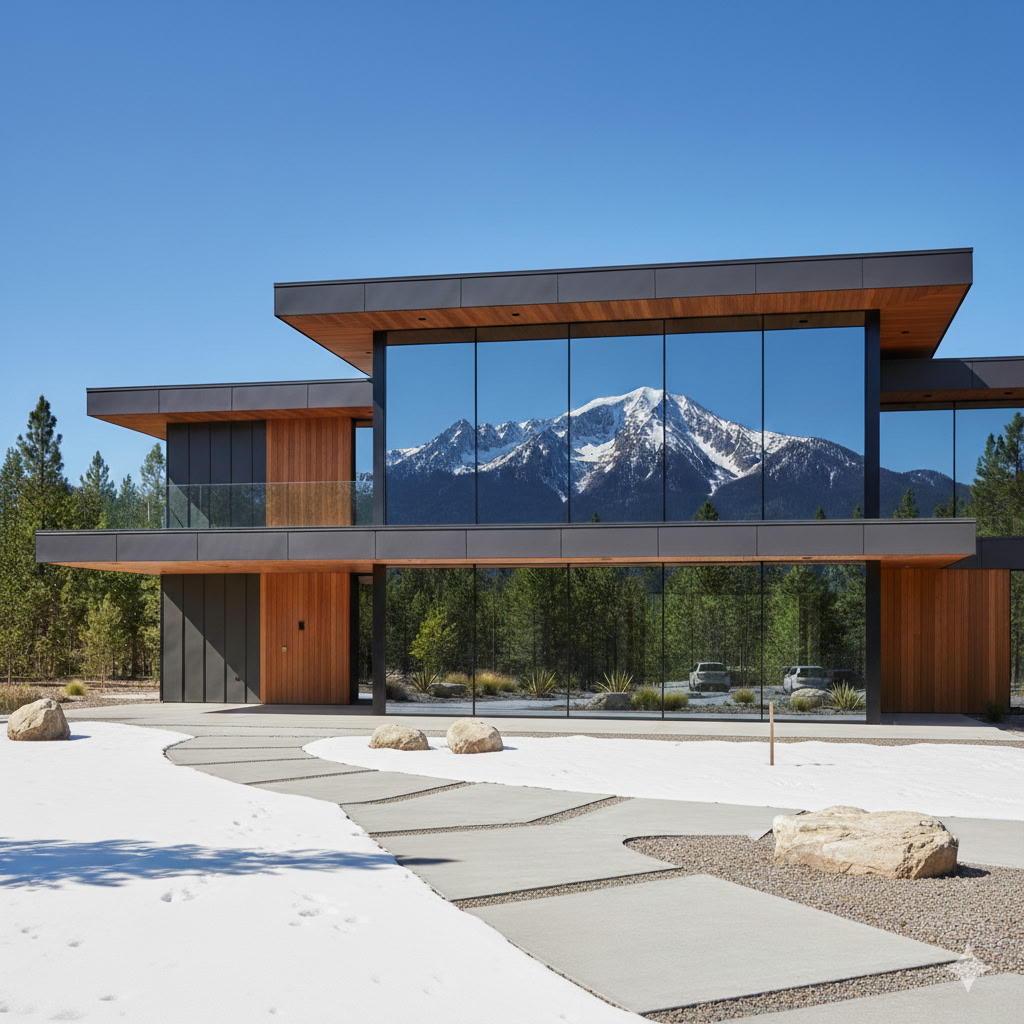

A door specification can affect far more than curb appeal. It influences energy performance, weather protection, maintenance planning, security hardware, and the visual character of the entire facade. When comparing aluminum doors versus fiberglass doors, the right choice depends on the opening type, climate exposure, design intent, and expected level of use.
Both materials can perform well when paired with quality glass, hardware, weatherstripping, and professional installation. However, they are not interchangeable. Aluminum is often the stronger fit for contemporary glazed systems and commercial applications, while fiberglass is a dependable option for insulated residential entry doors with a traditional appearance.
Aluminum Doors Versus Fiberglass Doors: The Core Difference
Aluminum doors are built around metal frames and panels or glass lites. They are valued for strength, slim sightlines, corrosion resistance, and finish options. Aluminum is commonly used for hinged entry doors, patio doors, folding and sliding door systems, storefronts, and large-format glazed openings.
Fiberglass doors are typically formed with a reinforced fiberglass skin over an insulated core. Many are engineered to resemble painted wood or stained wood grain, making them a frequent choice for front entry doors on single-family homes. Their insulated construction can provide strong thermal performance, particularly in a solid or partially glazed door configuration.
The decision is not simply metal versus composite. The door system, frame design, glass package, threshold, hardware, and installation details all affect real-world results.
Strength, Size, and Daily Use
Aluminum offers a high strength-to-weight ratio. That characteristic allows manufacturers to produce larger door panels and broader glass areas without the bulky profiles often required by other materials. For architects and builders pursuing a clean, modern elevation, aluminum can support narrow frames, tall openings, and visually connected indoor-outdoor spaces.
This makes aluminum especially practical for commercial entrances, multi-family projects, luxury residences, and locations with expansive views. A properly designed aluminum system can also carry heavier glazing and high-performance hardware suited to frequent operation.
Fiberglass is durable, but it is generally better suited to standard-sized hinged entry doors than oversized, glass-forward systems. It will not rust, and its surface can resist normal dents and everyday wear better than many wood door options. Still, a fiberglass slab may not be the preferred choice for unusually wide or tall openings, particularly where a project calls for thin profiles and extensive glass.
For heavily used commercial entrances, the engineered frame, hardware, and traffic rating matter as much as the door material. Aluminum systems are often specified for these environments because they can be configured for demanding use and integrated with closers, panic hardware, access control, and storefront glazing.
Energy Efficiency Depends on the Entire Assembly
Fiberglass has a natural advantage as an insulating material. A fiberglass entry door with an insulated core can limit heat transfer effectively, especially when it has limited glazing. For homeowners replacing an older, poorly sealed front door, this can be a meaningful improvement in comfort and energy use.
Aluminum conducts heat more readily than fiberglass. Older aluminum doors without thermal separation may transfer exterior temperatures through the frame, creating colder interior surfaces in winter or more heat gain during hot weather.
Modern aluminum doors address this issue with thermal breaks. These insulating barriers separate the interior and exterior portions of the frame, reducing heat transfer through the metal. When combined with insulated glass, low-emissivity coatings, quality weatherstripping, and correct installation, thermally broken aluminum doors can deliver strong performance for residential and commercial projects.
For either option, review the tested U-factor and air infiltration rating for the complete door system rather than relying on the material alone. A fiberglass door with a large amount of standard glass may perform differently than a solid insulated slab. Likewise, a premium thermally broken aluminum system can outperform a lower-quality fiberglass assembly.
Weather Resistance and Climate Considerations
Both aluminum and fiberglass are well suited to wet conditions because neither material rots like untreated wood. Aluminum does not rust, although finish quality is important in coastal or highly corrosive environments. High-quality powder-coated or fluoropolymer finishes help protect the surface and preserve color over time.
Fiberglass is also highly moisture resistant. It does not absorb water in the way wood can, so it is less likely to swell, warp, or decay when exposed to rain and humidity. That makes it a practical choice for covered and exposed residential entryways alike.
Climate can shift the decision. In cold regions, a well-insulated fiberglass entry door may be attractive for a conventional front entrance. In hot, sunny locations, both materials need a finish designed to withstand ultraviolet exposure. Dark colors can absorb significant heat, especially on a south- or west-facing elevation, so door color, overhangs, and local exposure should be evaluated during selection.
For wind-driven rain, the reliability of the sill, drainage paths, flashing, and installation is critical. A premium door will not compensate for poor integration with the wall assembly.
Maintenance and Long-Term Appearance
Aluminum doors are low maintenance. Routine cleaning with mild soap and water is usually sufficient, and factory-applied finishes can hold their appearance for years. They do not require staining, sealing, or repainting on the schedule associated with many wood doors.
The trade-off is that aluminum can dent if struck hard, and a deep scratch may expose the underlying metal or be difficult to blend into a factory finish. Choosing a durable finish and protecting high-traffic areas during construction helps preserve the door’s appearance.
Fiberglass doors are also low maintenance and can be repainted if a project’s color palette changes. Wood-grain fiberglass models offer the appearance of wood without many of wood’s moisture-related maintenance demands. However, the finish may eventually fade or require refinishing under intense sun exposure, and impact damage can be harder to repair cleanly than a simple paint touch-up.
A practical rule is to match the finish to the project’s exposure and maintenance expectations. A high-performance coated aluminum door is often ideal when a consistent modern finish and minimal upkeep are priorities. Fiberglass is compelling when the desired appearance is a painted or stained entry door with dependable insulation.
Design Flexibility and Glass Options
Aluminum has a clear advantage for contemporary design flexibility. It can be fabricated in custom sizes, configured with narrow visible frames, and finished in a broad range of colors and textures. It works particularly well with large insulated glass units, sidelites, transoms, and coordinated window systems.
This design flexibility is valuable on projects where doors and windows need to read as one unified elevation. Aluminum can create a crisp architectural look that suits modern residences, retail spaces, offices, hospitality projects, and multi-family developments.
Fiberglass provides a different kind of flexibility. It is available in smooth painted surfaces, embossed wood-grain textures, and traditional panel profiles. For a Colonial, Craftsman, farmhouse, or transitional home, fiberglass can offer a familiar residential appearance that complements the architecture without the upkeep of a wood door.
If the project calls for a broad opening, floor-to-ceiling glazing, or a matched aluminum window package, aluminum is often the more natural specification. If the goal is a thermally efficient front door with classic detailing, fiberglass may be the better fit.
Cost Should Be Evaluated Beyond the Initial Purchase
Fiberglass entry doors often offer an accessible path to a durable, insulated residential entrance. Pricing varies widely based on size, glass, finish, sidelites, and hardware, but standard fiberglass configurations can be cost-effective for many home projects.
Aluminum doors may have a higher initial cost, particularly when they include thermal breaks, custom dimensions, large insulated glass panels, and premium hardware. That investment can make sense when the system provides a specific architectural result, supports a larger opening, or reduces long-term maintenance requirements.
Instead of comparing only door slab prices, evaluate the full installed scope. Include the frame, glass, threshold, weatherstripping, hardware, finish, installation labor, and any required structural or flashing work. A properly specified system prevents costly callbacks related to drafts, water intrusion, difficult operation, or premature finish deterioration.
Which Door Material Is Right for Your Project?
Choose fiberglass when the project needs a traditional or wood-look entry door, strong insulation, and dependable low-maintenance performance in a standard residential opening. It is particularly effective for front doors where solid panels or modest glass areas are preferred.
Choose aluminum when the project requires large glass areas, slim frames, custom sizing, a modern appearance, or commercial-grade performance. Thermally broken aluminum is a strong choice for premium homes and commercial projects where durability, weather resistance, and design coordination are all part of the specification.
First Class Building Products helps project teams evaluate exterior door systems in the context of the full building envelope, not as an isolated finish selection. The best result comes from matching material, glazing, finish, hardware, and installation details to the building’s use and exposure. Select the door that solves the project’s real performance needs, then specify it carefully enough to perform that way for years.


Leave a Reply