


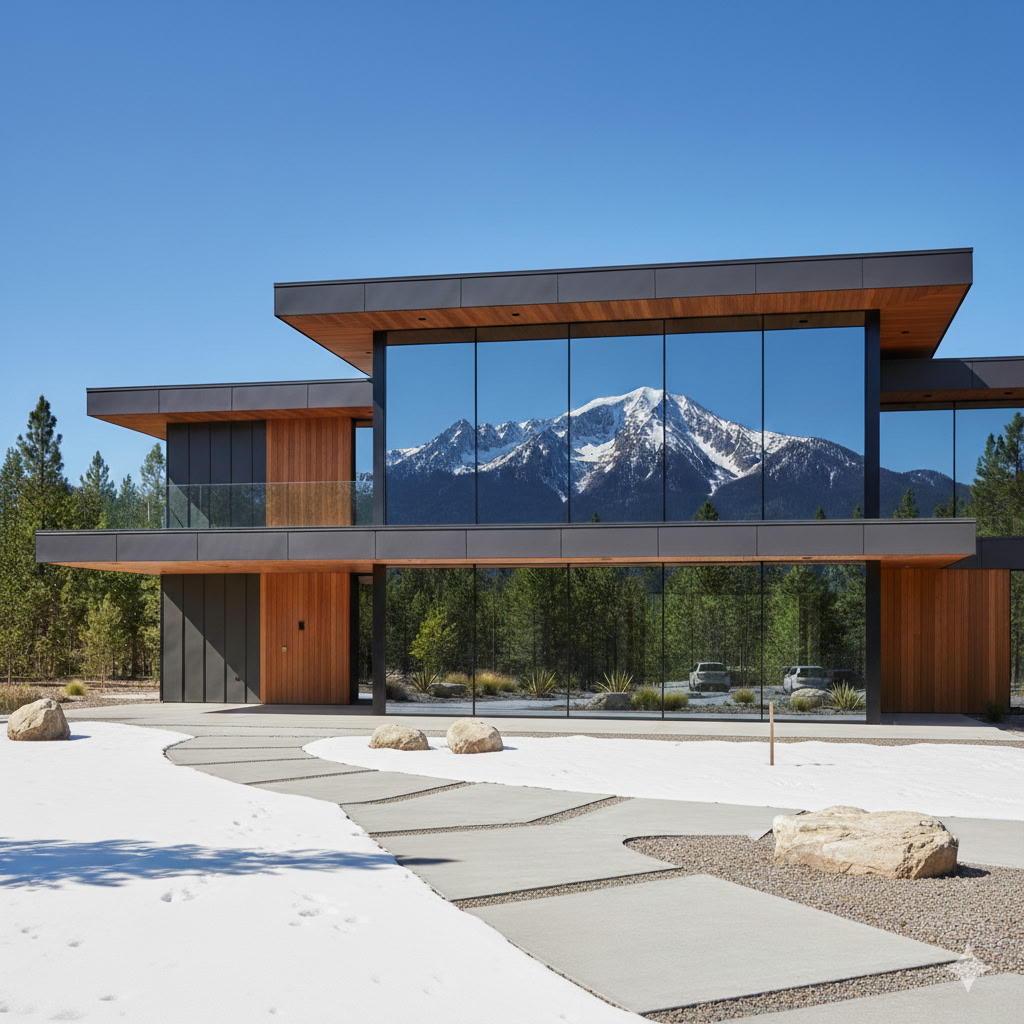
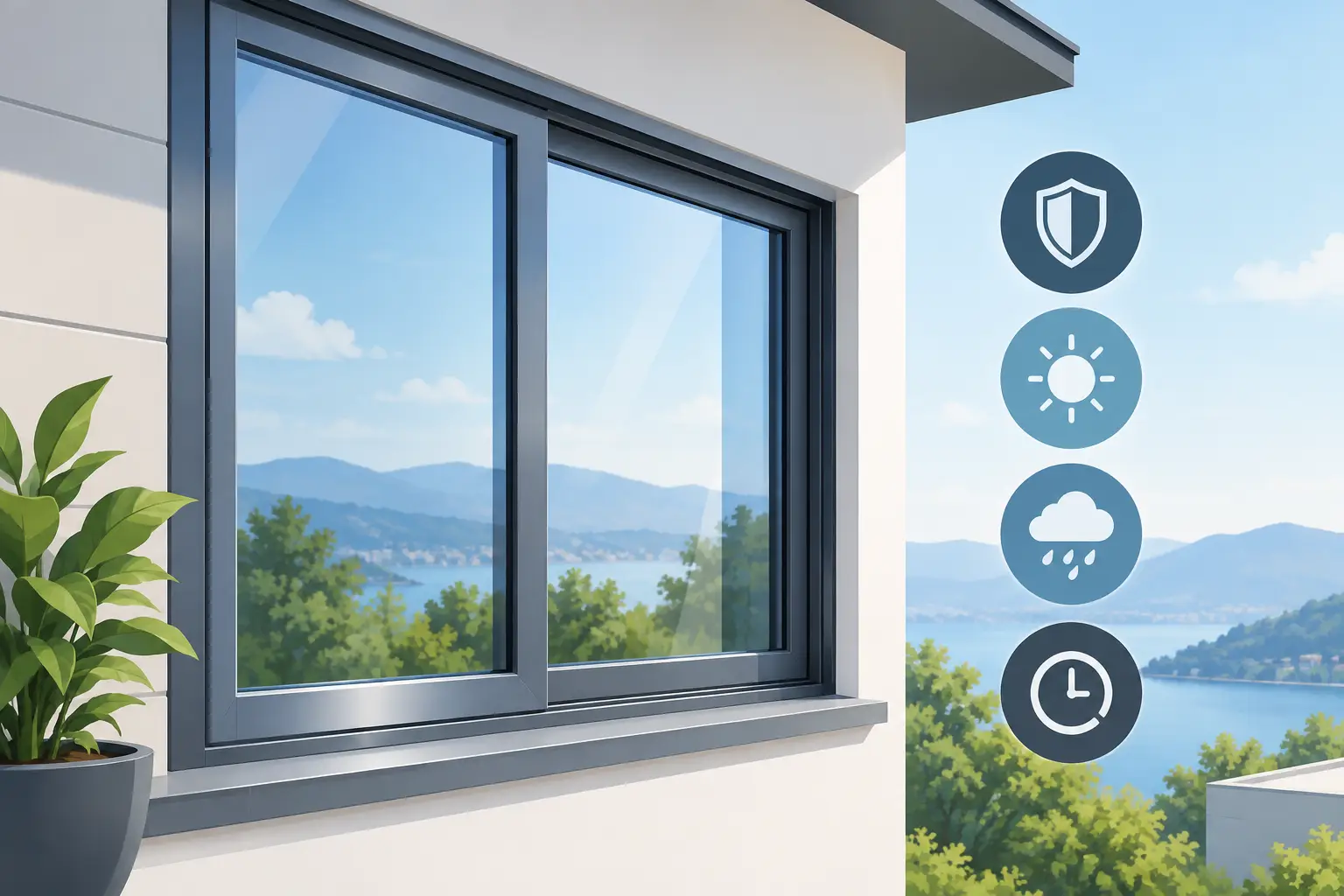
A window frame can look sharp on installation day and still become a costly weak point if it cannot handle water, movement, temperature swings, and daily use. So, are aluminum windows durable? Yes, when they are properly engineered, finished, glazed, and installed. Aluminum is one of the most dependable frame materials for projects that require slim sightlines, structural strength, and low ongoing maintenance.
That answer comes with an important qualification: not all aluminum windows are built to the same standard. The alloy, wall thickness, thermal break, coating system, hardware, glass package, and installation details determine whether a window performs well for decades or develops avoidable issues early in its service life.
Why Aluminum Windows Hold Up So Well
Aluminum is inherently strong for its weight. Compared with many other window frame materials, it can support larger glass panels with narrower frame profiles. That makes it a practical choice for contemporary homes, multifamily buildings, storefronts, offices, and any project where daylight and clean architectural lines are priorities.
Unlike wood, aluminum does not rot, swell, split, or become vulnerable to termites. It also does not absorb moisture, which helps it maintain its shape through wet seasons and repeated freeze-thaw cycles. A stable frame helps preserve proper operation of the sash, weatherstripping, locks, and glazing over time.
The material also performs well under UV exposure. Quality aluminum frames do not become brittle from sunlight the way some lower-grade plastics can. For elevations with strong sun exposure, that stability is a meaningful long-term advantage.
Aluminum windows are also well suited to high-use applications. In commercial entries, multifamily units, and busy residential openings, frames and hardware must tolerate frequent operation without excessive flexing. The frame’s rigidity supports reliable function when the system is correctly specified for the opening size and wind-load requirements.
Are Aluminum Windows Durable in Harsh Weather?
Aluminum windows can perform exceptionally well in rain, snow, heat, wind, and humidity, but weather resistance depends on the complete system, not the frame alone. Water management channels, gaskets, corner construction, glazing seals, drainage paths, and installation flashing all matter.
In high-wind areas, aluminum’s strength can be especially valuable. Stronger frames help support larger insulating glass units and resist deflection under wind pressure. Excessive deflection can compromise seals and create air or water infiltration concerns, which is why sizing and performance ratings should be matched to the building location and exposure.
Aluminum itself does not rust, but it can corrode under certain conditions. Coastal environments, industrial air, standing water, and contact with dissimilar metals can accelerate surface deterioration if the window does not have an appropriate protective finish. This does not make aluminum a poor coastal choice. It means coastal projects need marine-appropriate coatings, proper drainage, compatible fasteners, and periodic cleaning to remove salt deposits.
A high-quality powder-coated or factory-applied finish is not simply a color decision. It is a protective layer that helps the frame resist fading, chalking, staining, and corrosion. Dark colors, custom colors, and metallic finishes can all perform well when they are specified with a coating system suited to the exposure conditions.
Thermal Breaks Matter in Cold and Hot Climates
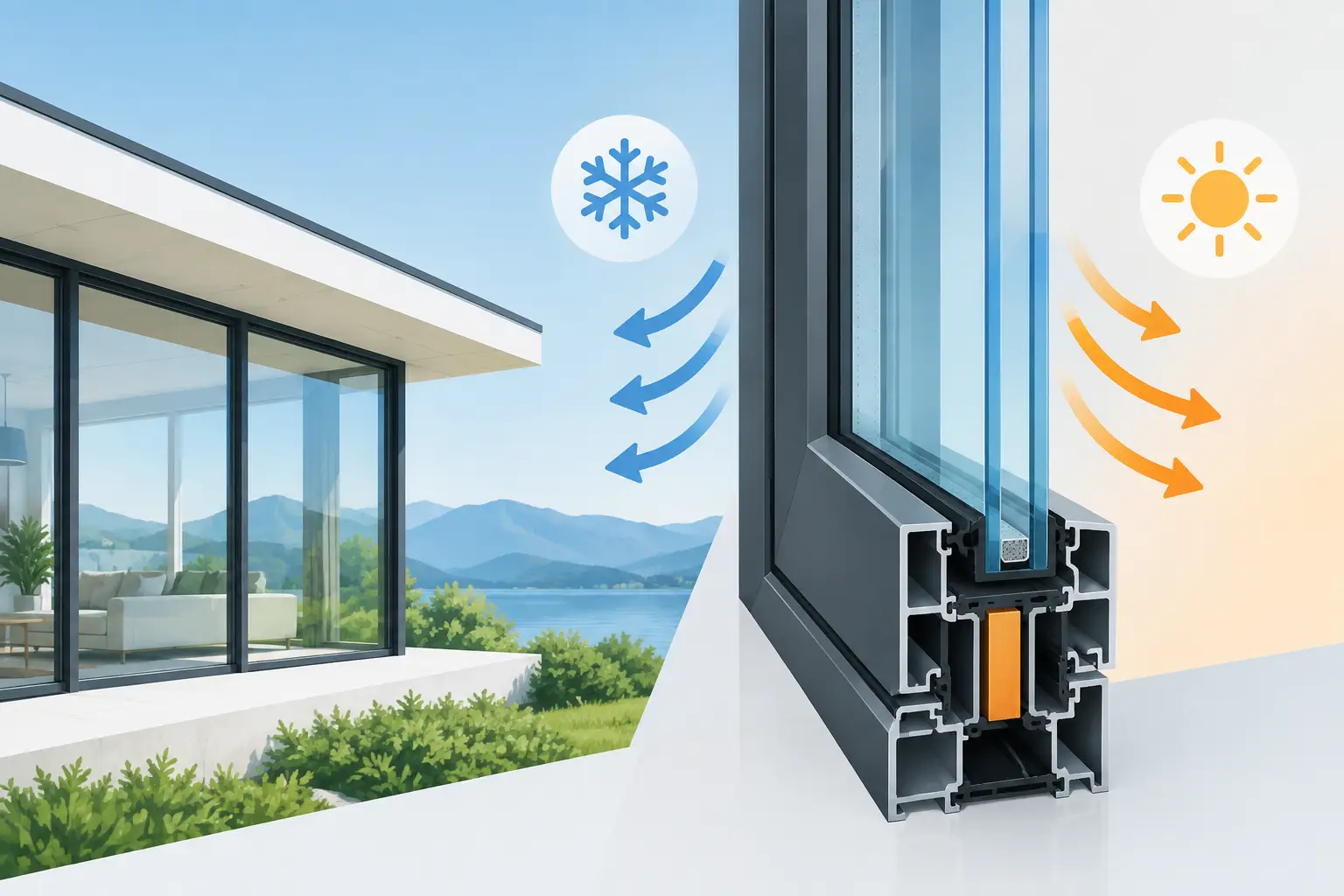
The main performance consideration with aluminum is thermal conductivity. Aluminum transfers heat more readily than wood, vinyl, or fiberglass. Without a thermal break, the frame can contribute to heat loss in winter, heat gain in summer, and interior condensation when exterior temperatures are low.
Thermally broken aluminum windows address this issue by separating the interior and exterior aluminum sections with an insulating material. The thermal break reduces heat transfer through the frame and improves overall energy performance. For most residential projects, commercial façades, and conditioned spaces in North America, thermally broken frames should be a baseline expectation rather than an upgrade to overlook.
The glass package remains equally important. Low-E coatings, insulated glass units, appropriate gas fills, and glass thickness should be selected alongside the frame. A durable aluminum window with poorly matched glass may still fall short on comfort, condensation resistance, or energy targets.
What Determines Aluminum Window Service Life?
A well-made aluminum window can provide decades of service, but service life is not determined by aluminum alone. The following specifications have the largest effect on long-term results.
Frame Construction and Wall Thickness
Heavier-duty extrusions generally provide greater rigidity and better resistance to deformation. This is particularly relevant for oversized windows, sliding systems, commercial applications, and openings exposed to high wind loads. Thin, lightly built frames may be adequate for limited applications, but they should not be used as a substitute for a properly engineered system.
Corner joinery also deserves attention. Strong mechanical connections, sealed corners, and well-designed drainage paths help prevent water intrusion and maintain squareness. A window can have an attractive finish and still perform poorly if its corner construction is weak.
Finish Quality and Maintenance
Factory-finished aluminum is low maintenance, not maintenance-free. Routine cleaning with mild soap, water, and a soft cloth removes dirt, pollutants, and salt residue before they affect the finish. Abrasive pads, harsh solvents, and aggressive cleaners should be avoided unless the manufacturer specifically approves them.
Owners should inspect frames periodically for scratched coatings, clogged weep holes, failed sealant, and signs of corrosion around hardware or fasteners. Addressing a small issue early is far less expensive than waiting for moisture to reach surrounding wall materials.
Hardware and Weatherseals
The operating hardware often wears before the aluminum frame does. Rollers, hinges, handles, locks, gaskets, and weatherstripping are moving or compressible components, so they require occasional adjustment or replacement during the life of the window.
For this reason, contractors and owners should evaluate the whole assembly. Hardware should be rated for the sash weight and expected use, while replacement parts should be reasonably available. A durable frame offers little value if a large operable panel is paired with undersized rollers or low-quality locking components.
Correct Installation
Even premium windows can fail if installation is not aligned with the wall system. The opening must be properly prepared, the frame must be level and square, fasteners must be correctly placed, and flashing must direct water outward. Insulation and air sealing around the perimeter should support the intended performance without distorting the frame.
Installation details become more demanding with masonry, rainscreen walls, deep exterior cladding, and complex façade transitions. Coordination between the window supplier, installer, architect, and envelope trades protects the investment in a high-performance system.
Aluminum Compared With Other Window Frame Materials
Aluminum is not automatically the right choice for every project. Vinyl windows are often less expensive and can offer strong thermal performance, but they may have broader frame profiles and less structural capacity for large openings. Wood offers a traditional appearance and natural insulation, yet it requires more maintenance and is more vulnerable to moisture-related deterioration.
Fiberglass provides strong thermal performance and dimensional stability, but it can carry a higher initial cost and may offer fewer profile or finish options depending on the manufacturer. Aluminum’s strongest position is where durability, narrow profiles, large glass areas, custom dimensions, and architectural finish options are major decision factors.
For premium residential and commercial work, aluminum can offer an effective balance of design flexibility and long-term reliability. It is especially useful where windows must align visually with aluminum doors, curtain wall systems, exterior panels, or contemporary façade materials.
Choosing a Durable Aluminum Window System
Before selecting a system, confirm the required performance for the specific project rather than relying on appearance alone. Opening size, building height, local climate, coastal exposure, orientation, glazing requirements, and operation type all influence the correct specification.
Ask for documentation covering structural performance, air infiltration, water resistance, thermal values, finish warranty, glass configuration, and hardware options. For custom projects, verify lead times and confirm that mullions, reinforcements, drainage details, and installation accessories are designed for the final dimensions.
First Class Building Products helps project teams evaluate aluminum window and door solutions in the context of the full exterior envelope, including finish coordination, glass selection, and performance requirements. The goal is not simply to select an attractive frame. It is to specify a system that will continue to operate, protect, and complement the building for years.
Aluminum windows are a durable choice when the system is matched to the project instead of chosen on price alone. Select a thermally broken, properly finished frame with quality hardware, appropriate glazing, and disciplined installation, and the window can become one of the most reliable parts of the building envelope.

Leave a Reply