


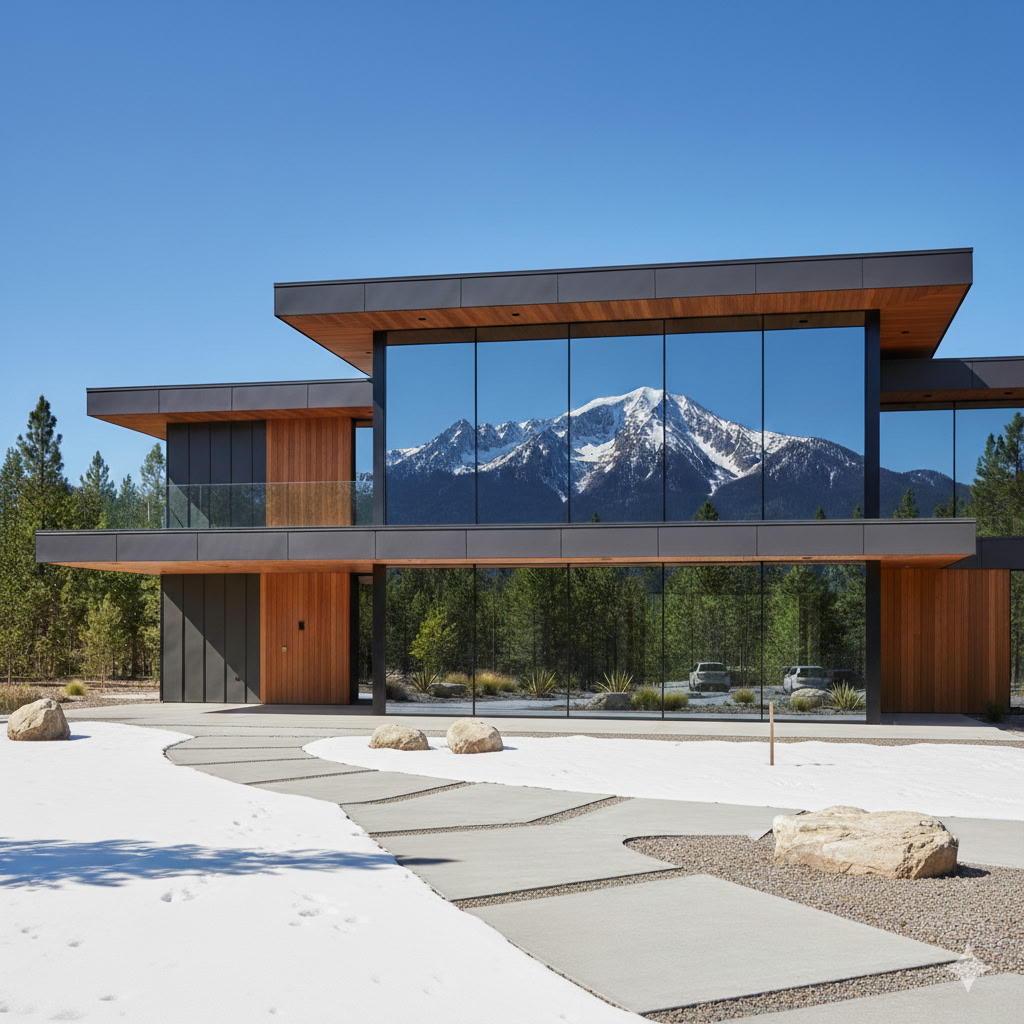
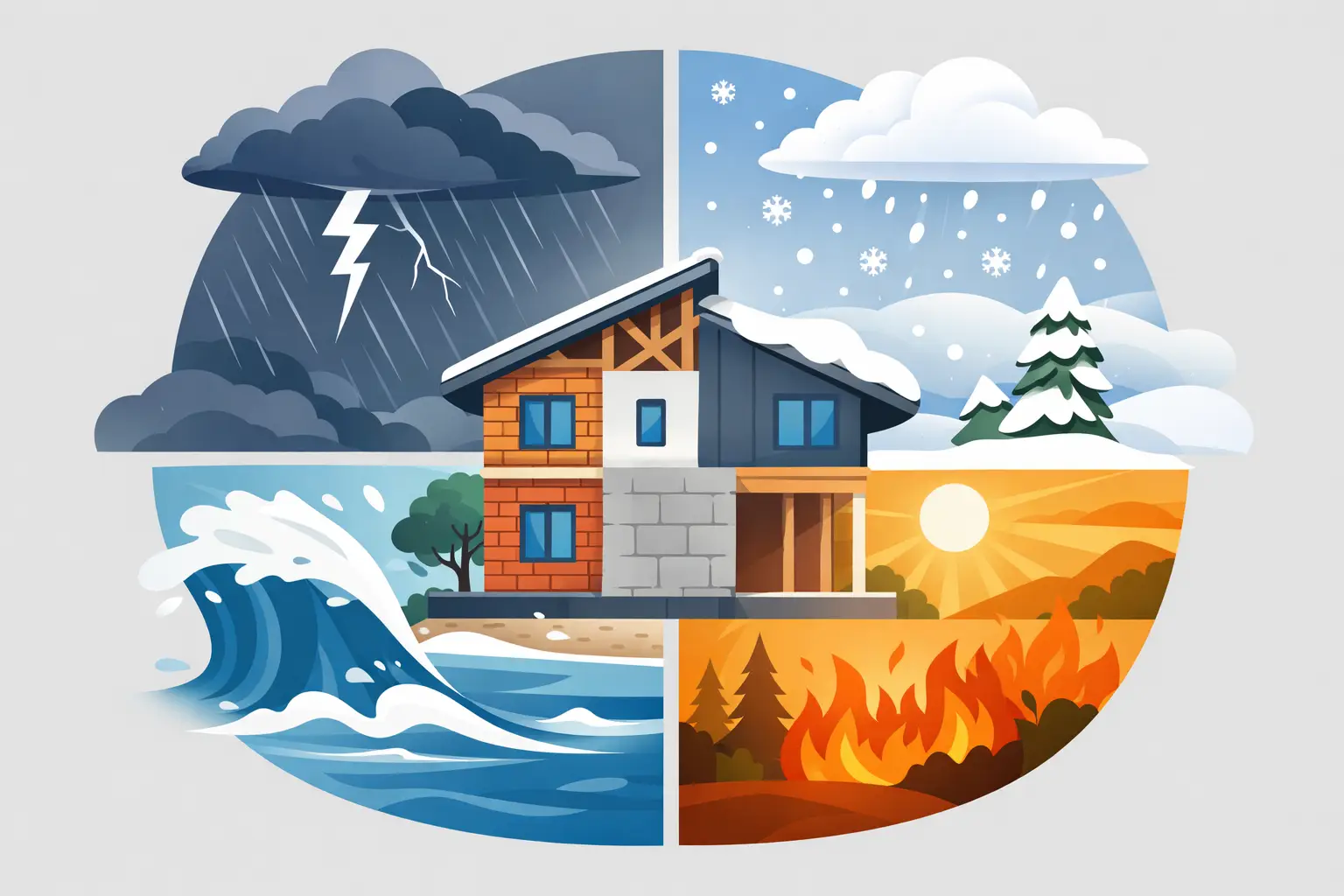
A wall system can look excellent on day one and still become a maintenance problem after a few hard winters, wind-driven storms, or years of UV exposure. When builders and owners ask what is the most weather resistant building material, the honest answer is not a single product – it is the material that best matches the climate, exposure, assembly design, and maintenance expectations of the project.
For most exterior applications, aluminum-based cladding systems rank among the strongest overall performers because they resist moisture, corrosion, pests, and UV damage while staying dimensionally stable. But that does not mean aluminum is always the right answer everywhere. Concrete, natural stone, fiber cement, brick, and engineered composites each perform well under certain conditions, and each comes with trade-offs that matter during design, installation, and long-term ownership.
What Is the Most Weather Resistant Building Material for Exterior Use?
If the goal is broad weather resistance across a wide range of North American climates, non-combustible metal panel systems, especially aluminum and high-quality aluminum composite materials, are often the leading choice for exterior envelopes. They handle rain, freeze-thaw cycles, intense sun, and temperature swings with less maintenance than many traditional cladding materials.
That advantage comes from a combination of properties. Aluminum does not absorb water like masonry products can. It will not rot like wood. It is not vulnerable to termites or fungal decay. With the right coating system, it also holds color well and resists surface breakdown in coastal, humid, and high-UV environments.
Still, weather resistance is not only about the face material. A high-performance exterior depends on the full assembly – attachment system, drainage plane, air barrier, insulation strategy, sealants, and detailing around openings. Even the best panel can underperform if water management is poor.
Why There Is No Single Universal Winner
A material that performs well in Arizona may not be the best fit for coastal Florida or a mountain project with repeated freeze-thaw exposure. Weather resistance is really a set of performance questions.
How does the material handle prolonged moisture? Does it expand and contract significantly? Can it resist hail, salt air, wind load, and UV breakdown? How much upkeep will it need after five, ten, or twenty years? A product that scores well in one category may be less impressive in another.
For example, concrete offers excellent impact resistance and strength, but it can crack and absorb moisture if not designed and finished properly. Natural stone is highly durable, but it is heavier, more expensive, and more demanding structurally. Fiber cement resists rot and insects, but it can be more vulnerable at cut edges and requires careful installation. The strongest material on paper is not always the most practical material on the job.
How Top Materials Compare
Aluminum and ACM Panels
For many commercial facades and premium residential exteriors, aluminum panels and ACM panels offer one of the best balances of durability, appearance, and low maintenance. They are especially effective in regions with heavy rain, high humidity, strong sun, and sharp temperature fluctuations.
Their main strengths are corrosion resistance, low water absorption, and finish durability. They also support clean modern design, custom sizes, and a wide range of colors and textures. That matters for projects where performance and appearance carry equal weight.
The trade-off is that panel systems need precise fabrication and installation. Oil canning, improper fastening, or poor perimeter detailing can affect results. In severe impact environments, some assemblies may also need thicker gauges or reinforced designs.
Concrete
Concrete is one of the most durable structural and enclosure materials available when properly engineered. It performs well against wind, fire, and prolonged exposure, and it can last for decades in demanding environments.
Its weakness is moisture management over time. Concrete is porous, and in climates with repeated freezing and thawing, trapped water can contribute to cracking or surface damage. Reinforced concrete also depends on protecting internal steel from corrosion. In harsh environments, especially those with salts or marine exposure, detailing and mix design become critical.
Natural Stone
Stone has a long track record in severe weather and can remain stable for generations. Dense stones such as granite are particularly resistant to water, UV exposure, and physical wear.
The downside is cost, weight, and installation complexity. Not every project can support the structural demands of a stone facade, and not every budget can justify it. Some stone types are also more porous than others, so performance depends heavily on species selection.
Brick
Brick performs reliably in many climates and remains a proven option for moisture resistance when paired with proper cavity wall construction. It handles UV exposure well and usually ages with minimal visual decline.
Its limitations come from mortar joints, water infiltration risks, and freeze-thaw sensitivity if lower-quality units are used. Brick itself can last a long time, but the wall still needs maintenance at joints and flashings.
Fiber Cement
Fiber cement siding and panels are widely used because they offer a strong mix of weather resistance, fire resistance, and lower maintenance than wood. They do not rot or attract insects, and they hold up well in wet climates.
That said, fiber cement is heavier than some alternatives and must be installed carefully to avoid moisture intrusion at joints, penetrations, and cut edges. It is durable, but less forgiving than metal when detailing is inconsistent.
Engineered Composites and WPC
Wood-plastic composite products, especially in decking and certain cladding applications, are designed to resist moisture, insects, and surface wear better than natural wood. In the right application, they reduce maintenance and hold up well in wet conditions.
They are not a universal replacement for every exterior material, though. Performance varies by formulation, manufacturing quality, and exposure level. In high-heat environments, some composites can experience more movement or surface temperature buildup than metal or masonry products.
The Best Material by Climate
Coastal and Salt-Air Environments
In coastal areas, corrosion resistance matters more than almost anything else. Aluminum cladding systems with high-performance finishes are often a strong choice because they resist rust and hold up well against humid, salt-laden air. Some steels can struggle here unless they are heavily protected.
Freeze-Thaw Climates
In northern regions, the main threat is water entering the material or assembly and then expanding during freeze cycles. Materials with low water absorption, such as aluminum panels, generally have an advantage. Masonry products can still work well, but they need quality control, drainage, and detailing that account for repeated freezing.
Hot, High-UV Regions
In desert and sun-intense climates, UV stability and thermal movement are key. Metal panel systems with premium coatings perform well here, as do certain masonry materials. Lower-grade plastics and finishes tend to show wear faster.
Storm and Wind-Prone Areas
In hurricane or high-wind regions, the conversation shifts from material alone to tested system performance. Fasteners, subframing, impact ratings, and attachment methods matter as much as the visible finish. A weather-resistant panel is only as good as the engineered assembly behind it.
What Builders and Owners Should Prioritize
If the project calls for the longest service life with the fewest weather-related issues, focus less on finding the single toughest material and more on selecting a complete exterior solution. Start with expected exposure, then evaluate water resistance, corrosion resistance, movement, finish durability, and maintenance needs.
For many projects, premium aluminum panels, fluted panels, and ACM systems stand out because they combine strong environmental performance with design flexibility. That is especially valuable when owners want a refined exterior without the upkeep that comes with wood or the structural demands that come with stone. At First Class Building Products, that balance of durability and design is exactly why these systems continue to gain ground across commercial and residential applications.
So, What Is the Most Weather Resistant Building Material?
If you need one practical answer, aluminum is often the most weather-resistant building material for modern exterior cladding. It performs across a wide range of climates, resists moisture and corrosion, requires relatively low maintenance, and supports durable factory finishes that hold up over time.
But the better professional answer is this: the most weather-resistant material is the one specified for the actual climate, installed as part of a well-detailed system, and chosen with long-term maintenance in mind. A premium material can save years of repairs, repainting, and water-related problems, but only if the entire assembly is built to perform.
If you are weighing options for a facade, envelope upgrade, or premium exterior finish, start with exposure and expected service life. The right material should not just survive the weather. It should keep the building looking sharp and performing the way it was intended long after the project is complete.
Leave a Reply