


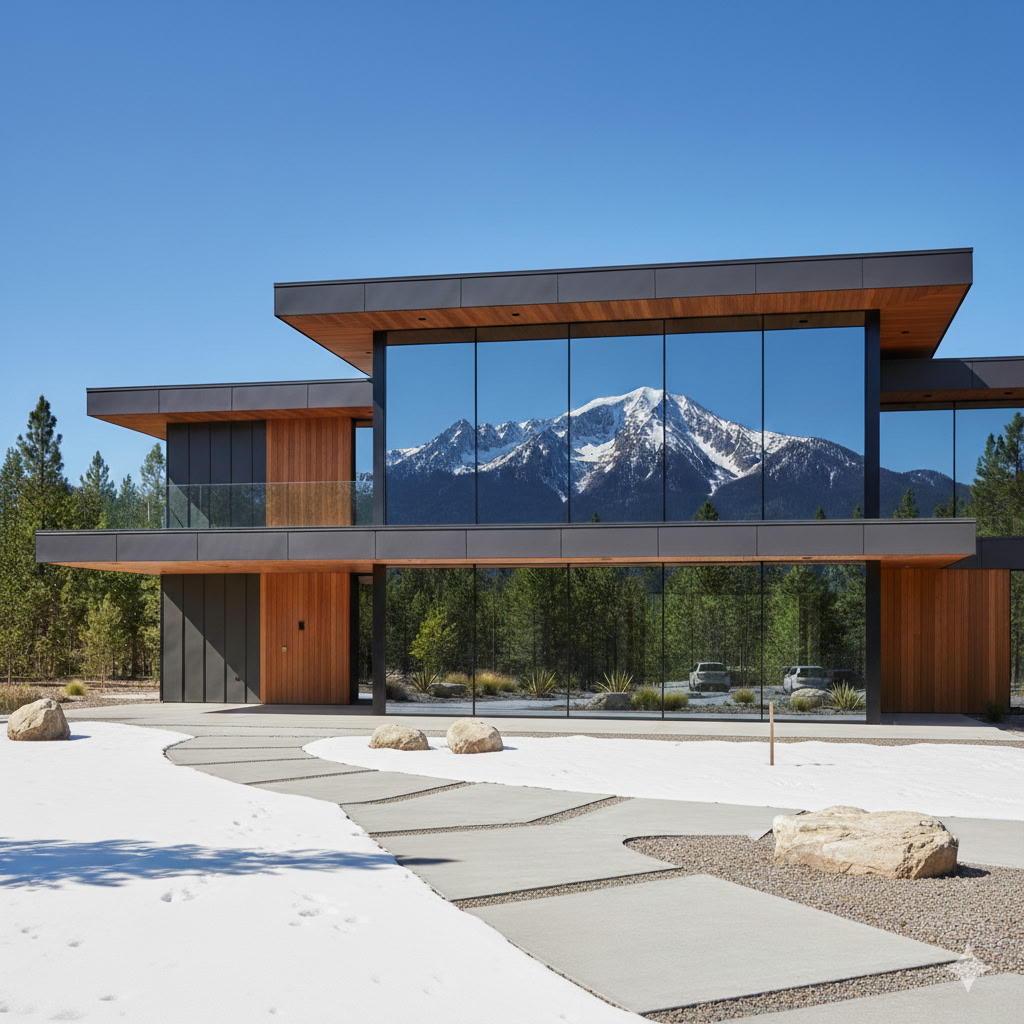
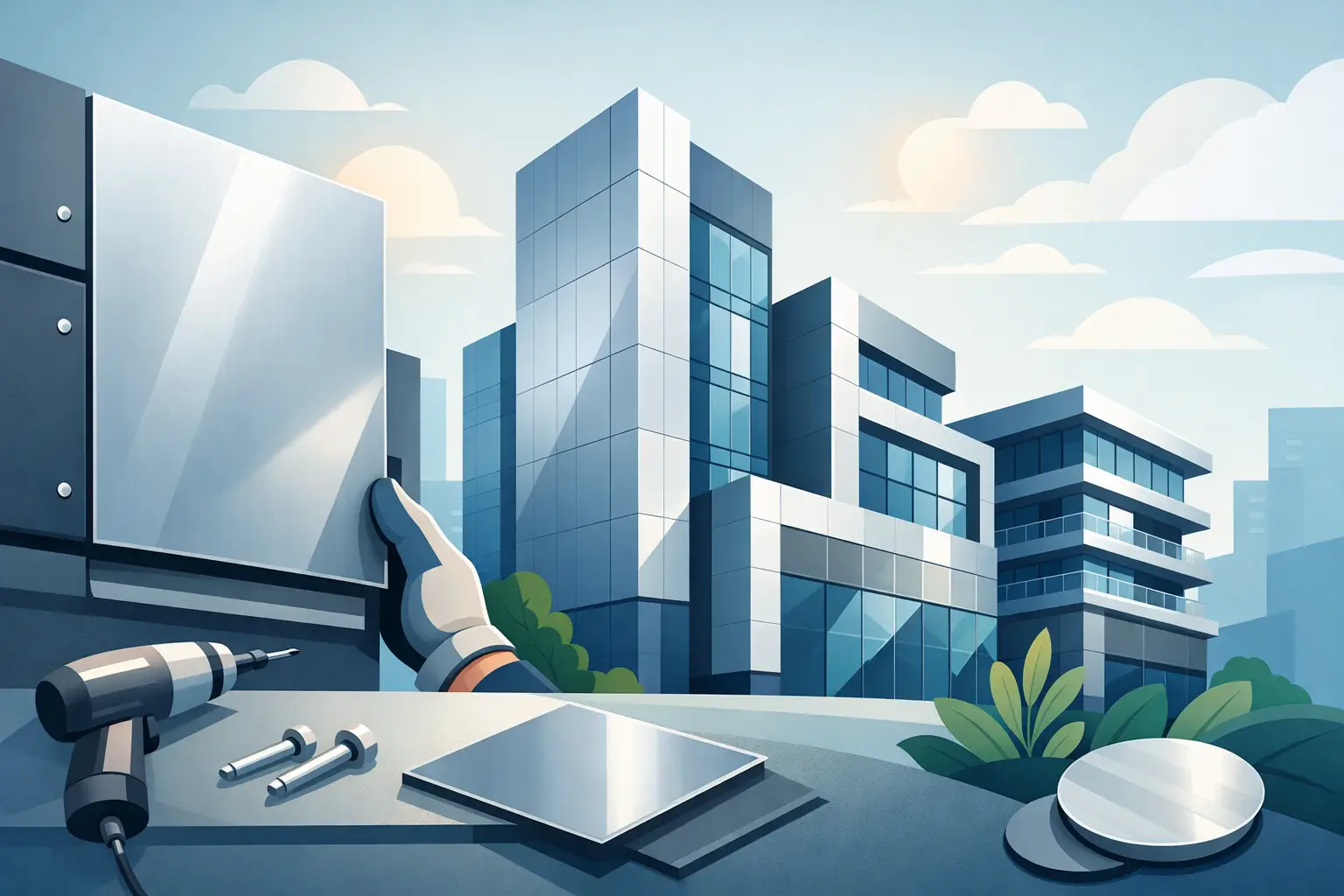
A facade has to do more than look finished. It must manage rain, sun exposure, temperature swings, wind, and daily wear while supporting the architectural character of the property. The benefits of aluminum cladding make it a practical choice for builders, architects, developers, and homeowners who need an exterior finish that performs over time without creating an unnecessary maintenance burden.
Aluminum cladding can be specified as solid aluminum panels, aluminum composite material (ACM) panels, and formed systems in a wide range of profiles and finishes. The right option depends on the building type, local code requirements, exposure conditions, design intent, and the performance of the complete wall assembly. When specified and installed correctly, it provides a durable, refined exterior solution for both new construction and renovations.
Why Aluminum Cladding Performs So Well
Aluminum is naturally resistant to corrosion, which gives it a clear advantage in exterior applications. Unlike untreated steel, it does not rust when exposed to moisture. Quality coated aluminum panels are designed to retain their appearance through rain, humidity, snow, and UV exposure, making them suitable for many North American climates.
That does not mean every aluminum product performs identically. Panel thickness, alloy, coating quality, fastening method, and edge detailing all affect long-term results. A properly engineered system with compatible trims, flashings, and fasteners will protect the building far better than a panel selected only for appearance.
Strong weather resistance
Exterior finishes are repeatedly tested by water intrusion, wind-driven rain, expansion and contraction, and direct sunlight. Aluminum cladding helps create a protective outer layer that sheds water and shields the wall assembly behind it. In rainscreen applications, the cavity behind the panels can also support drainage and ventilation, helping moisture move out of the wall system rather than becoming trapped.
This is particularly valuable for commercial facades, multifamily properties, coastal projects, and homes exposed to heavy seasonal weather. Proper detailing remains essential. Cladding is not a substitute for a complete weather-resistive barrier, flashing plan, and correctly designed drainage plane.
Low maintenance over the life of the building
One of the most practical benefits of aluminum cladding is reduced upkeep. It does not require routine painting, staining, or sealing in the way wood-based exterior materials often do. Periodic cleaning with water and a mild detergent is usually enough to remove dirt, airborne residue, and surface buildup.
For property owners and facility managers, that can lower recurring maintenance demands and reduce disruption to tenants or occupants. Dark colors and heavily textured finishes may show dust differently than lighter finishes, while buildings near saltwater, industrial areas, or busy roads may need more frequent cleaning. Even so, aluminum generally offers a manageable maintenance profile when compared with many painted or organic exterior materials.
A favorable strength-to-weight ratio
Aluminum panels provide useful strength without the weight associated with masonry, stone, or many heavy facade systems. Lower panel weight can make handling, transportation, and installation more efficient, especially on upper stories or renovation projects where structural loading is a concern.
This does not eliminate the need for proper engineering. The subframing, anchors, attachment points, and wind-load design must be matched to the project conditions. But a lightweight cladding system can give designers more flexibility when updating an existing structure or creating large-format exterior surfaces.
Design Flexibility Without Sacrificing Performance
Aluminum cladding is not limited to a single visual style. It can support clean contemporary facades, warm wood-look elevations, industrial metal profiles, bold commercial branding, and restrained residential details. Panels may be fabricated in custom sizes and paired with reveals, trims, perforations, folded edges, or dimensional forms to create a more intentional facade.
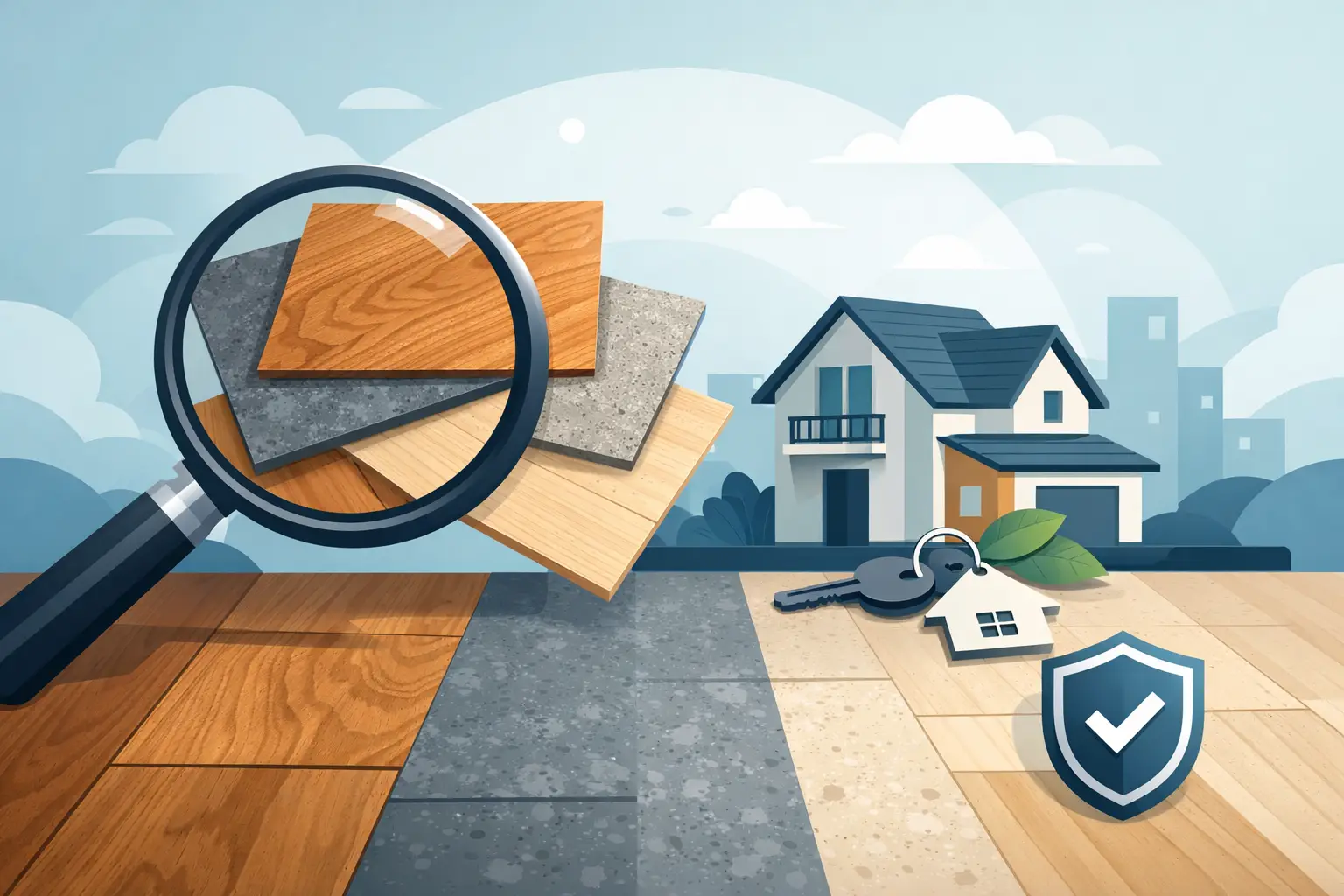
Color and finish selection also have functional implications. Lighter finishes can reduce visible heat buildup and may complement heat-conscious design goals. Matte, metallic, brushed, wood-grain, and textured finishes allow project teams to achieve a specific look without relying on materials that may require greater maintenance.
Suitable for exterior and interior applications
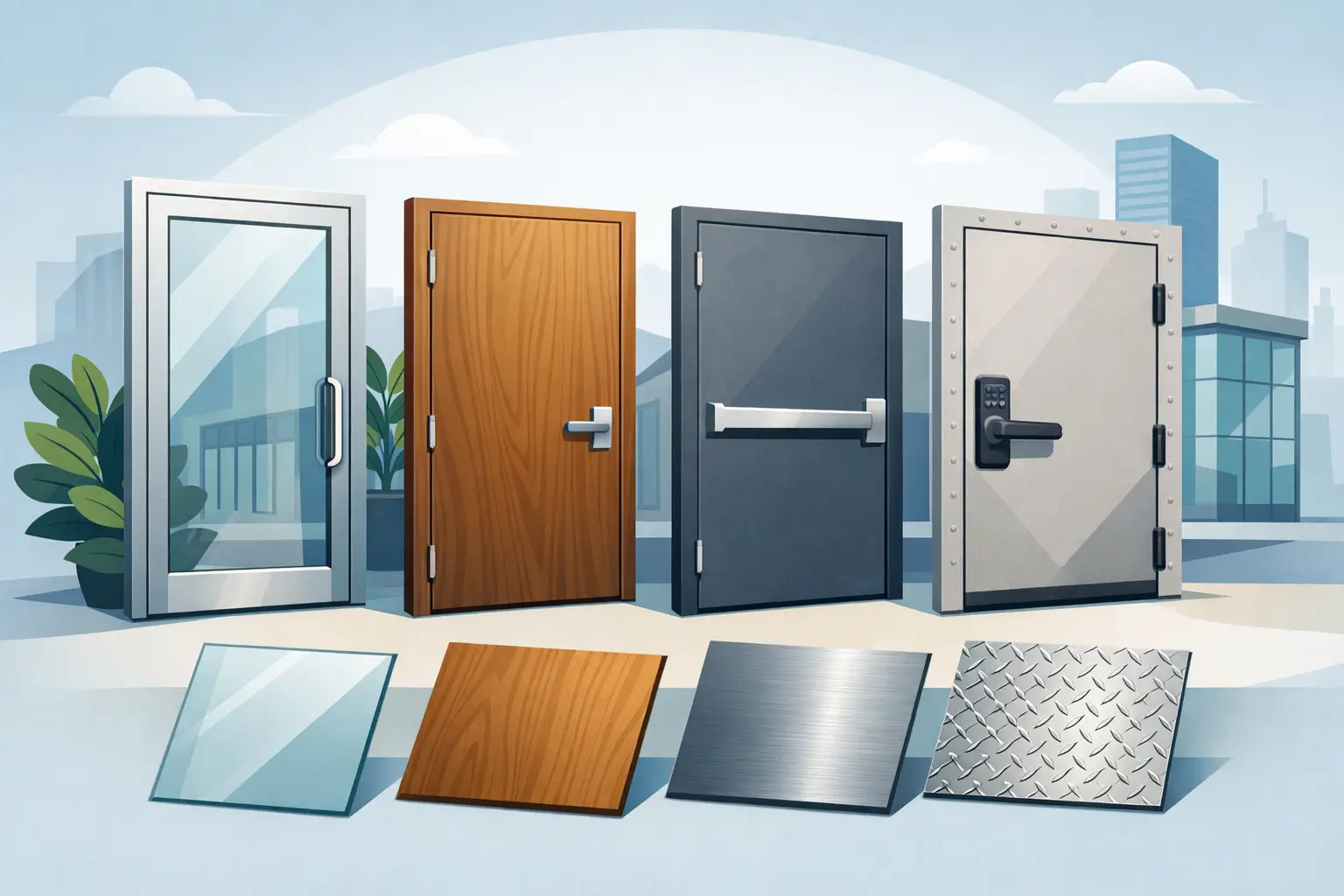
Although aluminum is often associated with exterior facades, it can also be used for interior feature walls, entry areas, ceilings, columns, retail environments, and common spaces. Its crisp lines and consistent finish make it useful where a project needs a durable architectural surface with a modern appearance.
For exterior work, aluminum cladding is commonly used on single-family homes, mixed-use developments, offices, retail centers, healthcare facilities, hospitality properties, and multifamily buildings. It can cover a full elevation or serve as an accent material around entrances, upper levels, balconies, storefronts, and architectural projections.
Energy Performance Depends on the Full Wall Assembly
Aluminum itself conducts heat, so it should not be treated as insulation. The energy-related value of aluminum cladding comes from its role within a properly designed exterior wall system. A ventilated rainscreen cavity, continuous insulation, air barrier, thermal breaks, and well-detailed transitions can work together to improve moisture management and support the building’s thermal performance.
This distinction matters during specification. A high-quality panel alone cannot correct a poorly designed wall assembly. Project teams should evaluate insulation continuity, attachment strategy, thermal bridging, air sealing, and glazing interfaces early in the design process.
The finish can also influence solar exposure. In high-sun locations, color selection and facade orientation deserve attention. Architects and builders should balance the desired appearance with local climate conditions, building use, and the performance objectives of the enclosure.
Sustainability and Material Efficiency
Aluminum is widely valued for its recyclability. It can be recycled repeatedly, and recycled aluminum requires significantly less energy to process than primary aluminum. For projects pursuing material-efficiency goals, this can be a meaningful consideration.
Long service life also matters. A cladding material that remains functional and visually consistent for years can reduce replacement cycles and the waste associated with frequent refinishing or repair. Sustainability claims should still be reviewed at the product level. Recycled content, coatings, manufacturing practices, regional availability, and end-of-life options vary by manufacturer and panel system.
Important Specification Considerations
The best results come from treating cladding as part of a coordinated system, not as a finish selected at the end of a project. Before choosing aluminum panels, confirm the required fire performance, wind-load resistance, panel attachment method, substrate condition, drainage strategy, and code requirements for the building type and location.
Fire compliance deserves particular attention when using composite panels. Core composition, tested assembly requirements, building height, occupancy, and jurisdictional rules can all affect what is appropriate. Contractors and design teams should verify that the selected system meets applicable code and project specifications rather than assuming all aluminum-faced panels have the same fire characteristics.
Panel layout should also be decided early. Joint widths, module dimensions, corner conditions, window returns, soffits, and termination details directly affect both appearance and installation efficiency. Custom colors, sizes, and finishes can create a better visual result, but they may require additional lead time and careful coordination with fabrication drawings.
Choosing the Right Aluminum Cladding System
Solid aluminum panels can be a strong choice where durability, formed details, and a substantial metal finish are priorities. ACM panels can offer flatness and design flexibility at a lighter weight, provided the specified product is appropriate for the project and code conditions. Profiled or fluted aluminum panels add depth and shadow lines that work well on contemporary residential and commercial elevations.
The right selection is rarely just a question of price per panel. Consider the complete installed value: expected service life, maintenance demands, fabrication needs, installation complexity, weather exposure, and the visual standard the project must meet. A lower initial material cost can become less attractive if the system creates detailing challenges or requires more frequent maintenance later.
First Class Building Products helps project teams evaluate aluminum panel options alongside other exterior materials, with custom colors, sizes, and finishes available for designs that need more than an off-the-shelf solution.
Make the Cladding Decision Early
Aluminum cladding delivers the best value when it is integrated into the facade plan from the beginning. Bring the panel layout, wall assembly, openings, transitions, and code requirements into the same conversation early. That approach gives the project team more control over appearance, installation, weather protection, and long-term performance before those decisions become expensive field changes.

Leave a Reply