


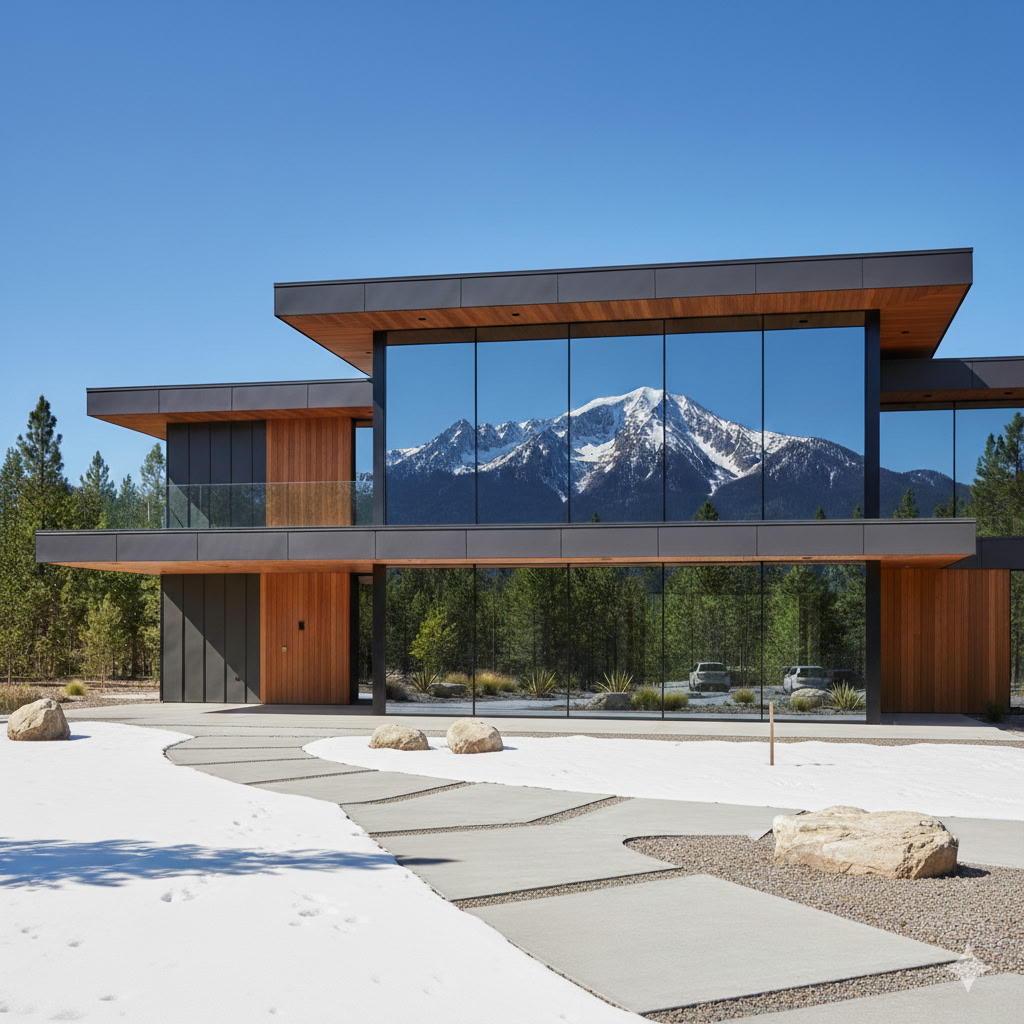

A siding decision made on purchase price alone can become an expensive maintenance problem within a few seasons. The best low maintenance siding is not simply the material that never needs attention. It is the material that holds its color, resists moisture and impact, and requires the least predictable upkeep for the building’s climate, design, and exposure conditions.
For builders, developers, and property owners, that distinction matters. A low-maintenance exterior reduces repainting cycles, limits repair calls, protects the wall assembly, and helps a project retain its finished appearance over time. The right option depends on whether the priority is a traditional residential façade, a contemporary commercial elevation, coastal durability, fire performance, or design flexibility.
What Low Maintenance Actually Means for Siding
No exterior cladding is maintenance-free. Dirt accumulates, sealants age, flashing requires inspection, and severe weather can damage almost any material. Low maintenance means the siding itself does not routinely require painting, staining, sealing, or frequent replacement to perform as intended.
The strongest choices usually share several characteristics: stable color finishes, low water absorption, resistance to insects and rot, dependable fastening or attachment systems, and surfaces that can be cleaned with mild detergent and water. Material performance is only part of the equation. Correct installation details, including drainage, ventilation, flashing, and clearance from grade, are equally important to long-term results.
A product can be highly durable but still create maintenance demands if it is installed in a way that traps water or if its finish is poorly matched to the site. This is why siding selection should be treated as an exterior-envelope decision, not just a color and texture decision.
Best Low Maintenance Siding Materials Compared
Aluminum Composite Material Panels
Aluminum composite material, commonly called ACM, is one of the most effective low-maintenance choices for modern residential and commercial exteriors. These panels use finished aluminum skins bonded to a core, producing a flat, refined surface with excellent design consistency. They are often installed as part of a rainscreen system, which supports drainage and ventilation behind the cladding.
ACM panels do not rot, attract insects, or require routine painting. Quality factory-applied finishes provide strong color retention and can be cleaned periodically to remove surface dirt and environmental buildup. They are particularly well suited to projects seeking large-format panels, custom colors, crisp reveals, wood-look finishes, or a contemporary architectural appearance.
The trade-off is that ACM is a system product, not a simple lap-siding installation. Panel layout, subframing, expansion allowances, edge details, and fire-code requirements need to be addressed early. It is also more likely to show dents from concentrated impact than fiber cement. For commercial façades, multifamily buildings, entry features, and premium homes, its low upkeep and design flexibility can justify the higher initial investment.
Fiber Cement Siding
Fiber cement remains a practical choice for projects that need the familiar look of lap siding, shingles, or board-and-batten without the rot and insect concerns associated with natural wood. It performs well in many climates, is noncombustible, and offers good resistance to wind and moisture when detailed correctly.
Its maintenance needs depend heavily on the finish. Pre-finished fiber cement can provide years of stable color performance, while field-painted boards will eventually need repainting. That makes it lower maintenance than wood, but not necessarily the lowest-maintenance option over the full service life.
Installation quality is essential. Fiber cement is heavier than vinyl or engineered wood, and improper clearances, unsealed cuts, or poor flashing can allow moisture-related problems. For homeowners or builders seeking a classic exterior profile with reliable performance, fiber cement is often a sound middle ground between appearance, cost, and upkeep.
Vinyl Siding
Vinyl siding is widely used because it is economical, lightweight, and does not need painting. Routine care usually involves washing away dirt, mildew, or pollen. It is resistant to rot and insects, which makes it a practical option for many budget-conscious residential projects.
However, vinyl has limitations that should be considered before it is specified as the best low maintenance siding for every application. Dark colors can absorb significant heat, and lower-grade products may fade, become brittle, or warp under extreme temperature exposure. Impact from hail, lawn equipment, or debris can crack panels. Its appearance and panel movement can also be less suitable for high-end architectural projects.
Vinyl is a reasonable choice when initial cost and simple maintenance are the main priorities, especially on conventional residential elevations. Selecting a thicker, higher-quality panel and using proper installation techniques will make a meaningful difference in long-term appearance.
Engineered Wood Siding
Engineered wood siding gives builders a warmer, more natural wood appearance while improving on traditional wood’s vulnerability to insects and decay. It is generally easier to cut and install than fiber cement, and many products are available in lap, panel, trim, and board-and-batten profiles.
The maintenance requirement comes down to the coating system and installation discipline. Pre-finished products can reduce painting needs, but cut edges, penetrations, and damaged areas must be protected according to manufacturer requirements. It also needs appropriate clearance from roofs, grade, and masonry to avoid prolonged moisture exposure.
For projects where authentic-looking wood character is a central design goal, engineered wood can be a good balance of appearance and maintenance. It is not the best choice where the owner wants the least possible finish-related upkeep over several decades.
Metal Siding and Aluminum Panels
Metal siding, including aluminum panels and steel profiles, offers excellent durability with minimal routine care. It does not rot, and insects cannot damage it. Factory-finished coatings are available in a wide range of colors and textures, including profiles that complement contemporary homes, agricultural buildings, retail spaces, and commercial properties.
Aluminum performs especially well in wet and coastal environments because it does not rust. Steel can provide greater impact resistance but requires appropriate protective coatings and careful attention to cut edges in corrosive environments. Both materials need periodic cleaning and inspection of fasteners, joints, and sealants, particularly on large wall systems.
Metal can be noisier during rain and may dent from hard impact depending on gauge and profile. Still, for projects prioritizing longevity, crisp lines, and weather resistance, it is one of the strongest low-maintenance exterior options.
Choose for the Building, Not Just the Material
The climate and façade design should guide the final decision. In humid or rainy regions, prioritize a drainage plane and rainscreen-compatible cladding system. In wildfire-prone areas, verify the applicable fire rating and local code requirements instead of assuming all nonwood products perform the same. In coastal locations, salt exposure makes corrosion resistance and compatible fasteners especially important.
Building height and access also affect maintenance costs. A material that only needs occasional washing may still be expensive to maintain on a multistory elevation if access requires lifts or swing stages. For these applications, durable panel systems with stable finishes and fewer exposed joints may offer a better lifecycle value than a lower-cost material that needs recurring paint work.
Appearance should not be treated as separate from performance. Dark finishes, for example, need materials and coatings designed to manage heat exposure. Deep reveals, mixed materials, and complex transitions need clear detailing so water is directed outward rather than into the wall assembly.
Installation Details That Protect a Low-Maintenance Exterior
Even premium cladding will underperform if water management is overlooked. Start with a properly integrated weather-resistive barrier, flashing at all openings and transitions, and a clear path for drainage. Where the cladding system allows it, a ventilated cavity behind the exterior finish can help manage moisture and improve drying.
Use compatible fasteners, trims, sealants, and attachment components. Mixing unapproved materials can lead to staining, corrosion, movement issues, or premature joint failure. Expansion and contraction are particularly relevant for vinyl, aluminum, and panelized systems, so installers need to follow the specified fastening and spacing requirements.
A simple maintenance plan should be provided at project closeout. It does not need to be complicated: inspect after major storms, clean surfaces as needed with approved methods, keep soil and landscaping away from the cladding, and address damaged sealants or flashings before water reaches the wall assembly.
When a Premium Panel System Makes Sense
For projects with a contemporary design direction, ACM and aluminum panel systems often deliver the strongest combination of visual control and low ongoing maintenance. Their clean geometry, custom sizing, and broad finish options allow architects and builders to create a distinct façade without accepting the repainting cycle associated with many traditional materials.
First Class Building Products helps project teams evaluate panel finishes, dimensions, and exterior applications based on the building’s design and performance requirements. Early material coordination can prevent costly field changes and support a façade that looks intentional from the first elevation to the final detail.
The best siding choice is the one that remains dependable after years of sun, rain, temperature changes, and daily use. Specify the material with the right finish, attachment system, and water-management details, and low maintenance becomes a practical long-term project advantage rather than a sales claim.
Leave a Reply