


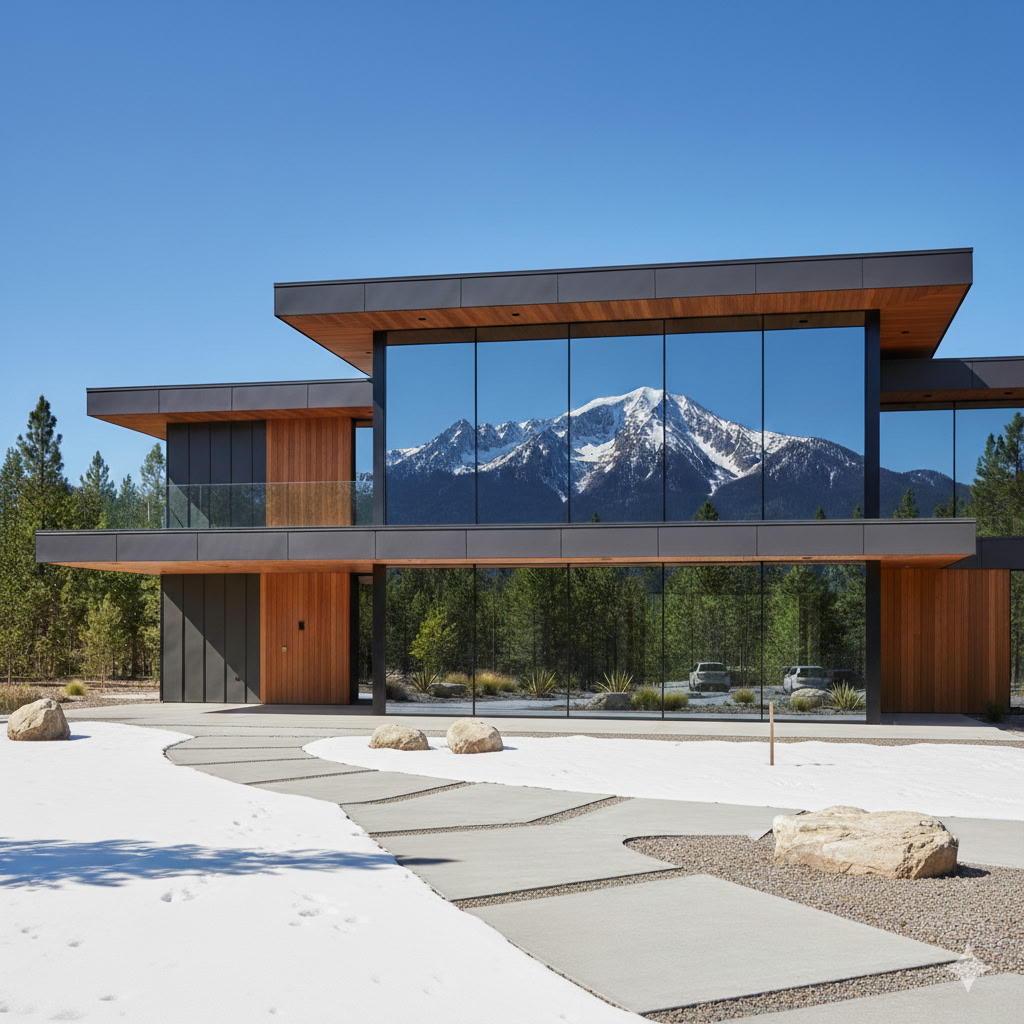

A clean elevation can fall apart on paper if the ACM package is vague. When teams ask how to specify ACM cladding, the real challenge is not picking a color or panel size. It is making sure the material, attachment system, finish, fire performance, and fabrication details all line up with the building type, code path, and long-term maintenance expectations.
ACM cladding is often treated like a simple finish selection. It is not. These panels sit at the intersection of design intent, envelope performance, fabrication tolerances, and jurisdictional requirements. A good specification protects the appearance of the project, but it also reduces substitution risk, installation disputes, and expensive field fixes.
Start with the project conditions
Before writing a product section, define what the cladding needs to do on this specific building. A low-rise retail facade, a multifamily podium, and an interior feature wall can all use ACM, but they should not be specified the same way.
Exposure is the first filter. Sun, wind, freeze-thaw cycles, salt air, pollution, and impact risk all affect panel thickness, coating choice, fastening approach, and maintenance expectations. If the project is near the coast or in a heavy weather region, that should show up in the spec as more than a general durability statement.
The second filter is code. Fire classification, height, occupancy, and wall assembly requirements can change the acceptable core and tested assembly options. This is where vague language causes the most trouble. If the design team wants ACM for a specific application, the specification should identify the required fire performance and reference the assembly criteria early, not leave it to submittal review.
How to specify ACM cladding by assembly, not just panel
One of the most common mistakes is specifying only the face material. ACM performance depends on the full system – panel composition, finish, joint design, attachment method, subframing, and interface with the weather-resistive barrier.
Start by identifying whether the ACM is part of a drained and back-ventilated rainscreen, a dry-joint screen, or a decorative non-envelope application. That distinction affects air and water management, required support components, and detailing at penetrations and transitions.
If the panel is being used on an exterior wall, the specification should make clear what is included in the ACM scope versus adjacent trades. For example, do you want the ACM supplier to provide extrusions, clips, rout-and-return fabrication, sealants at panel joints, and closure trim? Or is part of that package assigned elsewhere? Clear scope language avoids gaps that show up only after framing is complete.
Define the panel construction clearly
Not all ACM panels are equal, even when they look similar in a sample box. The specification should identify panel thickness, aluminum skin thickness, core type, finish system, and whether the panel is fabricated as flat sheet or routed-and-return cassette.
Core selection matters. For many projects, this is not a design preference but a code and risk-management issue. If fire performance is part of the project requirements, the core type should be stated in a way that aligns with the applicable code path and tested system requirements. Generic wording such as fire-rated panel is often too loose to be useful.
Skin thickness also deserves attention. A panel that performs well visually on a sheltered soffit may not be the right choice for a large exposed facade with demanding flatness expectations. Thicker skins generally offer better rigidity and finished appearance, but cost and fabrication can shift with that choice. This is one of those areas where budget, module size, and design intent need to be balanced.
Specify the finish for appearance and service life
Finish selection should be tied to both aesthetics and exposure. If the facade needs long-term color retention in a high-UV environment, the coating system should reflect that requirement. If the project includes metallics, specialty gloss levels, wood-look finishes, or custom colors, the spec should define the accepted range for color variation and any limitations on panel orientation or batch control.
This is especially important on projects with multiple elevations or phased delivery. A custom finish can be the right move for brand consistency or architectural impact, but it also requires better coordination around lead times, approval samples, and replacement material planning.
Performance language should cover more than color. Chalking, fading, gloss retention, and finish adhesion all affect long-term appearance. For owners and developers, these are not cosmetic details. They influence lifecycle cost and warranty value.
Don’t ignore system movement and tolerances
ACM looks precise because it is fabricated precisely, but the supporting structure is not always that cooperative. The specification should account for building movement, thermal expansion, substrate variation, and realistic installation tolerances.
Joint width is a good example. It affects appearance, drainage, fabrication, and movement capacity. If the design intent depends on tight, uniform reveals, that intent should be supported by realistic tolerances for framing and subgirt alignment. Otherwise, the installer absorbs the design risk in the field, and the finished facade shows it.
Flatness requirements should also be stated carefully. Large glossy panels make waviness easier to see. If the architect expects a premium appearance, the specification should tie allowable variation to panel size, viewing conditions, and fabrication method. That conversation is better handled before procurement than after the first mockup goes up.
Include attachment and subframing requirements
The panel is only as reliable as the system behind it. A solid ACM specification should identify whether the assembly uses exposed fastening, concealed fastening, cassette mounting, or another engineered method. It should also address compatible subframing materials and corrosion considerations.
In many climates, thermal and moisture management are just as important as panel attachment. Continuous insulation, clips, rails, girts, and air-water barrier interfaces need to work together. If the ACM is part of a high-performance envelope, the specification should not treat the attachment system as an afterthought.
This is also where engineering responsibility needs to be clear. Will the ACM manufacturer provide engineering for panel spans and attachment loads? Is delegated design required? What structural criteria must the system meet for wind load and deflection? These points should be written plainly so there is no confusion during shop drawing review.
Require testing and submittals that matter
If you want a specification that holds up during procurement, ask for submittals that verify real performance. Product data is basic. More useful requirements include finish samples, shop drawings, code-related test reports where applicable, and installation details showing interfaces with adjacent materials.
Mockups are worth considering on visible or technically demanding projects. They help confirm color, gloss, joint alignment, corner conditions, and attachment quality before full production starts. On custom work, mockups often save time rather than add it.
Avoid overloading the section with generic paperwork requirements that no one uses. Focus on submittals that support decision-making and reduce risk.
Address fabrication details early
A strong ACM specification should describe expected fabrication quality, corner construction, edge conditions, reveal consistency, and whether stiffeners are permitted or required. These details influence both appearance and structural behavior.
This is particularly important when custom sizes and finishes are involved. First Class Building Products, for example, works with design-driven projects where personalized colors, panel dimensions, and finish options can be part of the value. That flexibility is useful, but only when the specification gives fabricators enough direction to price and produce the system accurately.
If the project includes curved surfaces, deep returns, integration with glazing, or mixed-material transitions, those conditions should be identified in the spec and reflected in the drawing set. ACM is versatile, but not every detail is equally efficient or visually forgiving.
Write for coordination, not just compliance
The best answer to how to specify ACM cladding is to write a section that helps the project team build the wall, not just bid the material. That means coordinating with Division 07 requirements, structural notes, firestopping, insulation, sealants, glazing interfaces, and movement joints.
Many problems blamed on the panel actually start at transitions. Parapets, base-of-wall conditions, canopies, corners, and window perimeters should be thought through as part of the ACM package. If water management relies on someone else’s scope, make that handoff explicit.
It also helps to be realistic about substitutions. If equivalent products are allowed, define equivalency in measurable terms – core type, skin thickness, finish performance, fabrication capability, code compliance, and warranty. Otherwise, the approved basis of design can be undercut by a panel that only matches the color chip.
Common specification gaps to avoid
A few omissions show up repeatedly. The first is failing to distinguish decorative ACM from envelope ACM. The second is leaving fire-related requirements too general. The third is specifying a premium visual standard without backing it up with fabrication, tolerance, and mockup language.
Another common gap is treating warranty language as a substitute for technical performance criteria. Warranties matter, but they do not replace clear requirements for finish durability, panel construction, and tested assembly performance.
If you are trying to avoid callbacks, change orders, and finish disputes, the specification needs to be specific where it counts and coordinated across trades.
ACM can deliver a sharp finished look, strong weather resistance, and low maintenance when the system is selected carefully. The better approach is not to ask for a generic ACM panel and hope the details sort themselves out. Define the application, code path, finish expectations, and attachment strategy from the start, and the cladding package will be much easier to price, approve, and install.



Leave a Reply