


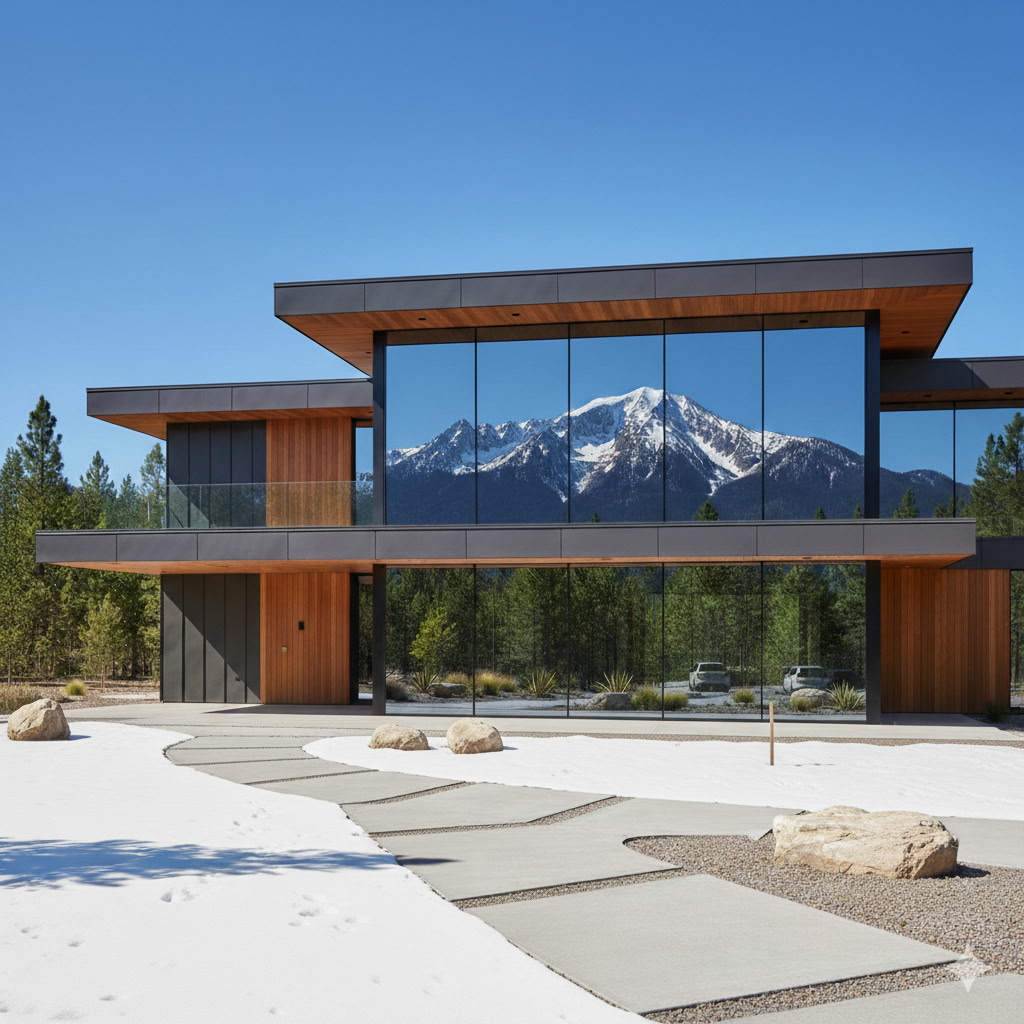

When a facade package looks clean on paper but starts to ripple, oil can, or overrun the budget in fabrication, material selection usually sits at the center of the problem. In the ACM panels vs aluminum conversation, the right choice depends less on which product sounds more premium and more on how the system needs to perform across size, finish, structure, and long-term maintenance.
Both materials are widely used in residential and commercial construction. Both can deliver a sharp architectural appearance. But they are not interchangeable, and treating them that way can create avoidable issues in pricing, installation, and finished appearance.
ACM panels vs aluminum: the core difference
ACM stands for aluminum composite material. An ACM panel is made with two thin aluminum skins bonded to a core. That construction gives the panel a strong balance of rigidity, light weight, and flatness. It is commonly selected for cladding, fascia, soffits, canopies, column covers, and branded architectural features where a refined finish matters.
Solid aluminum panels, by contrast, are made from a single sheet of aluminum plate or coil stock, typically formed to the project requirement. Because they are monolithic metal rather than composite, they behave differently during fabrication, installation, expansion, and impact.
That difference in construction drives nearly every practical decision. If the project team is comparing ACM panels vs aluminum only by appearance, they are missing the factors that affect labor, tolerance control, and performance in the field.
Where ACM panels have an advantage
ACM is often the better fit when visual consistency is a priority. Large panel faces typically stay flatter than comparable thin solid aluminum sheets, which helps reduce visible waviness. On projects with long sightlines, modern elevations, or highly visible commercial entries, that matters.
ACM also tends to be easier to fabricate into rout-and-return panel systems. Fabricators can machine and fold the material efficiently, creating clean edges and consistent shapes without the same material behavior you may see in thicker solid metal. For contractors and installers, that often translates into smoother assembly and better finish control.
Weight is another practical advantage. ACM panels are lightweight relative to the coverage they provide, which can simplify handling and reduce demands on substructures in some applications. That does not eliminate the need for a properly engineered support system, but it can help on projects where installation efficiency and dead load are part of the equation.
Design flexibility is also a major reason architects and owners choose ACM. The material is available in a broad range of colors, gloss levels, metallic looks, woodgrain effects, and custom finishes. For projects that need a tailored exterior language without sacrificing durability, ACM gives more room to match a design intent precisely.
Where solid aluminum makes more sense
Solid aluminum remains a strong choice when the application calls for a single-material metal panel with higher inherent impact resistance or where project requirements specifically favor non-composite construction. In certain heavy-duty conditions, formed solid aluminum can offer the straightforward durability specifiers want.
It can also be the right solution for tighter, smaller-format components where the benefits of ACM flatness are less significant. Trim details, brake metal, coping, flashings, and specialized formed parts are often well suited to solid aluminum because the material can be shaped for exact functional detailing.
There are also cases where code requirements, building type, or project-specific standards narrow the acceptable material options. In those situations, solid aluminum may be selected not because it is universally better, but because it fits the regulatory or performance framework of the job more directly.
Appearance and flatness on finished elevations
For many designers and developers, the biggest visible difference between ACM and solid aluminum comes down to panel flatness. ACM generally performs very well in this area, especially on larger panel modules. The composite build helps the panel maintain a smooth face, which supports a cleaner architectural finish.
Solid aluminum can still look excellent, but achieving the same visual flatness may require more attention to thickness, stiffening, attachment method, and panel size. If those details are not handled well, the finished surface may show distortion more readily.
That is why material selection should be tied to panel dimensions early. A panel that performs well at one size may not deliver the same result when scaled up. This is one of the most common places where product comparisons become oversimplified.
Fabrication, lead times, and jobsite efficiency
Fabrication strategy has a real effect on total installed cost. ACM panel systems are often chosen because they support efficient shop fabrication and repeatable installation methods. That can be valuable on multi-elevation commercial projects, branded retail exteriors, and custom residential facades where consistency matters across many pieces.
Solid aluminum may require different forming methods, thicker material selections, or additional reinforcement depending on the panel design. None of that makes it a poor product. It simply means the fabrication path can be different, and sometimes more labor-intensive, than buyers expect at the quoting stage.
For contractors, this matters because the cheapest raw material is not always the most cost-effective installed system. Labor, waste, handling, attachment detailing, and finish quality all affect the final number.
Durability and maintenance expectations
Both ACM and aluminum are valued for durability, corrosion resistance, and low maintenance when specified correctly. In most architectural applications, either option can provide long service life with the right finish system and installation details.
The more useful question is not which one is durable in a general sense, but durable against what. Coastal exposure, freeze-thaw cycles, intense sun, urban pollutants, and impact risk all influence performance. Finish quality matters just as much as substrate selection. A premium coating on a properly fabricated panel usually does more for long-term appearance than a simple material label.
Maintenance is generally straightforward for both. Routine cleaning and inspection of sealants, joints, and attachment conditions are more relevant than heavy upkeep. For owners focused on lifecycle value, low maintenance is one reason these materials remain popular.
Cost: material price vs installed value
Cost is where many comparisons go off track. Solid aluminum may appear simpler because it is a single material, while ACM may appear more specialized. But installed cost depends on far more than panel composition.
Panel size, finish selection, custom colors, attachment system, fabrication complexity, project volume, and freight all affect pricing. So does the labor needed to achieve the desired look. In many cases, ACM offers strong value because it balances premium appearance with efficient fabrication and installation. In other cases, especially for smaller formed components or specific technical requirements, solid aluminum may be the more practical spend.
The right approach is to price the intended system, not just the sheet material. That distinction saves time and prevents redesigns after procurement starts.
How to choose between ACM panels and aluminum
If the priority is a flat, modern exterior with strong finish options and efficient fabrication for larger decorative panels, ACM is often the better fit. If the application involves trim, flashing, smaller formed components, or project conditions that call for monolithic metal construction, solid aluminum may be the smarter choice.
Architects usually care most about finish, flatness, and design flexibility. Contractors tend to focus on fabrication, install time, and field consistency. Owners often look at maintenance and long-term appearance. A good specification accounts for all three viewpoints before the material is locked in.
At First Class Building Products, that is typically where the conversation becomes most useful. Instead of forcing one material into every application, the better path is matching the panel type to the function, exposure, and design intent of the project.
The better question than ACM panels vs aluminum
The better question is not which material wins in every scenario. It is which one solves the specific problem in front of you with fewer compromises. Some projects need the crisp finish and lightweight efficiency of ACM. Others need the direct performance profile of solid aluminum.
If you are still comparing both, look closely at panel size, visual expectations, fabrication method, code requirements, and total installed cost. That is where the right answer usually becomes clear, and where better material decisions lead to cleaner installs and stronger results long after the project is complete.


Leave a Reply