


A panel that is off by even half an inch can create a chain reaction on a jobsite – extra cutting, visible inconsistencies, delayed installs, and more waste than expected. That is why custom size wall panels matter. They solve practical fit issues early, help teams protect design intent, and make it easier to deliver a finished project that looks sharp and performs as specified.
For contractors, architects, developers, and homeowners investing in premium materials, the real value is not just that a panel can be made to size. It is that the right size improves installation efficiency, reduces field modifications, and supports better long-term results. Whether the application is an exterior facade, an interior feature wall, a lobby upgrade, or a residential renovation, sizing affects more than appearance.
Why custom size wall panels make a difference
Standard panel dimensions work well for many projects, but they are not always the best fit for real-world construction conditions. Buildings rarely follow perfect textbook dimensions, especially in renovation work or mixed-use developments where existing substrates, framing variations, and transition details create constraints. In those cases, forcing standard panels into non-standard conditions can add labor and compromise the finish.
Custom size wall panels give project teams more control. Openings can align more cleanly. Joint layouts can be planned instead of improvised. Material use becomes more efficient because the panel package is built around the wall assembly rather than the installer having to reshape material on site.
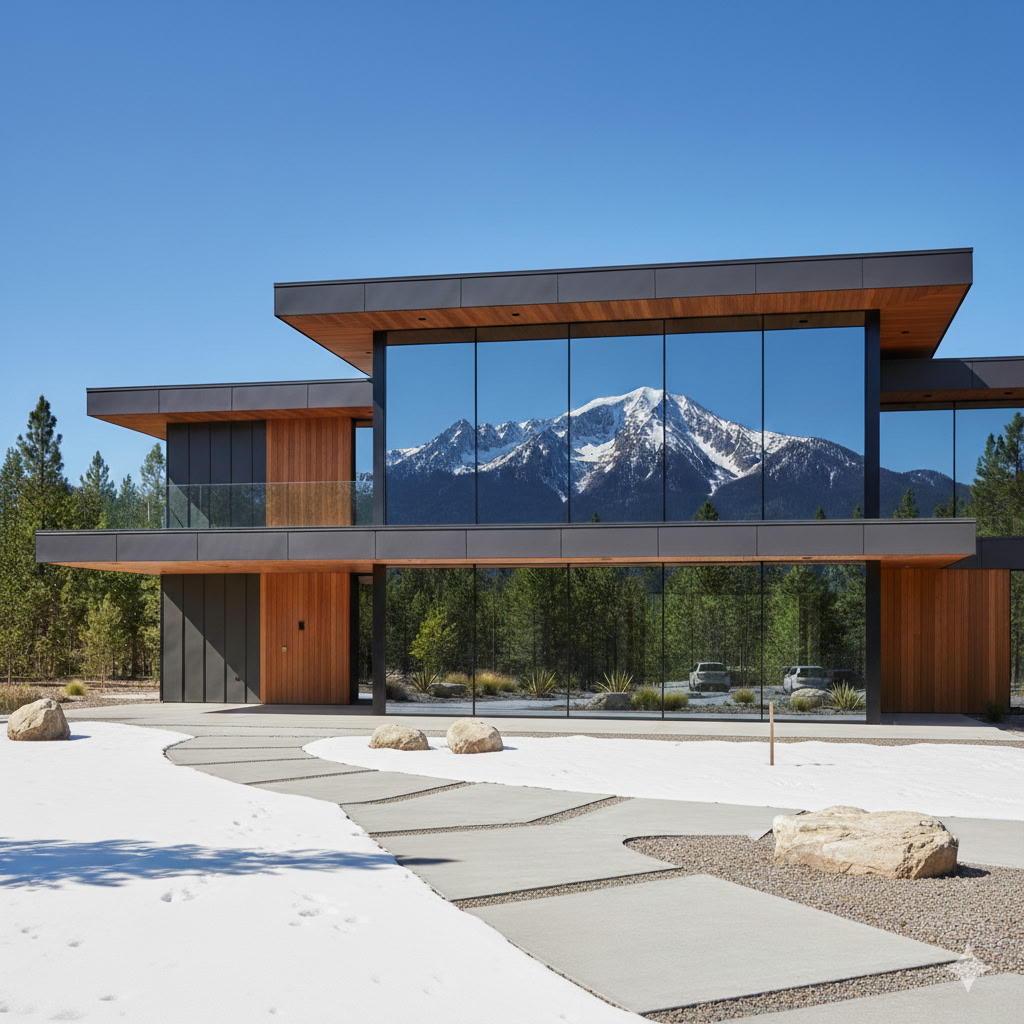
This matters on both interior and exterior applications. On an exterior envelope, precise sizing can help maintain cleaner sight lines and support a more intentional facade pattern. On interior walls, it helps preserve a polished look in spaces where visual consistency is easy to notice, such as reception areas, retail environments, multifamily corridors, and modern residential living spaces.
Where custom size wall panels add the most value
Custom sizing is especially useful when a project has a clear architectural rhythm or demanding finish expectations. Large-format decorative walls, aluminum panel systems, fluted feature surfaces, and other design-forward applications often depend on consistent spacing and layout. If installers have to trim every other panel in the field, the design can start to drift from the original intent.
Renovation work is another strong use case. Existing walls may be out of square, ceiling heights may vary, and transitions around windows, doors, and corners may not line up cleanly with stock dimensions. A custom approach reduces those installation adjustments and gives crews a more predictable process.
Commercial projects also benefit when schedule pressure is high. If panels arrive closer to final install size, teams spend less time modifying materials on site. That can help reduce labor hours, improve sequencing with other trades, and keep finish work moving.
Design flexibility without sacrificing performance
One reason buyers choose custom panels is aesthetics, but performance still leads the decision. A wall panel has to do more than look good. It needs to hold up under the conditions of the application, whether that means moisture exposure, impact resistance, temperature fluctuation, UV exposure, or regular cleaning.
That is where product selection and sizing need to work together. A custom panel made from the wrong material is still the wrong panel. For exterior use, durability, weather resistance, and dimensional stability are central concerns. For interior use, the priorities may shift toward finish quality, maintenance, moisture resistance, or ease of cleaning, depending on the setting.
The benefit of a specification-ready supplier is that customization does not stop at dimensions. Color, finish, texture, and panel type can be matched to the project goals while still meeting practical performance needs. That balance is what separates a design upgrade from a maintenance problem.
Custom size wall panels and installation efficiency
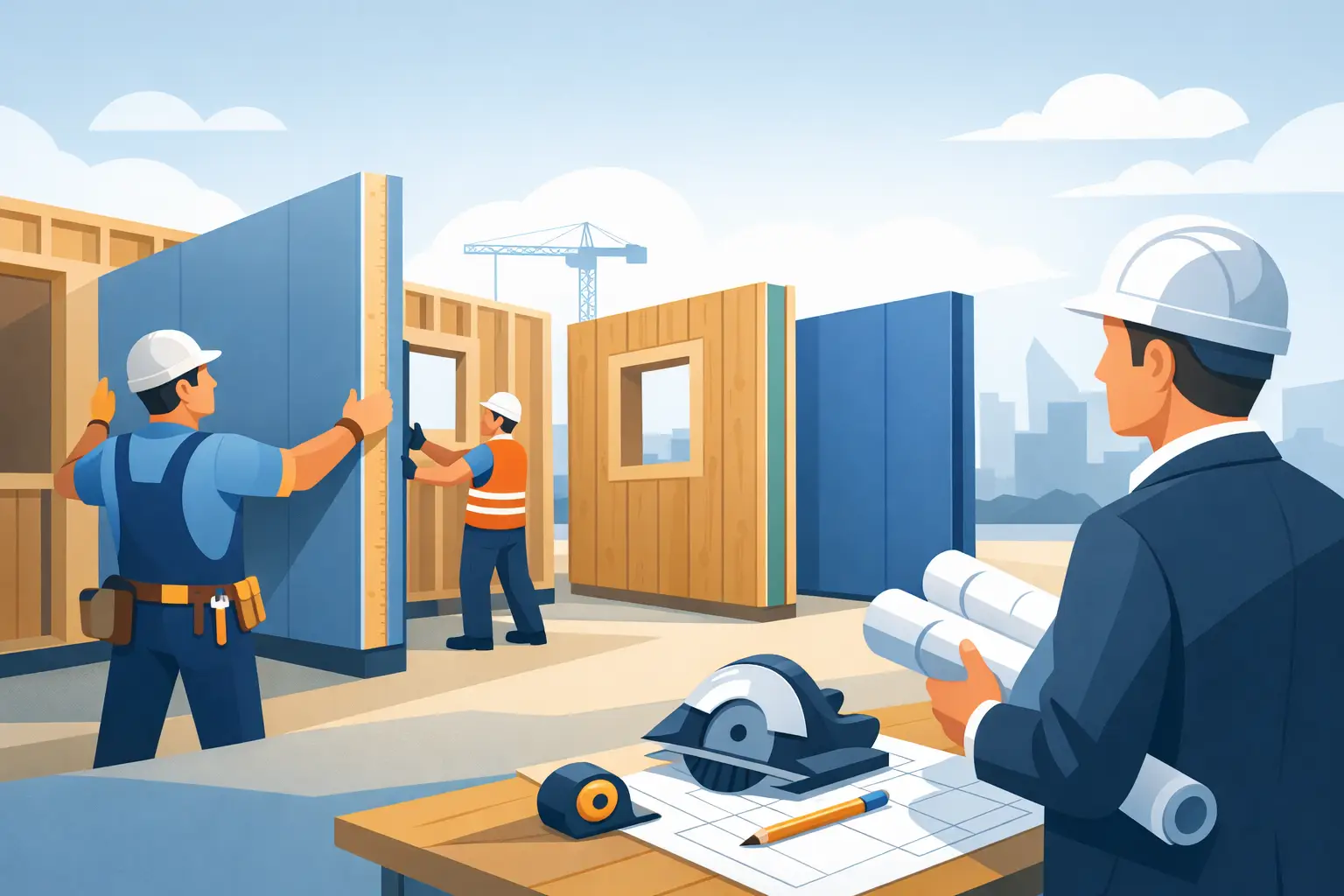
Installation is where sizing decisions show their value fast. When panels are produced to the project requirements, crews can focus on placement, fastening, alignment, and finish quality instead of repeated cutting and correction. That usually means a cleaner workflow and fewer chances for edge damage, finish inconsistency, or measurement errors in the field.
It is not always a simple equation of custom equals faster. Lead times, approval processes, and fabrication coordination can add time upfront. But for many projects, especially larger or more detailed ones, that investment pays off during installation. Less rework on site often means better labor efficiency and a more consistent result.
There is also a waste factor to consider. Standard materials trimmed down in the field can create a significant amount of scrap, particularly on projects with repeating adjustments. Custom sizing helps reduce that waste, which supports both cost control and sustainability goals.
What to review before you order
The biggest mistakes with custom panels usually happen before fabrication starts. Accurate dimensions are essential, but they are only part of the process. Layout intent, joint spacing, mounting method, substrate conditions, edge treatment, and transition details all affect the final panel size.
For example, a panel sized correctly on paper can still create installation issues if the expansion requirements were not built into the layout. The same goes for perimeter clearances, reveals, or trim details. Exterior applications need even more attention because weather exposure and system movement can affect how the panel performs over time.
It also helps to decide early whether the goal is to minimize joints, create a pattern, work around openings, or match an existing feature. Those priorities can change how the panel package should be designed. One project may benefit from larger panels for a monolithic appearance, while another may need smaller modules to simplify handling and reduce visible variation at transitions.
Interior vs. exterior considerations
Custom size wall panels are not one category in practice. Interior and exterior uses have different demands, and the right solution depends on where the product will be installed.
For interior applications, the focus is often on finish quality, ease of maintenance, and design consistency. In hospitality, office, retail, and residential spaces, panels may be chosen to add texture, warmth, or a modern architectural look without creating an ongoing upkeep burden. Moisture resistance can still matter, especially in bathrooms, kitchens, common areas, and amenity spaces.
For exterior applications, the performance bar is higher. Panels need to handle sun, rain, temperature swings, and wind exposure while maintaining appearance over time. Sizing accuracy is still important, but so are fastening strategy, expansion allowance, and the compatibility of the full wall assembly.
That is why a supplier with construction experience adds value. Product knowledge is useful, but application knowledge is what helps prevent costly mistakes.
Choosing the right supplier for custom panel work
Not every supplier is set up for customization in a way that supports real project delivery. Some can offer custom sizes but provide limited guidance on material suitability, finish options, or installation planning. Others can support the full decision process, which is usually what professional buyers need.
A strong supplier should be able to discuss panel material, finish durability, dimensional options, application constraints, and expected performance in clear terms. They should also understand that custom work needs reliable communication. Approval drawings, lead time clarity, and consistent fabrication standards matter just as much as the panel itself.
For buyers managing schedule, budget, and appearance at the same time, that support reduces risk. First Class Building Products approaches customization as a building solution, not just a special-order option, which is often the difference between a smooth install and a field problem waiting to happen.
When custom sizing is worth it
Custom sizing is usually worth the investment when fit, finish, and installation efficiency have a direct impact on project quality. That includes facade systems, premium interiors, renovations with irregular dimensions, and projects where design alignment is part of the value. If the application is simple and standard sizes already fit the layout with minimal waste, customization may not be necessary.
That trade-off matters. Custom panels can improve outcomes, but only when they are used with a clear purpose. The goal is not to customize for its own sake. The goal is to specify materials that make the project easier to build, better to look at, and more dependable over time.
When wall systems are planned with that mindset, sizing becomes more than a dimension on a shop drawing. It becomes a way to protect the quality of the finished build from the start.


Leave a Reply