


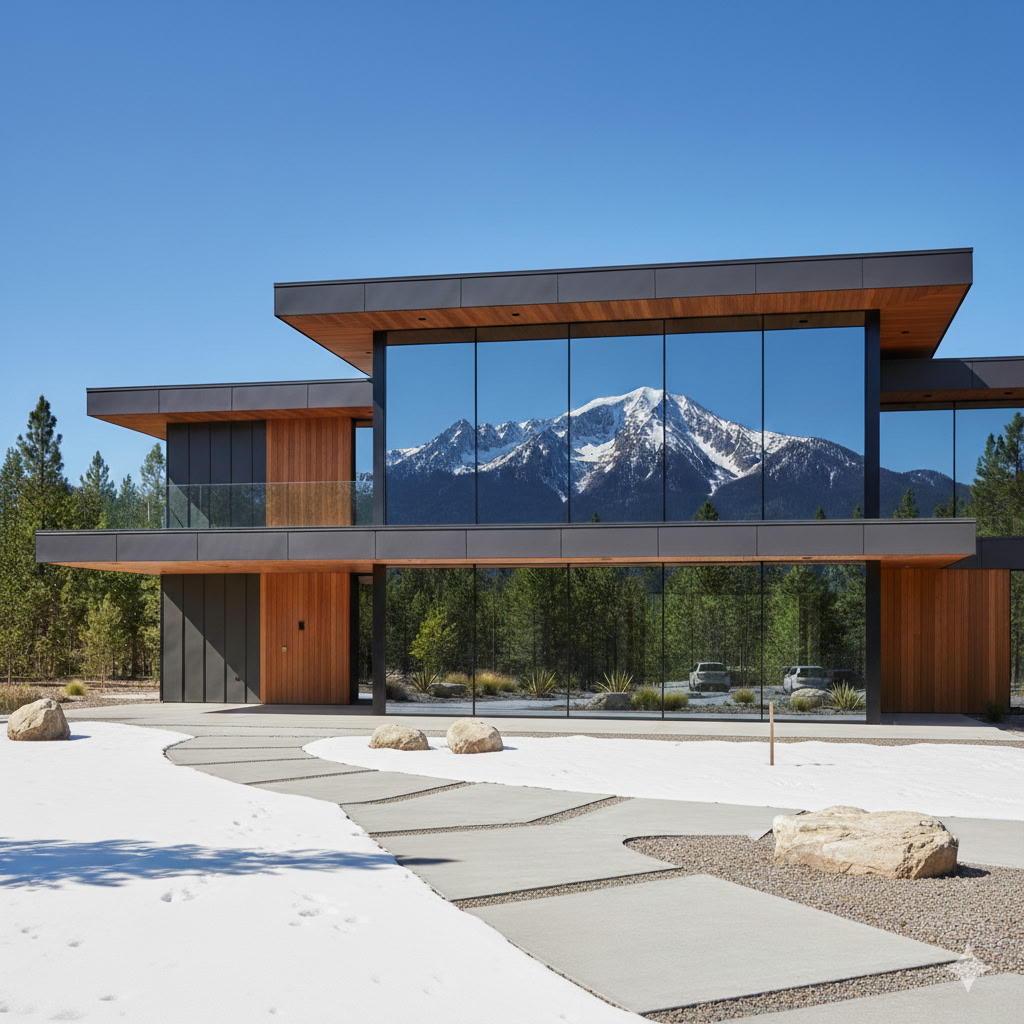

Cold perimeter drafts, condensation at the frame, and rising HVAC costs usually point to one issue – the glazing system is not doing enough. That is why insulated aluminum window systems have become a serious consideration for builders, architects, developers, and homeowners who want a cleaner exterior look without giving up thermal performance.
Aluminum has long been valued for strength, narrow sightlines, and low maintenance. The concern, historically, was heat transfer. Standard aluminum frames can conduct outdoor temperatures too easily, which affects comfort and energy use. Insulated systems address that weakness by combining aluminum’s structural advantages with thermal barriers, insulated glass, and tighter overall system performance.
What insulated aluminum window systems actually do
At a basic level, insulated aluminum window systems are designed to reduce the transfer of heat and cold through the window assembly. That includes the frame, sash, glazing, spacers, seals, and installation interface. The goal is not just a better-looking window. It is a window system that helps stabilize indoor temperature, reduce strain on mechanical equipment, and improve occupant comfort near the opening.
The key difference is the thermal break within the frame. This is typically a non-conductive material placed between the interior and exterior aluminum sections. It interrupts the direct path for heat flow, which is what makes insulated aluminum fundamentally different from older non-thermally broken products. When that frame design is paired with insulated glass units, quality weatherstripping, and proper fabrication, the result is a much better-performing assembly.
This matters in both hot and cold climates. In winter, better insulation helps keep interior heat from escaping and lowers the chance of interior condensation. In summer, it helps limit solar heat gain and outdoor heat transfer, especially when paired with the right glass package. For mixed climates, the benefit is year-round balance rather than a seasonal fix.
Why insulated aluminum window systems are gaining ground
The shift is being driven by code requirements, energy expectations, and design priorities. Many projects now need stronger thermal performance without moving to heavier-looking framing materials. Aluminum remains one of the best options for projects that want crisp lines, larger glass areas, and long-term dimensional stability.
For commercial buildings, that often means storefronts, punched openings, multifamily elevations, and mixed-use developments where appearance and durability matter equally. For residential work, the appeal is similar – modern aesthetics, slim profiles, and less maintenance than wood, with better thermal control than older generations of aluminum windows.
There is also a lifecycle advantage. Aluminum does not warp, swell, or rot, and high-quality finishes hold up well in demanding weather conditions. That can reduce repainting, repairs, and replacement frequency over time. The insulation component does add complexity and cost compared to basic aluminum products, but it also makes the material viable for many higher-performance applications where standard aluminum would fall short.
Performance factors that matter most
When specifying or comparing insulated aluminum window systems, it helps to look beyond broad claims like energy efficient or weather resistant. Actual performance depends on tested ratings and system design.
Thermal performance
U-factor is one of the first numbers to review. Lower U-factors indicate better insulation. Solar heat gain coefficient also matters, particularly in climates where cooling loads are a concern. A system can be well insulated and still allow too much solar gain if the glass selection is not aligned with the project.
Frame design plays a larger role than many buyers expect. Two systems may both be described as thermally broken aluminum, but the depth of the frame, the quality of the thermal barrier, and the overall assembly details can produce very different results.
Air and water resistance
A window that insulates well on paper but leaks air at the perimeter will not perform the way the project team expects. Air infiltration affects energy use, comfort, and acoustics. Water resistance is equally critical, especially in regions with wind-driven rain or freeze-thaw cycles. The full system has to manage drainage, pressure, and sealing reliably.
Structural capacity
Aluminum’s strength is one of its biggest advantages, especially for larger openings. That said, structural performance still needs to be matched to wind load, building height, and exposure conditions. This is particularly relevant in coastal areas and mid-rise or high-rise applications.
Acoustics
Insulated glass can improve sound control, but acoustic performance is not automatic. Glass thickness, air space, and glazing composition all influence how much exterior noise the system can reduce. For urban residential projects, hospitality, and mixed-use construction, this can be as important as thermal performance.
Where these systems make the most sense
Insulated aluminum window systems are a strong fit when a project needs modern design, larger spans, and dependable long-term durability. They are especially useful in custom residential builds, multifamily developments, commercial facades, and renovation projects where owners want to improve performance without sacrificing appearance.
They are also a practical option for projects exposed to moisture, temperature swings, and heavy sun. Aluminum handles those conditions well, and the insulated design helps address the traditional thermal limitations of the material.
That said, the right choice still depends on priorities. If a project is chasing the absolute lowest possible U-factor, some alternative frame materials may outperform aluminum in certain assemblies. But those options may bring trade-offs in profile size, finish durability, maintenance, or structural capability. For many North American projects, insulated aluminum provides a strong middle ground between performance, aesthetics, and longevity.
Design flexibility is part of the value
One reason aluminum continues to specify well is flexibility. Insulated aluminum frames can support a wide range of configurations, including fixed, casement, awning, sliding, and tilt-turn applications. They also work well with contemporary color palettes and architectural finishes.
For architects and builders, that means fewer compromises between facade intent and practical performance. Custom sizing, finish options, and refined sightlines are often just as important as energy metrics, particularly on projects where the fenestration package shapes the overall character of the building. This is where a supplier with real product knowledge becomes valuable. First Class Building Products serves teams that need materials selected not just for appearance, but for specification alignment, jobsite performance, and long-term value.
Installation can make or break the result
Even a high-performing insulated system can underperform if installation is treated as an afterthought. Poor shimming, inconsistent perimeter sealing, and weak integration with the wall assembly can create air leakage, water intrusion, and thermal bridging around the opening.
That is why the window should be evaluated as part of the full envelope, not as a standalone product. Flashing strategy, rough opening prep, insulation at the perimeter, and interface with adjacent cladding all affect how the installed assembly performs. In retrofit work, existing substrate conditions add another layer of complexity, and those details need to be addressed early.
For contractors and developers, this is where product support matters. Clear shop drawings, tested details, and realistic lead-time planning often have as much impact on project success as the product itself.
What buyers should ask before specifying
Before moving forward with insulated aluminum window systems, it is worth asking a few direct questions. Is the system thermally broken, and how is that break engineered? What tested values are available for U-factor, air infiltration, structural load, and water penetration? What glazing options are compatible with the frame? Can the finish, size, and configuration be customized for the project without creating delays or coordination problems?
It is also smart to ask how the product will perform in the actual building type and climate zone, not just in a general brochure sense. A window package for a luxury home in a northern climate may need a different glass setup than a mid-rise multifamily project in a warm coastal market. Good specification work accounts for those differences early, before pricing and scheduling get locked in.
The best window choice is rarely about one feature alone. It is about how thermal performance, durability, aesthetics, fabrication quality, and installation support come together in the field. Insulated aluminum window systems stand out because they can meet that broader project demand when they are selected carefully. If the goal is a window package that looks sharp, performs reliably, and holds up over time, this category deserves a serious look.


Leave a Reply