


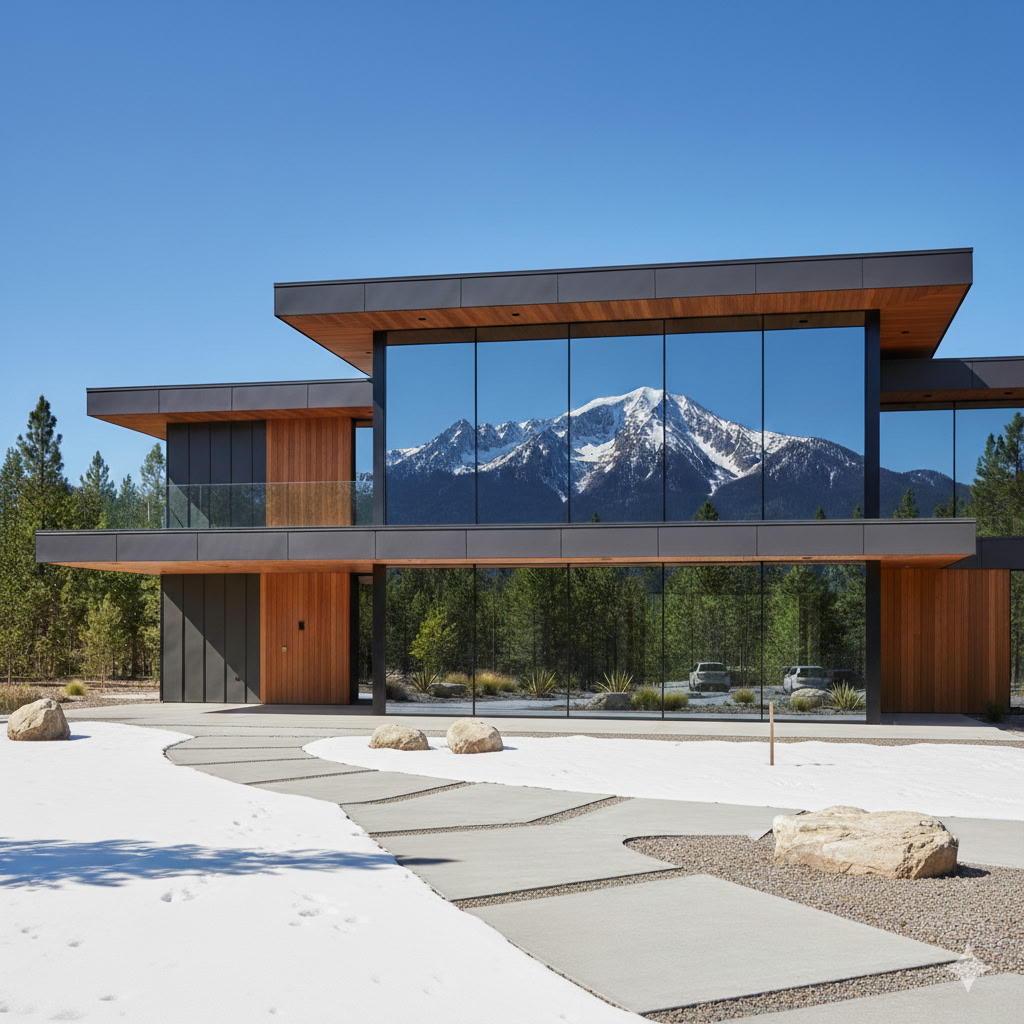
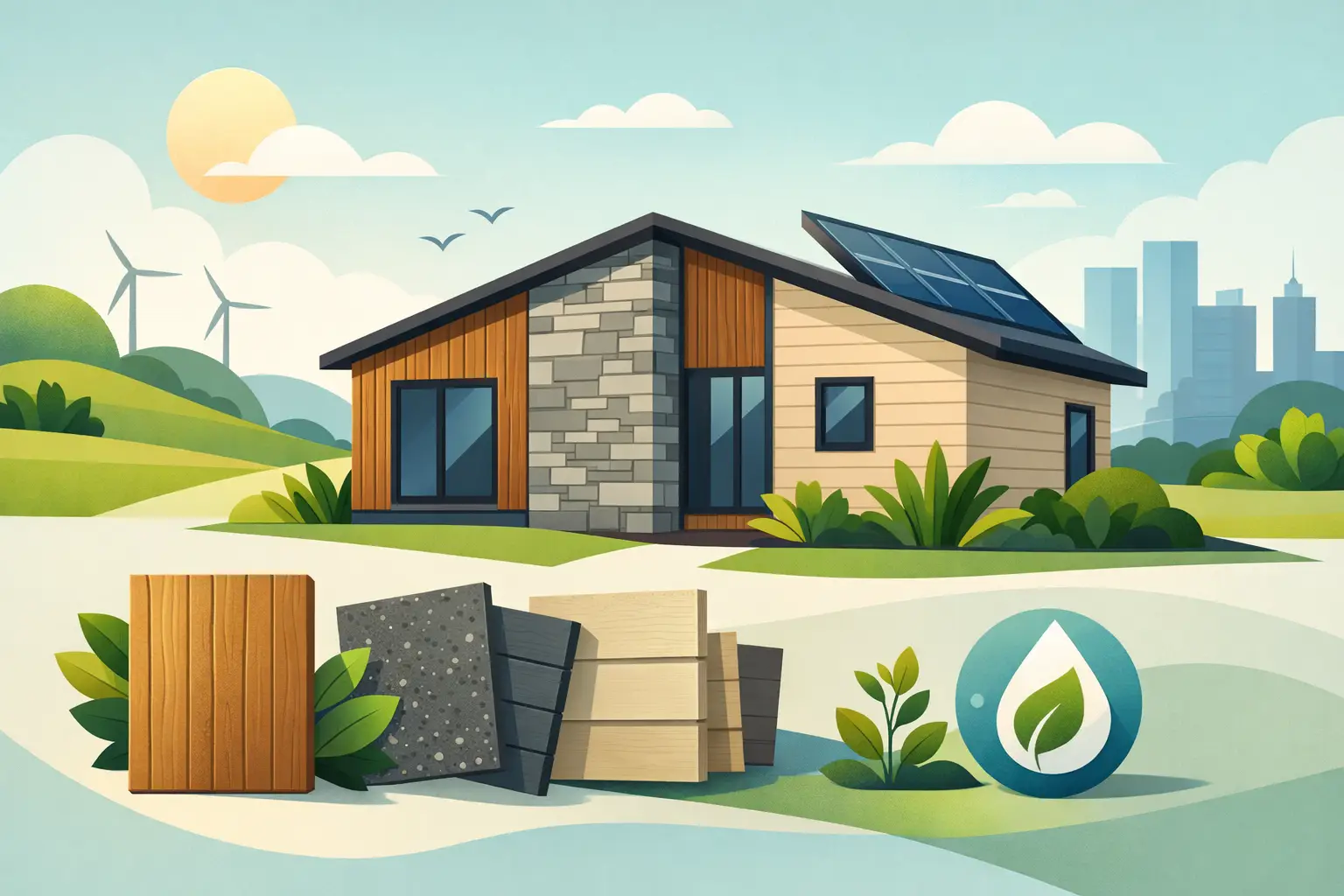
Material choice on the building envelope has a long tail. It affects maintenance cycles, weather performance, occupant comfort, and how a project looks ten years after closeout. When teams evaluate sustainable exterior cladding options, the real question is not just what is labeled green. It is which system delivers long service life, efficient performance, and fewer replacement demands under actual site conditions.
For builders, architects, and property owners, that usually means balancing embodied impact with durability, moisture resistance, finish stability, and installation quality. A cladding product that looks good on paper but fails early in freeze-thaw cycles, coastal exposure, or high-UV conditions is not a sustainable choice in practice. The strongest specifications account for both environmental intent and long-term building performance.
What makes exterior cladding sustainable
Sustainability in cladding is rarely one metric. Recycled content matters, but it is only part of the picture. A more useful evaluation looks at how the product is made, how long it lasts, how much maintenance it requires, whether it supports energy-efficient wall assemblies, and what happens at the end of its service life.
In commercial and residential construction, durability often carries the most weight. A panel or siding system that performs for decades with minimal refinishing, limited repair, and strong weather resistance usually creates a better lifecycle outcome than a cheaper product that needs early replacement. Sustainable performance also includes dimensional stability, fire performance where required, resistance to moisture intrusion, and compatibility with rainscreen design.
Design flexibility matters too. When a product can be customized by color, finish, size, and profile without compromising performance, it is easier to meet architectural goals without forcing a value-engineering change late in the project.
Sustainable exterior cladding options worth specifying
Aluminum cladding systems
Aluminum is one of the most practical sustainable exterior cladding options for modern construction. It is lightweight, corrosion-resistant, and widely recyclable. In many applications, aluminum panels also support cleaner installation, lower structural load demands, and long-term finish retention when the right coating system is used.
From a performance standpoint, aluminum works well across a wide range of climates. It handles moisture well, does not rot, and requires far less routine upkeep than many traditional materials. For commercial facades, multifamily buildings, and premium residential projects, aluminum also gives teams broad control over panel size, profile, and finish.
The trade-off is that not all aluminum systems are equal. Coil coating quality, panel fabrication, attachment detailing, and thermal movement accommodation all affect long-term results. Sustainability depends on proper specification, not just the base material.
ACM panels
Aluminum composite material panels remain a strong option when projects need a clean architectural finish, efficient installation, and dependable weather resistance. Their appeal is not only visual. ACM panels can contribute to sustainable outcomes through low maintenance demands, long service life, and efficient use in ventilated facade systems.
They are especially useful when design consistency matters across large elevations. Flatness, color consistency, and fabrication flexibility make them suitable for commercial exteriors, retail environments, and contemporary residential designs. Because they can be fabricated into custom forms and dimensions, they help teams reduce compromise between aesthetics and performance.
As always, code compliance and assembly design matter. Fire rating requirements, substructure details, and drainage planning should be reviewed early. A sustainable facade is one that performs safely and predictably, not one that relies on surface-level green claims.
Fiber cement
Fiber cement is often selected for its balance of durability, familiar appearance, and lower maintenance compared with wood. It can work well in residential and light commercial settings where teams want the look of lap siding, panel systems, or board-and-batten without the same vulnerability to insects or rot.
From a sustainability standpoint, fiber cement can be a sensible choice because it typically has a long service life and holds up well in demanding climates. It also supports a broad design range, which helps on projects that want a traditional or transitional exterior.
Its weight and labor requirements are worth considering. Fiber cement is heavier than metal-based alternatives, which can affect handling and installation speed. Finish maintenance may also vary depending on product and exposure conditions. It is a reliable option, but not always the lowest-labor path.
Wood and thermally modified wood
Wood remains attractive for projects that prioritize natural texture and warmth. Responsibly sourced wood can be a strong sustainability story, particularly when the design goal is biophilic character or a premium custom residential exterior.
That said, wood is highly dependent on species, treatment, detailing, and climate exposure. In wet, high-sun, or freeze-thaw environments, maintenance demands can increase quickly. Thermally modified wood improves dimensional stability and durability, making it more viable for exterior use, but it still requires realistic planning around weathering and finish expectations.
For owners seeking the look of wood with lower maintenance, alternative cladding materials may offer a better lifecycle fit.
Engineered wood and composite cladding
Engineered wood products and certain composite cladding systems can offer a useful middle ground between natural appearance and improved durability. Some products are designed to resist moisture, impact, and movement better than conventional wood while reducing maintenance frequency.
Performance can vary significantly by manufacturer and formulation, so this category requires careful review. Teams should look closely at warranty terms, moisture management requirements, finish performance, and suitability for the local climate zone. A composite product may be marketed as sustainable, but long-term value depends on how it actually performs on the wall.
Brick and terracotta systems
Brick and terracotta are often overlooked in sustainability conversations because they are not always framed as innovative materials. Yet on the right project, they can deliver exceptional longevity, low routine maintenance, and strong facade durability.
These materials can be excellent choices for institutional, multifamily, and premium mixed-use applications where lifespan matters more than lowest initial cost. Their main constraints are weight, structural considerations, and installation complexity. They are durable, but they are not always the most efficient fit for every budget or schedule.
Performance factors that matter more than labels
A product can include recycled content and still perform poorly if the assembly is not designed correctly. This is why experienced teams look beyond marketing language. Wall design, attachment method, cavity ventilation, flashing, and moisture management often have just as much impact on sustainability as the cladding itself.
Thermal performance is another key factor. Exterior cladding does not work alone. It functions as part of the building envelope, and its sustainability value improves when integrated with continuous insulation and effective air and water barriers. Rainscreen assemblies, in particular, can help extend service life by improving drainage and drying potential behind the facade.
Maintenance should also be priced honestly at the start. A lower-cost material that needs frequent refinishing, sealing, or replacement can become the less sustainable choice over time. For many owners, low maintenance is not just a convenience. It is a lifecycle cost strategy.
Matching the right cladding to the project
There is no single best answer across every building type. For commercial facades that need a sharp modern appearance, custom dimensions, and strong weather resistance, aluminum panels and ACM systems are often the most efficient fit. For residential projects seeking texture and a more traditional look, fiber cement or high-quality composite systems may be more appropriate. For statement architecture, wood can be compelling, but only when the owner accepts the maintenance reality.
Climate should drive the conversation early. Coastal exposure, high humidity, wildfire zones, hail risk, and severe temperature swings all change what “sustainable” looks like in practice. So do project priorities. Some owners want the lowest maintenance path. Others will prioritize design character, lighter structural loads, or custom color control.
This is where supplier guidance matters. A specification-ready partner can help narrow options based on performance goals, code requirements, fabrication needs, and finish expectations. First Class Building Products works with project teams that need that balance – materials that support design intent while standing up to real-world jobsite and weather demands.
How to evaluate sustainable exterior cladding options with confidence
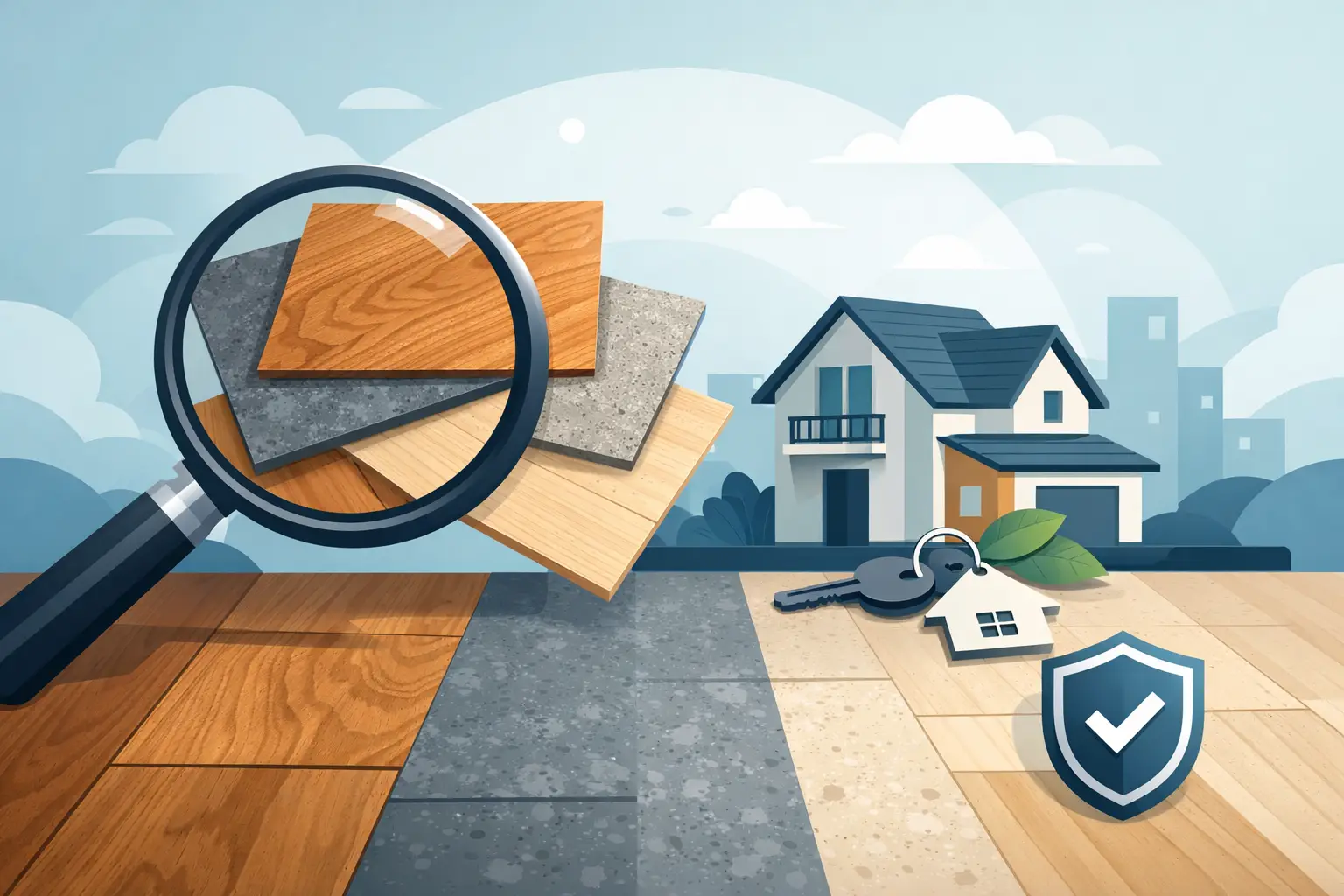
Start with service life, not just upfront cost. Then review maintenance expectations, moisture performance, finish durability, and fabrication flexibility. Ask whether the system supports the wall assembly you intend to build, and whether it can be installed consistently by the crew and schedule you have.
It also helps to think beyond the sample. Large-format appearance, corner conditions, penetration detailing, and replacement logistics all affect long-term satisfaction. The right cladding should not only meet the design vision on day one. It should continue to perform with minimal disruption over the years that follow.
The best exterior decisions usually come from clear priorities, not broad claims. If a cladding system can handle the climate, reduce maintenance, support efficient envelope design, and still deliver the finish your project needs, that is where sustainability becomes practical instead of theoretical. The smartest next step is to specify materials that will still look like the right choice long after the project is complete.

Leave a Reply