


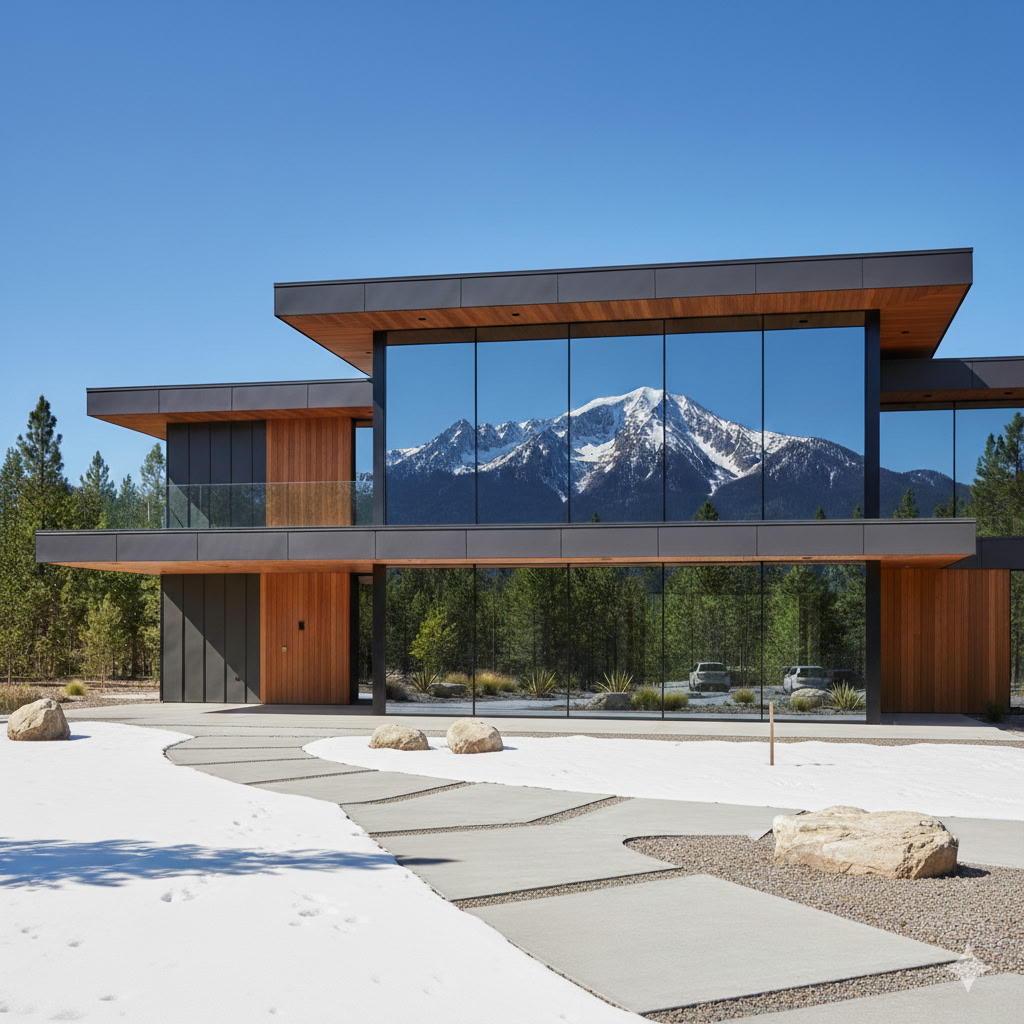

A facade color decision is rarely just a design decision. It affects material lead times, batch consistency, maintenance expectations, local approval requirements, and the way a building is recognized years after completion. Custom color facade panels give architects, builders, and owners the control to create a distinctive exterior without compromising the practical demands of the building envelope.
For a commercial entrance, mixed-use development, retail exterior, or premium residence, a standard white, gray, or black panel may be the right choice. But when the exterior needs to align with a brand standard, neighborhood palette, architectural concept, or existing building element, a custom finish can turn a functional cladding system into a defining project feature. The key is specifying color with the same discipline applied to panel thickness, attachment method, and weather performance.
Why Custom Color Facade Panels Matter
Color shapes how a facade reads from the street, at a distance, and under changing daylight. It can make a large elevation appear lighter, break up a long wall, reinforce a storefront identity, or connect new construction to surrounding materials such as brick, stone, glass, and metal.
Custom panels allow more than a broader selection of shades. They give project teams the ability to coordinate finishes across exterior components, including aluminum trims, window frames, soffits, canopies, doors, and signage. That coordination matters because colors that appear close on a digital rendering can look noticeably different once installed side by side.
The practical benefit is long-term design control. Rather than changing the architectural intent to fit a limited stock palette, the project team can select a panel finish that supports the original elevation design. This is particularly valuable for developments with repeatable branding, high-visibility corner locations, hospitality projects, and custom homes where exterior material choices carry significant value.
Start With the Right Panel System
A custom color is only as effective as the panel behind it. Facade panels must be selected for the application, climate exposure, wall assembly, installation method, and desired visual result. Aluminum composite material, solid aluminum panels, and other engineered exterior cladding systems can each support custom finishes, but they do not provide identical structural characteristics or detailing options.
For example, ACM panels are often selected for their flat appearance, design versatility, and efficient fabrication. Solid aluminum panels may be appropriate where a different level of rigidity, forming capability, or project-specific performance is required. Panel size also matters. Large-format panels reduce visible joints but require careful consideration of expansion, fabrication limits, handling, and attachment details.
The finish specification should follow the panel selection, not replace it. A striking color cannot correct oil-canning, poorly planned reveals, inadequate flashing, or a panel system unsuited to the exposure conditions. Contractors and designers should review the complete assembly: substrate, air and water management layers, fastening approach, perimeter trim, joints, and transitions around openings.
Match the Finish to the Exposure
Exterior coatings must tolerate more than rain. Ultraviolet exposure, heat, airborne contaminants, salt, freeze-thaw cycles, and cleaning practices all influence how a finish looks over time. Dark colors can absorb considerably more heat than light colors, which may increase thermal movement and affect how panel joints and trim details should be designed.
This does not mean dark custom colors should be avoided. It means the specification should account for them. On sun-exposed elevations, especially in hot climates, confirm that the selected panel system, finish, and installation details are appropriate for expected temperature movement. The same care applies to coastal projects, where corrosion resistance and finish durability deserve additional attention.
Gloss level is another important choice. High-gloss finishes can create a sharp, polished appearance but may show surface irregularities, dust, and reflections more readily. Matte and low-gloss finishes tend to provide a more contemporary look and can be more forgiving across broad wall areas. Textured, metallic, woodgrain, and specialty finishes offer additional design options, though they may have different directionality, fabrication, and replacement considerations.
How to Specify Custom Color Facade Panels
A dependable color process starts before fabrication. The objective is not simply to name a color, but to create a finish standard that can be reviewed, approved, reproduced, and installed consistently.
First, establish the intended reference. This may be a physical sample, a recognized color standard, an existing architectural finish, or a project-specific brand color. A digital image or monitor rendering is useful for early design discussions, but it should never be the final approval method. Screens vary, and exterior daylight changes the apparent color throughout the day.
Next, request physical finish samples. Review them outdoors and, when possible, against adjacent materials. A panel that appears warm gray in a sample room may appear blue or green beside glass, concrete, or masonry. The team should also consider orientation. North-facing and south-facing elevations can make the same color look different because of direct sun and reflected light.
Once the color is narrowed down, approve a control sample or mockup. For larger jobs, a full-size elevation mockup is worth the time. It allows stakeholders to evaluate panel flatness, joint patterns, corner conditions, trim coordination, color variation, and reflectivity before production begins. Correcting an issue at this stage is far less costly than correcting it after installation.
The written specification should identify the panel material, thickness, finish type, gloss range if applicable, color reference, coating performance requirements, approved sample, fabrication direction for directional finishes, and acceptable tolerances. It should also clarify whether panel edges, returns, trims, and accessories must match the face finish.
Plan for Batch Consistency and Future Repairs
Custom finishes require production planning. Color variation can occur between manufacturing batches, especially with metallic, pearlescent, textured, or specialty coatings. For this reason, panels intended for the same continuous elevation should generally be ordered together and installed according to the manufacturer’s recommended sequence.
Builders should avoid assuming that an exact replacement panel can be sourced years later. Coating formulations, production batches, and product lines can change. Ordering a reasonable attic stock quantity at the time of the original purchase is a practical safeguard for future repairs, additions, or damage caused by other trades.
Storage and handling also affect the finished appearance. Panels should be protected from moisture, abrasion, construction dust, and prolonged exposure to incompatible tapes or films. Installers should follow the panel manufacturer’s guidance for protective-film removal and cleaning. Using an aggressive cleaner or abrasive pad can damage a finish that was designed to be low maintenance.
Common Mistakes That Add Cost Later
The most avoidable problem is approving color from a small chip without viewing a larger sample in real conditions. Another is using a color reference without confirming the finish type. The same color can look substantially different in matte, satin, gloss, metallic, or textured form.
Teams also run into trouble when they treat custom panels as isolated components. If window frames, flashings, trims, and canopy materials are selected separately, the finished elevation can look mismatched even when every individual product is high quality. Coordinate the exterior palette early and identify which elements require a precise match versus a complementary tone.
Finally, do not overlook lead time. Custom color facade panels may require additional sampling, approval, coating, fabrication, and shipping time compared with standard stocked finishes. Bringing the panel supplier into design development early helps protect the construction schedule and gives the team time to resolve technical questions before materials are released.
A Better Way to Make the Color Decision
The strongest facade specifications balance appearance with field performance. Start with the architectural intent, then test that intent against climate, orientation, substrate conditions, detailing, budget, and maintenance needs. A bright signature color may be ideal for a protected entry feature, while a lower-gloss neutral finish may be the better long-term choice for an expansive sun-facing wall.
First Class Building Products can help project teams evaluate custom colors, panel formats, and finish options in the context of the full exterior design. The goal is not to add complexity. It is to make sure the selected panel system looks intentional on opening day and remains a dependable part of the building exterior for years to come.
Before finalizing any custom finish, put a physical sample on the actual project site. A few minutes of review in real light can prevent a costly color decision from becoming a permanent one.


Leave a Reply