


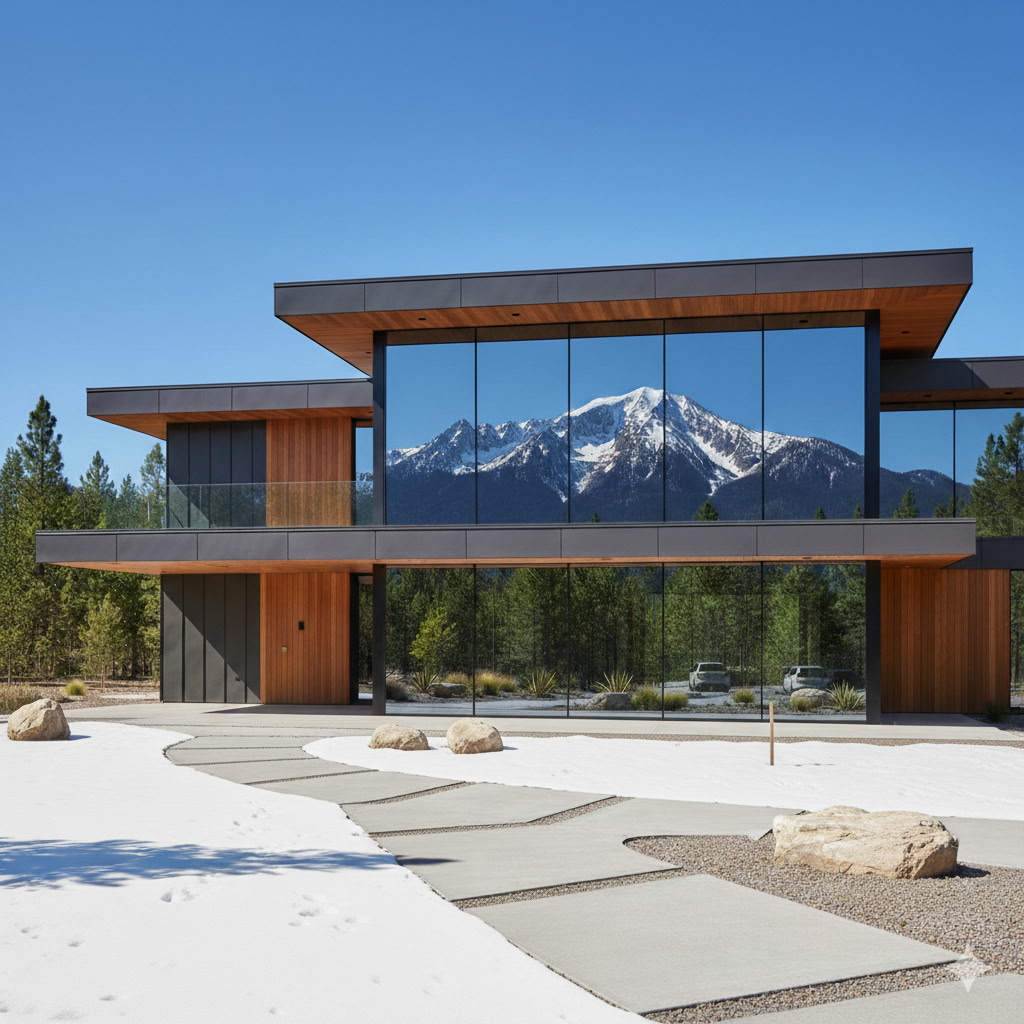

A window selection can affect a project long after the final walkthrough. When comparing triple pane vs double pane windows, the better option is not automatically the unit with more glass. The right choice depends on climate, orientation, framing, installation quality, energy targets, and the expectations of the building owner.
For builders, renovators, architects, and homeowners, the decision should start with whole-window performance rather than pane count alone. A well-specified double-pane window can outperform a poorly designed or poorly installed triple-pane unit. At the same time, triple-pane glass can provide meaningful gains where winter temperatures, exterior noise, or premium comfort expectations justify the investment.
Triple Pane vs Double Pane: The Basic Difference
Double-pane windows use two glass lites separated by an insulated space. Triple-pane windows use three lites and two insulated spaces. Those spaces are typically filled with air or an insulating gas such as argon, while low-emissivity coatings help control heat transfer through the glass.
Adding a third pane creates another thermal barrier. In practical terms, this can lower heat loss in winter, reduce interior glass temperatures near the room side, and improve resistance to condensation when the window is properly selected for the conditions. Triple-pane units can also improve sound control, although glass thickness, airspace dimensions, and laminated glass often matter as much as the third pane.
The extra pane also adds weight, cost, and complexity. That matters on large operable units, narrow frames, specialty shapes, and projects where handling and installation speed are part of the budget calculation.
Energy Performance Is More Than the Glass Package
U-factor is one of the clearest measures for comparing windows. It indicates how readily a complete window transfers heat. Lower U-factor values generally mean better insulating performance. Triple-pane windows commonly achieve lower U-factors than comparable double-pane models, especially when combined with high-performance frames, warm-edge spacers, and appropriate low-E coatings.
However, comparing center-of-glass ratings alone can be misleading. The frame, sash, spacer system, and installation opening all influence the real-world result. A thermally improved aluminum, fiberglass, wood, or quality composite frame may affect total performance significantly. Air leakage around the frame or through an improperly sealed rough opening can erase a portion of the expected energy benefit.
Solar heat gain coefficient, or SHGC, also deserves attention. A lower SHGC limits solar heat entering the building, which can help control cooling loads in hot or high-sun locations. In colder regions, a carefully selected SHGC may allow useful winter solar gain on appropriate elevations. The best glazing package is therefore tied to the building’s climate zone and facade orientation, not simply to whether it has two or three panes.
Where Triple-Pane Windows Earn Their Cost
Triple-pane windows are often a strong fit for cold-climate construction, high-performance homes, and projects pursuing stringent energy targets. They help keep interior glass warmer during cold weather, improving comfort for occupants seated or working near large window areas. This is especially valuable in living rooms, bedrooms, offices, and commercial spaces with substantial glazing.
They can also make sense on exposed elevations where strong winds and low outdoor temperatures place more demand on the building envelope. Better insulating glass reduces cold downdrafts near windows and can lower the risk of interior condensation, provided indoor humidity is managed correctly.
For premium residential work, triple-pane windows may support a quieter, more refined interior environment. But sound performance should be specified by the actual acoustic need. A unit with dissimilar glass thicknesses or laminated glass may reduce traffic, aircraft, or neighborhood noise more effectively than simply adding a third identical pane.
Triple-pane units are particularly practical when the project owner values long-term operating efficiency and comfort over the lowest initial cost. The return is not always a simple payback calculation on utility bills. It may also include stronger occupant comfort, fewer cold-weather complaints, and a higher-performance building envelope.
When Double-Pane Windows Are the Smarter Specification
Double-pane windows remain the standard for many successful residential and commercial projects. A quality double-pane unit with low-E glass, argon fill, durable seals, and a well-designed frame can deliver dependable performance in moderate climates and in many code-compliant applications across the United States.
For projects with large window counts, double-pane units can preserve budget for other high-value envelope improvements, such as air sealing, continuous insulation, flashing, or better exterior cladding details. Those measures can have an equal or greater effect on durability and energy performance than upgrading every opening to triple pane.
Double-pane windows may also be easier to source in a broad range of configurations and may be more manageable for large operable panels. Weight is not a minor issue. Heavier insulating glass units can influence hardware selection, installation labor, shipping, and long-term operation on oversized casement, tilt-turn, or sliding systems.
In warm climates with high cooling demand, the advantage of triple pane can be narrower than it is in northern heating climates. A properly selected double-pane unit with a low SHGC may be the more efficient use of the project budget, particularly when shading and orientation are addressed early in the design.
Cost, Installation, and Long-Term Value
Triple-pane windows cost more upfront because they require an additional glass lite, another sealed airspace, and often more substantial components to carry the added weight. The price difference varies by size, frame material, glazing package, operation type, and custom requirements. On a modest window schedule, the upgrade may be manageable. On a large custom home or multifamily project, it can become a meaningful line item.
The most useful question is not, “Which window is cheaper?” It is, “Where will additional performance make a measurable difference?” A project may use triple pane on north-facing bedrooms, wind-exposed elevations, large fixed units, or noise-sensitive spaces while using high-quality double pane elsewhere. That approach can balance performance with cost without treating every opening the same.
Installation quality remains non-negotiable for either choice. The window must be integrated with the weather-resistive barrier, sill pan or drainage strategy, flashing, shims, insulation, and interior air seal. Glass performance cannot compensate for water intrusion, unplanned air leakage, or a frame set out of square.
For specification-ready work, confirm whole-unit U-factor, SHGC, visible transmittance, air infiltration ratings, design pressure requirements, glass safety requirements, and applicable local energy code. In coastal or severe-weather regions, impact resistance and structural ratings may be more decisive than the number of panes.
Framing and Glass Details That Change the Result
The same pane count can produce very different outcomes. Low-E coating location affects solar control and heat retention. Argon is common, while krypton may be used in narrower cavities where higher performance is required. Warm-edge spacers can reduce heat transfer around the perimeter of the insulating glass unit.
Frame selection also matters. Aluminum provides clean lines, strength, and durability, but standard aluminum is highly conductive unless it includes an effective thermal break. European-designed window systems often pair advanced frame engineering with multi-point locking and high-performance glass options, making them well suited to projects that require both modern aesthetics and envelope performance.
Do not overlook visible transmittance. Highly insulating glazing can reduce daylight if the glass package becomes too tinted or heavily coated. On homes and commercial spaces where daylight is a design priority, the window package should balance thermal control, glare management, and visual clarity.
How to Choose the Right Window Package
Start with the building location and the owner’s priorities. Cold climates, large glass areas, exposed sites, and high-comfort projects create a stronger case for triple pane. Moderate climates, budget-driven scopes, and shaded or carefully oriented elevations may make high-quality double pane the more practical option.
Then review the opening as a complete system. Consider frame thermal performance, required size, operability, structural load, glass safety, noise exposure, and installation details. A large south-facing fixed window should not necessarily receive the same glazing specification as a small north-facing bedroom window.
First Class Building Products helps project teams evaluate window and door options with the full exterior envelope in mind. The goal is a durable, well-finished assembly that supports the project’s energy, weather-resistance, and design requirements.
The best window choice is the one that performs reliably in its actual location, fits the budget without weakening the envelope, and gives occupants the comfort they will notice every day.


Leave a Reply