


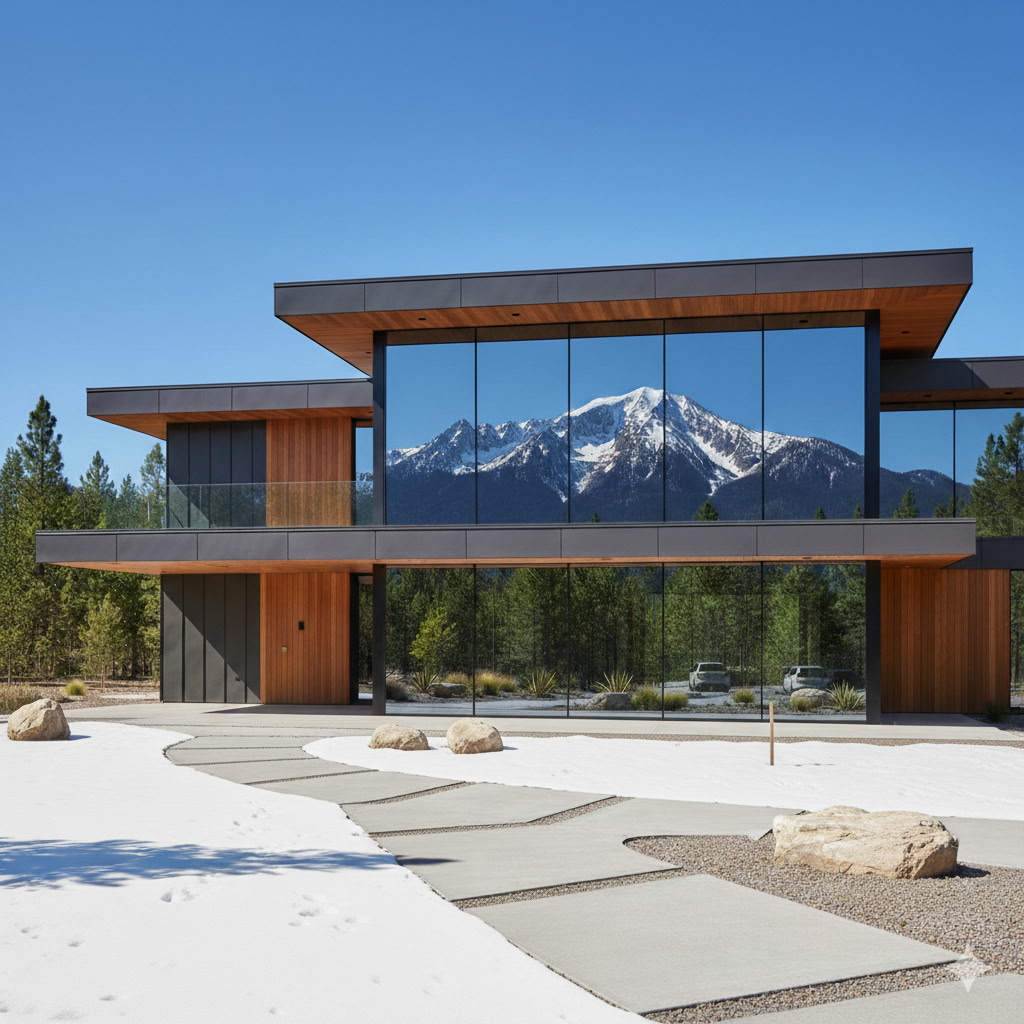

A coastal property can look finished on move-in day and begin showing material failures far sooner than expected. Salt-laden air, wind-driven rain, intense UV exposure, humidity, and storm debris place constant pressure on the exterior envelope and interior finishes. Selecting durable products for coastal homes is not simply about choosing the toughest-looking material. It means specifying products that perform together, suit the exposure level of the site, and can be maintained without adding unnecessary long-term cost.
For builders, architects, developers, and homeowners, the right approach starts with the building envelope. Once water, wind, and solar exposure are addressed at the exterior, the interior materials can support a clean, resilient finish that holds up to wet feet, sandy traffic, and changing humidity.
What Coastal Exposure Does to Building Materials
Coastal conditions are demanding because they attack materials in several ways at once. Salt does not need to be visible to cause problems. Airborne chlorides can settle on cladding, fasteners, frames, railings, and door hardware, accelerating corrosion when moisture is present. Near the shoreline, that process can be substantially faster than it is inland.
Wind introduces a separate concern. It drives rain into joints and around penetrations, lifts poorly detailed components, and turns loose debris into impact hazards. High UV exposure can fade finishes, dry out sealants, and make lower-grade plastics brittle. In humid climates, trapped moisture also creates conditions that contribute to mold, swelling, and decay in materials that are not designed for repeated wetting.
This is why material selection should never be separated from installation details. A high-performance panel will not compensate for inadequate flashing. A water-resistant floor will not solve moisture entering through an unprotected door opening. Coastal durability comes from compatible products, proper drainage, corrosion-conscious fastening, and clear maintenance expectations.
Durable Products for Coastal Homes Start at the Exterior
The exterior should be specified as a system rather than a collection of finishes. Cladding, windows, doors, trim, deck surfaces, sealants, and attachment hardware all need to withstand the same climate pressures.
Aluminum and ACM Panels for Low-Maintenance Facades
Aluminum-based cladding is a strong option for coastal projects because it does not rot, absorb water, or provide food for insects. Quality aluminum panels and aluminum composite material, or ACM, panels provide a refined architectural appearance while supporting reliable weather resistance. They are available in a wide range of colors, textures, and finishes, allowing a coastal design to move beyond standard siding profiles.
The specification still matters. Choose finishes engineered for exterior UV exposure, confirm panel thickness and fabrication requirements, and use compatible fastening systems. In highly exposed areas, regular rinsing helps remove salt deposits before they can affect adjacent components or accumulate at joints.
ACM panels are particularly useful for contemporary residential elevations, multifamily projects, entry features, soffits, and commercial facades. Their flatness and design flexibility make them well suited to projects where appearance is as important as protection. Custom colors, panel dimensions, and finishes can also help architects maintain a consistent exterior palette without forcing a design into off-the-shelf limitations.
Windows and Doors Built for Wind and Moisture
Windows and doors are among the most critical decisions in a coastal home. They must resist water intrusion, air leakage, repeated operation, and wind pressure while providing the thermal performance expected in a premium property. European-designed window and door systems can offer precise engineering, durable frames, and large-format glazing options that suit modern coastal architecture.
Look beyond the frame finish. Verify that the selected system is appropriate for the required design pressure, glazing configuration, and local wind-borne debris requirements where applicable. Proper sill flashing, drainage paths, and installation integration with the weather-resistive barrier are essential. A well-made door can still fail if water is directed behind its frame.
For projects facing direct sun or broad water views, glazing choices deserve equal attention. The right glass package can improve comfort, manage solar heat gain, and help protect interior finishes from fading. The best selection depends on orientation, climate zone, window size, and the project’s energy goals.
WPC Decking for Wet, High-Traffic Outdoor Areas
Decks, balconies, and poolside spaces receive the full force of coastal weather. Wood can be beautiful, but it requires a consistent maintenance program and remains vulnerable to checking, splintering, staining, and moisture-related movement. Wood-plastic composite, or WPC, decking offers a practical alternative for projects that prioritize low maintenance and dependable performance.
Quality WPC decking resists moisture, rot, and insect damage while providing a stable, finished surface for outdoor living areas. It is a practical fit for beach houses, marina-adjacent properties, rooftop terraces, hospitality projects, and multifamily common areas. Color, surface texture, board profile, and slip resistance should be reviewed carefully, particularly around pools and exterior stairs.
WPC is not maintenance-free. Sand, salt, sunscreen, and organic debris should be cleaned regularly. It can also retain more heat than natural wood in direct sun, so darker colors and bare-foot traffic patterns should be considered during design. Those trade-offs are manageable when the product is selected for the actual use of the space.
Interior Finishes That Handle Sand, Moisture, and Daily Use
Coastal durability does not stop at the front door. Entryways, kitchens, ground-level rooms, rentals, and common areas often experience wet shoes, sand abrasion, and high humidity. Interior finishes should be selected for cleanup, dimensional stability, and long-term appearance.
SPC Flooring for Water-Resistant Performance
Stone plastic composite, or SPC, flooring is well suited to coastal interiors because it offers a durable core and strong water resistance. It is a useful option for main living areas, kitchens, hallways, bedrooms, and renovation projects where homeowners want the appearance of wood or stone without the maintenance demands of natural materials.
SPC flooring performs best when the subfloor is properly prepared and moisture conditions are understood before installation. It is water-resistant, but it should not be treated as a solution for an active slab moisture problem or recurring plumbing leaks. Use appropriate underlayment where required, follow expansion guidelines, and choose transition details that protect edges at exterior doors and wet areas.
Decorative and Fluted Panels in Protected Applications
Decorative wall panels and fluted panels add texture and visual definition to interiors, covered entries, feature walls, and protected outdoor spaces. Their value in a coastal project is not only aesthetic. They can create durable, easy-to-clean surfaces in lobbies, corridors, retail interiors, and high-end residential spaces where painted drywall may show wear quickly.
Application is the deciding factor. Panels used outdoors or in semi-exposed locations need a finish and substrate designed for the environment. Panels intended only for dry interiors should remain in dry interior zones. Matching the panel construction to the exposure level protects both the design intent and the warranty expectations.
Details That Protect the Material Investment
Even premium materials need disciplined detailing. Specify corrosion-resistant fasteners and connectors appropriate to the product and local conditions. Avoid combining dissimilar metals without proper separation, as galvanic corrosion can occur when certain metals remain in contact in the presence of moisture.
Drainage is equally important. Cladding assemblies need a path for incidental water to escape. Deck boards need adequate gaps and ventilation below. Window systems need properly integrated flashing. Sealants should be selected for movement capability, UV exposure, and compatibility with the surrounding substrates.
Maintenance planning should be included in the handoff process, especially for homeowners and property managers. A simple schedule for rinsing exterior surfaces, clearing drainage paths, inspecting sealant joints, and cleaning deck areas can prevent minor issues from becoming expensive repairs. Coastal properties reward routine attention, not reactive maintenance.
Choose for the Site, Not Just the Style
A home several blocks from the water does not face the same exposure as a house on an open shoreline. Building height, orientation, overhangs, surrounding vegetation, and local code requirements all affect product selection. A protected courtyard may allow more decorative freedom, while a windward elevation may need more conservative materials, attachment methods, and glazing specifications.
First Class Building Products helps project teams evaluate these decisions with high-performance exterior and interior options that balance weather resistance, design flexibility, and long-term value. The goal is not to overbuild every surface. It is to put the right material in the right location and detail it for the conditions it will actually face.
A coastal home should not require constant repair to remain attractive. When materials are selected for salt, moisture, sun, and wind from the beginning, the finished property is better positioned to protect its investment and keep its intended appearance for years to come.


Leave a Reply