


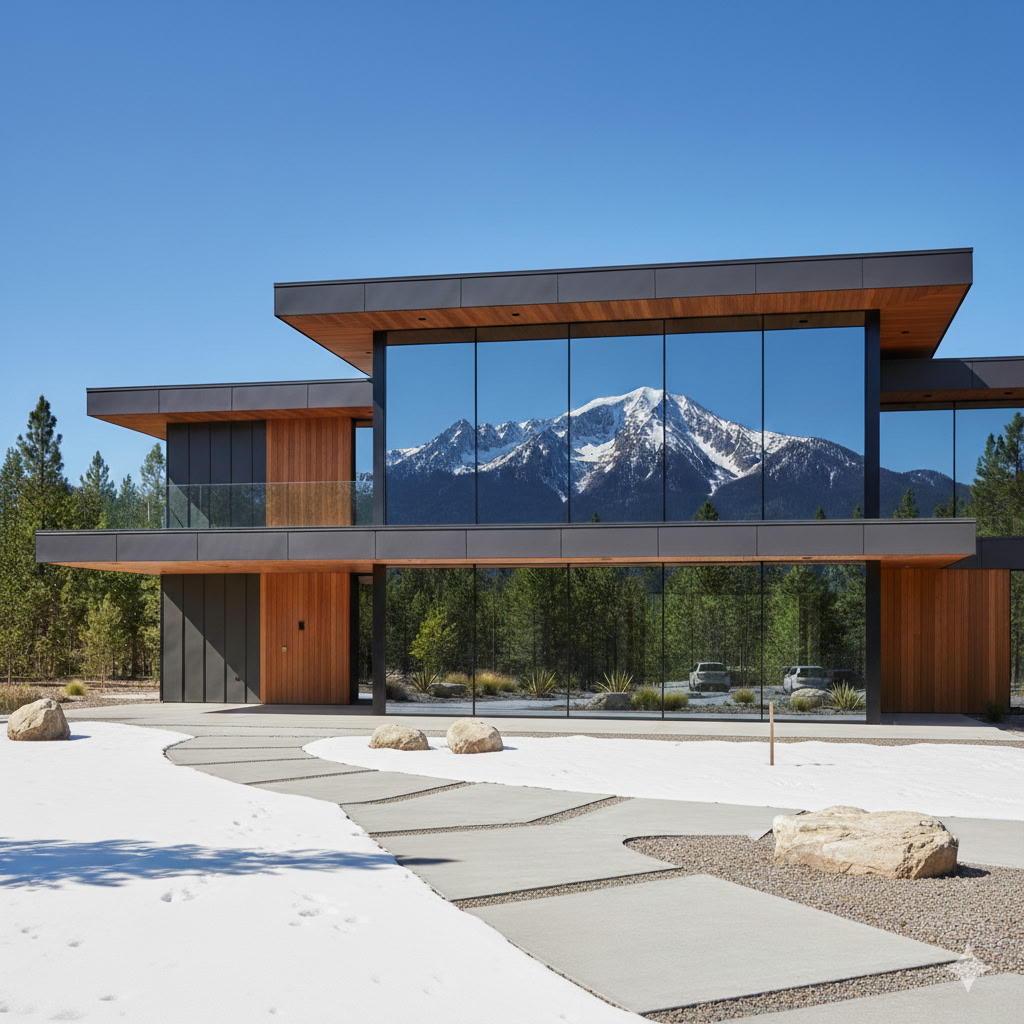

A deck can look excellent on day one and still become a problem by year three if the material was chosen for appearance alone. If you are weighing how to select WPC decking, the right approach is to start with performance, then work back to color, profile, and finish. That matters whether you are specifying for a multifamily build, upgrading a hospitality terrace, or planning a residential outdoor space that needs to hold up through heat, rain, and daily use.
How to select WPC decking starts with project conditions
WPC decking is not a one-size-fits-all product. The right board for a covered backyard deck may not be the right choice for a pool surround, rooftop application, or high-traffic commercial space. Before comparing colors or textures, define the conditions the decking will face.
Exposure is the first variable. Full sun, freeze-thaw cycles, heavy rain, coastal moisture, and wide temperature swings all affect long-term performance. Some products handle UV exposure and thermal movement better than others. If the deck will sit in direct sun most of the day, color fade and surface temperature become more important than they would on a shaded installation.
Traffic level matters just as much. A private residential deck has a different wear profile than a restaurant patio or a shared amenity area in a multifamily development. Higher traffic means more abrasion, more furniture movement, and a greater need for a surface that resists scratches and stains.
You also need to account for how the space will be used. If the deck is near water, slip resistance should move higher on the list. If clients want a clean, refined design with minimal visible fasteners, board profile and fastening system deserve closer attention. Good product selection is always tied to application, not just category.
Understand what affects WPC decking performance
Wood-plastic composite decking is valued for low maintenance, weather resistance, and visual consistency, but not every board is built to the same standard. The composition, cap layer, density, and manufacturing quality all influence how the product performs over time.
Capped WPC decking generally offers stronger resistance to moisture, staining, and fading than uncapped options. For many exterior projects, especially those exposed to regular weather or food service use, a capped board is the more dependable choice. The outer protective layer helps reduce issues that show up later, such as discoloration, water absorption, and surface wear.
Board construction also matters. Some profiles are solid, while others are hollow or engineered with internal chambers. Solid boards often feel more substantial underfoot and may be preferred in heavy-use settings. Hollow boards can reduce weight and material cost, but they need to be evaluated carefully for span requirements, edge detailing, and acoustic performance. Neither option is automatically better. It depends on the project priorities and the structural design underneath.
Dimensional stability is another factor that gets overlooked. WPC boards expand and contract with temperature changes. A quality product should come with clear installation guidance for spacing, fasteners, and support framing so movement can be managed properly. If those details are vague, that is usually a warning sign.
How to select WPC decking by surface, color, and finish
Once performance basics are covered, appearance becomes a practical decision rather than a cosmetic one. The best-looking deck is the one that still looks good after years of exposure and use.
Surface texture affects both style and function. A deeper embossed grain may create a more natural wood look, but it can also hold more debris in some environments. A smoother finish may be easier to clean, though it needs to maintain sufficient slip resistance. In commercial and residential applications alike, the right texture is the one that balances appearance with safety and maintenance expectations.
Color selection should be grounded in climate and use. Darker boards can deliver a premium look, but they usually absorb more heat in direct sun. That may be acceptable for a private deck with partial shade, but less ideal for a pool deck, family patio, or amenity area where people walk barefoot. Lighter tones often perform better in hot, exposed locations and tend to make everyday dust and pollen less noticeable.
Color consistency is worth reviewing in person whenever possible. Samples and product photography are useful, but broader board variation, sheen level, and edge appearance are easier to judge with full-size pieces. If your project includes custom exterior palettes or coordinated facade materials, it helps to work with a supplier that understands design matching rather than treating decking as a standalone commodity.
Structural requirements should never be an afterthought
Decking selection is closely tied to substructure design. Even a premium board can underperform if the framing, spacing, or fastening method is wrong.
Start with the manufacturer’s span requirements and compare them to the actual project layout. Commercial projects, stairs, board direction changes, and picture-frame details may all affect support spacing. A product that works well on standard residential framing may require adjustments for more complex layouts.
Fastening systems deserve attention early, not at the end. Hidden fasteners can improve the finished appearance and help create a cleaner walking surface, but they need to be compatible with the board profile and installation method. Face fastening may be necessary in certain conditions or detailing locations. What matters is using a system that supports movement, secures the boards properly, and aligns with the final design intent.
Edge detail and perimeter finishing also influence product choice. Some boards are better suited for grooved installations, while others offer matching fascia, trim, or stair components that make it easier to deliver a complete look. If the goal is a high-end result, these accessories should be considered part of the selection process, not extras to solve later.
Maintenance expectations and life-cycle value
One of the main reasons buyers choose WPC decking is to reduce maintenance compared with traditional wood. That benefit is real, but it should be evaluated honestly.
Low maintenance does not mean no maintenance. Every deck needs periodic cleaning, especially in areas exposed to pollen, leaves, standing water, or food spills. The difference is that quality WPC decking should not require sanding, staining, or sealing to maintain its core performance. For builders and property owners focused on long-term value, that can translate into fewer callbacks, lower upkeep costs, and more predictable appearance retention.
This is also where cheaper products can become expensive. A lower upfront price may look attractive during procurement, but if the boards fade unevenly, scratch easily, or develop moisture-related issues, the replacement cost can outweigh the initial savings. Selection should be based on service life, warranty support, and expected performance under actual site conditions.
Ask practical questions. How does the product handle common stains? What is the cleaning guidance? Is the warranty clear about fading, structural integrity, and environmental exposure? Strong documentation usually reflects a stronger product program.
What professionals should compare before making a final decision
When narrowing options, focus on direct product comparisons that affect installation, appearance, and long-term reliability. Look at board construction, cap quality, slip resistance, fade resistance, span rating, fastening compatibility, and available trims. Then compare those features against the demands of the project instead of assuming the most expensive product is automatically the best fit.
It is also worth evaluating supplier support. Product quality matters, but so does access to specification information, lead times, finish coordination, and guidance during planning. On projects where design and performance both matter, a knowledgeable supplier can help prevent mismatches between the decking, the structure, and the intended use. That consultative support is often what separates a smooth installation from an avoidable field issue.
For buyers balancing performance with design flexibility, this is where a solutions-based approach helps. First Class Building Products works with construction professionals and property owners who need materials that perform well and present well, especially when custom colors, sizes, and finish coordination are part of the scope.
Common selection mistakes to avoid
The most common mistake is choosing based on appearance alone. A board may look right in a sample box but still be the wrong fit for heat exposure, moisture, or traffic level. Another frequent issue is ignoring movement and framing requirements until installation begins. That can create problems with board spacing, fastener placement, and edge finishing.
It is also easy to underestimate the impact of surface temperature, especially in southern climates or on rooftops with little shade. If user comfort matters, this should be addressed before the material is approved. Finally, avoid treating all warranties as equal. Coverage terms vary, and the details matter more than the headline.
The best decking decisions come from matching product characteristics to real project demands. When the board, the finish, and the installation method are aligned from the start, the result is not just a better-looking deck. It is a deck that keeps performing when the project is no longer new.


Leave a Reply