


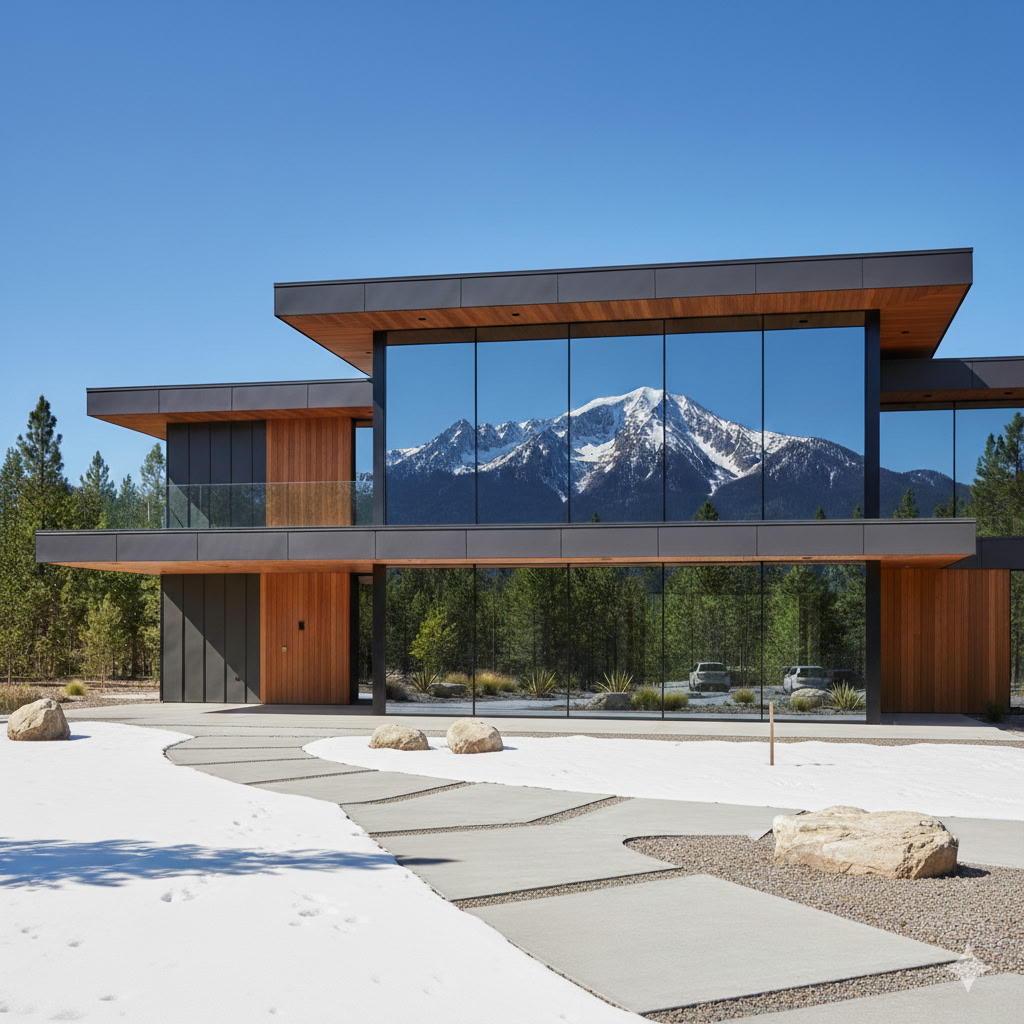

A window package can make a building look expensive, perform better, and feel quieter inside – or it can become the weak point in the envelope. That is why modern european style windows get so much attention from architects, builders, and owners who want more than a standard opening in the wall. They bring a distinct design language, but the real value is how that design supports energy performance, durability, and long-term usability.
For North American projects, these windows are not simply a style choice. They represent a different approach to frame construction, glazing, air tightness, and daily operation. If you are evaluating them for a custom home, multifamily development, or light commercial project, it helps to understand what sets them apart and where they make the most sense.
What modern european style windows actually mean
The phrase often gets used loosely, but modern european style windows usually refer to window systems influenced by contemporary European engineering and architectural detailing. The visual signature is clean and restrained. Profiles are often slimmer, sightlines are more deliberate, and hardware tends to be integrated rather than visually dominant.
More importantly, the performance philosophy is different. Many European-designed systems are built around tighter tolerances, multi-chamber frames, advanced gasketing, and glazing packages designed to reduce heat transfer and air infiltration. The result is a window that is expected to do more than bring in daylight. It is part of the building envelope strategy.
That matters in regions with cold winters, hot summers, strong wind exposure, or major temperature swings. It also matters on premium residential projects where comfort, acoustics, and finish quality carry as much weight as square-foot cost.
Why modern european style windows stand out
A standard builder-grade window is often selected on upfront price and basic code compliance. Modern european style windows are typically chosen for a broader set of priorities. They are intended to improve how a building looks from the street, how it feels from the interior, and how it performs over time.
One of the biggest differences is the balance between aesthetics and engineering. These systems are known for a refined appearance, but the visual minimalism usually comes with serious technical intent. Better thermal breaks, more sophisticated frame geometry, and stronger sealing systems are common. That can support lower energy loss, fewer drafts, and more stable indoor temperatures.
There is also the issue of noise. On projects near traffic corridors, dense urban streets, or active commercial zones, glazing quality and frame construction can make a noticeable difference. Not every European-style window will deliver the same acoustic result, but many are better positioned to support sound control than basic alternatives.
Design characteristics that define the look
From a design standpoint, these windows fit contemporary architecture especially well. They work naturally with flat or low-slope rooflines, large glass openings, minimalist facades, and mixed-material exteriors that combine metal, glass, masonry, or cladding panels.
The appeal usually comes from proportion and restraint rather than decoration. Frames often appear more streamlined. Operable units can be designed to preserve a consistent exterior appearance. Black, bronze, white, and custom finishes are common, and the ability to tailor color or size matters on projects where the window package needs to align with the broader facade system.
That said, the modern look is not limited to ultra-contemporary homes. These windows can also work in transitional or renovated properties when the goal is to update performance and simplify the exterior expression. The key is choosing profile depth, frame color, and glass configuration that fit the architecture rather than fighting it.
Performance advantages beyond appearance
The strongest case for modern european style windows is usually performance. In practical terms, project teams are often looking for better insulation, lower maintenance, stronger weather resistance, and dependable operation.
Well-designed systems can help reduce air leakage, which affects both comfort and HVAC demand. High-quality glazing and frame design can limit unwanted heat gain in summer and heat loss in winter. In climates with wind-driven rain or freeze-thaw exposure, construction quality and sealing details become even more important.
Durability is another major factor. Premium window systems are expected to hold up under repeated use, UV exposure, moisture, and seasonal movement without rapid finish breakdown or hardware failure. This is where material choice matters. Aluminum-clad, thermally broken aluminum, and advanced composite or uPVC systems each have strengths, but the right fit depends on climate, building type, and performance targets.
Common operating styles and where they fit
Not every project needs the same type of window operation. European-inspired systems are often associated with tilt-turn windows, and for good reason. Tilt-turn operation offers flexibility by allowing secure ventilation in the tilt position and full inward opening in the turn position. That can improve air control, cleaning access, and functionality in multifamily or urban residential settings.
Fixed units are also common in modern compositions where uninterrupted glass is the priority. Casement configurations may be used when ventilation and air tightness are both important. Sliding systems can be useful in select applications, but they do not always deliver the same compression seal performance as tilt-turn or casement designs.
The right choice depends on the project. A custom home may prioritize larger glazed openings and mixed operable types. A multifamily building may focus on repeatable units, lifecycle cost, and resident usability. A light commercial property may need a balance of clean aesthetics, thermal performance, and maintenance practicality.
What to evaluate before specifying
The best-looking window on paper can still create problems if it is not matched to the project. Specifying modern european style windows requires more than reviewing finish samples and elevations.
Start with climate and code requirements. Thermal performance targets, structural loads, water resistance, and glazing needs should be reviewed early. Large openings may require different frame engineering than smaller punched windows. Coastal, hurricane-prone, or high-wind regions may also change what is feasible.
Installation planning matters just as much as product selection. A high-performance window can underperform if the rough opening prep, flashing, sealants, or integration with adjacent wall assemblies are not handled correctly. That is especially true on projects using premium exterior systems where continuity of the weather barrier is critical.
Lead times, customization, and service support should also be part of the decision. Many buyers are drawn to European-style systems because they allow more control over dimensions, finishes, and design details. That flexibility is valuable, but it should be coordinated with schedules and field conditions from the start.
Trade-offs to keep in mind
These windows are not the right answer for every budget or every project type. The first trade-off is cost. Modern European systems generally sit above commodity window lines in both material price and specification complexity. For projects driven by lowest initial cost, that can be a barrier.
The second trade-off is coordination. More advanced systems often require better planning, clearer shop drawings, and tighter installation standards. Builders who treat them like interchangeable stock windows may run into avoidable issues.
There are also operational preferences to consider. Tilt-turn windows, for example, are highly functional, but some North American users are less familiar with the hardware. That is not necessarily a drawback, but it does mean user expectations should be addressed.
Still, on projects where aesthetics, energy performance, and long-term value matter, the higher upfront investment often aligns with the bigger project goals. Reduced maintenance, better comfort, and a stronger architectural result can justify the decision.
Where they make the most sense
Modern european style windows are especially well suited for custom residential construction, premium renovations, multifamily developments with a design-forward market position, and commercial spaces where facade quality is part of the brand experience. They also fit projects aiming for stronger energy performance or a more refined building envelope.
For teams that want specification-ready products with customization options, supplier support becomes part of the value. That is one reason many contractors and developers work with experienced building product partners such as First Class Building Products when evaluating window and door systems alongside other exterior materials. Product compatibility, finish coordination, and practical guidance can save time and reduce rework.
The window decision should never be isolated from the rest of the building. Frame finish, glass proportions, cladding transitions, and weather exposure all affect the outcome. When those details are coordinated well, the result is a cleaner facade and a stronger-performing structure.
Modern european style windows are worth serious consideration if you want the window package to do more than meet a basic opening schedule. The right system can sharpen the architecture, improve comfort, and support long-term building performance – which is exactly what a premium project should expect.


Leave a Reply