


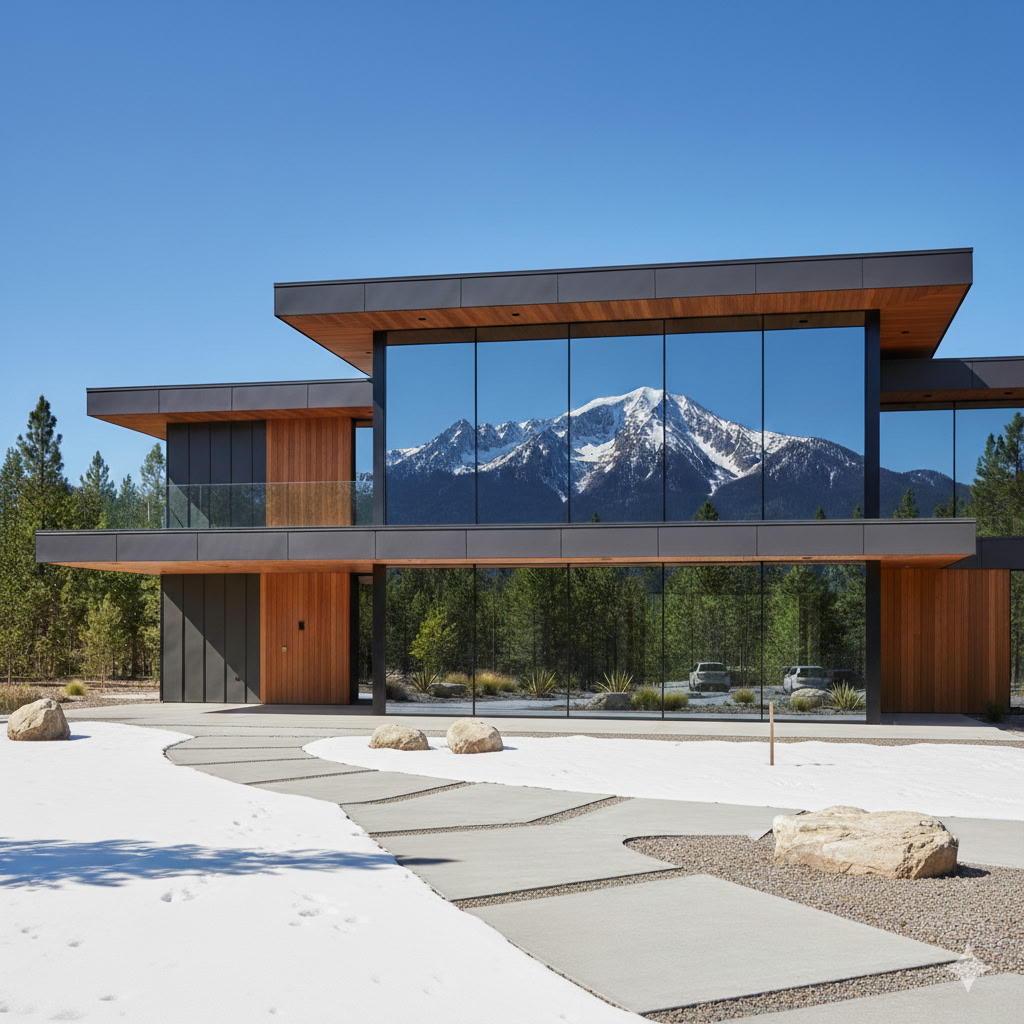
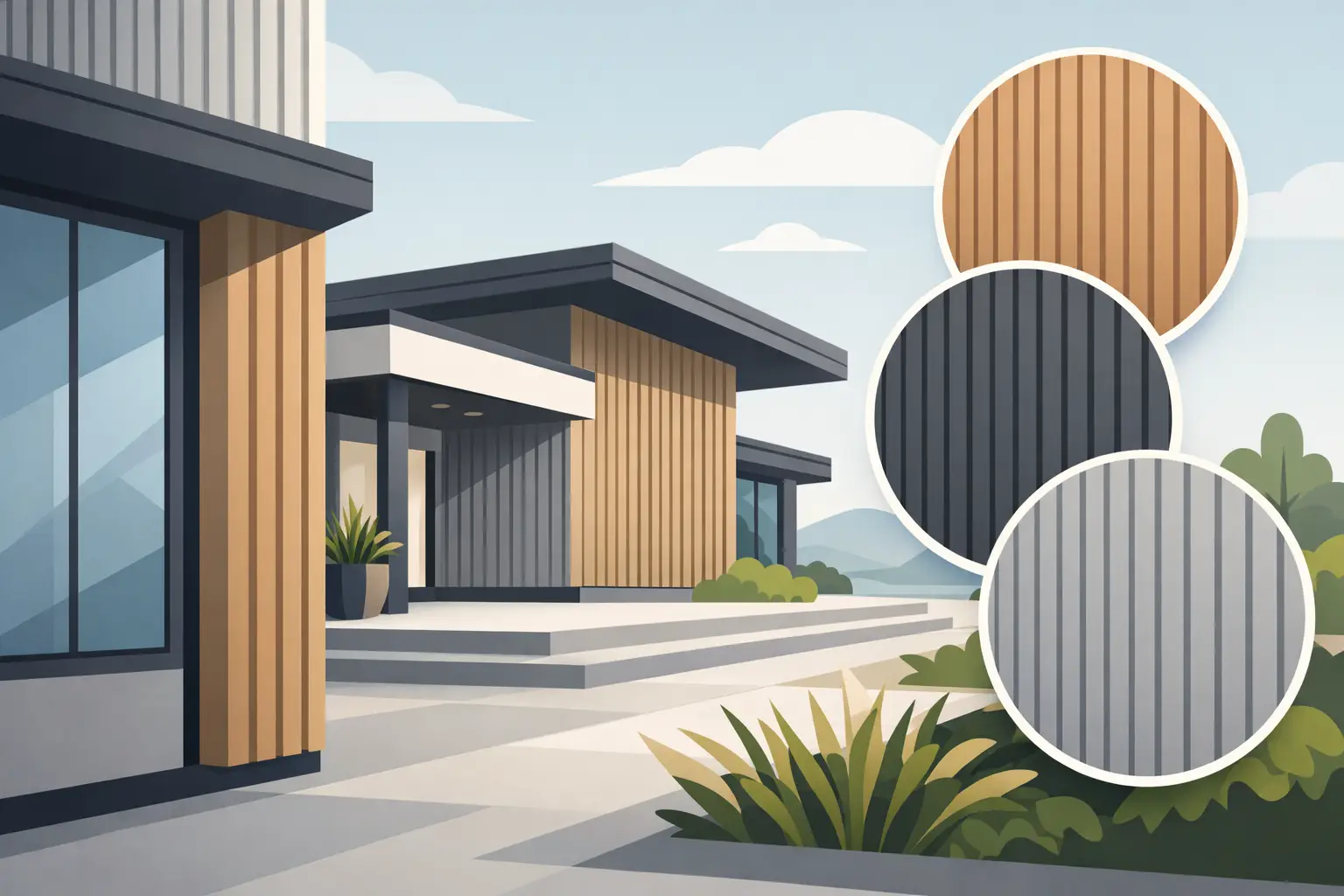
A flat facade can make a new build look unfinished, even when the rest of the envelope is performing exactly as it should. That is why fluted wall panels exterior applications have gained so much traction in both residential and commercial projects. They add depth, shadow lines, and architectural definition while still meeting the practical demands builders, architects, and owners expect from modern cladding systems.
Used well, fluted panels do more than improve curb appeal. They can help create a cleaner facade rhythm, elevate entry features, and give large wall sections more scale and visual interest. For specifiers and contractors, the real value is that the right panel system balances design flexibility with weather resistance, durability, and manageable maintenance.
Why fluted wall panels exterior systems stand out
Fluted panels create a repeating vertical or linear profile that changes with light throughout the day. On a simple boxy structure, that texture can make the building feel more intentional. On a high-end custom home or a commercial frontage, it can sharpen the design language without relying on overly complicated details.
That visual impact is only part of the reason they are being specified more often. Exterior wall systems have to work hard. They need to hold up against moisture, UV exposure, temperature swings, and everyday wear. If a decorative material looks good for one season and starts fading, warping, or staining after that, it quickly becomes a problem instead of an upgrade.
This is where material quality matters. Well-manufactured fluted exterior panels are designed to deliver a consistent finish, long-term dimensional stability, and better resistance to weathering than many traditional finish materials. For owners, that often means less repainting, less patchwork, and a more predictable appearance over time.
Where fluted wall panels exterior products work best
The most successful applications usually treat fluted panels as a feature within the overall envelope, not as an afterthought. They work especially well around front elevations, covered entries, porch walls, soffits, parapet sections, exterior columns, and commercial storefront facades. In multifamily or mixed-use work, they can break up large elevations and help define amenity areas or primary entrances.
On residential projects, fluted panels are often used to add warmth and dimension to modern and transitional designs. They pair well with large glazing, smooth stucco, fiber cement, stone, and metal trim. On commercial buildings, they can help create a more premium exterior presence without introducing a high-maintenance cladding package.
That said, full-building coverage is not always the best move. In some projects, too much surface texture can overwhelm the architecture or make detailing more difficult at corners and transitions. Often, a more restrained approach delivers a better result and keeps installation more efficient.
Material selection matters more than the profile
The profile is what draws attention first, but performance comes from the substrate, finish, and system design. This is where buyers need to look past appearance and ask harder questions about how the panel will behave once it is exposed to real jobsite and climate conditions.
For exterior use, common priorities include impact resistance, moisture resistance, UV stability, color retention, and ease of cleaning. Weight is also important, especially when coordinating with substructure requirements and labor considerations. A panel that looks impressive in a showroom but creates avoidable complexity in the field can slow down installation and increase risk.
Finish quality is another key point. Exterior panels should maintain a uniform appearance across production runs and elevations. If the facade includes multiple exposures to sun, wind, and rain, the finish needs to hold up consistently. Specifiers should also confirm whether custom colors, sizes, and finishes are available, because that flexibility can make a major difference when matching a broader exterior palette.
Design considerations before you specify
Fluted panels can be very forgiving visually, but they still demand careful planning. Profile depth, panel width, joint layout, and orientation all affect the final look. Vertical fluting is the most common choice because it naturally emphasizes height and gives facades a clean, contemporary rhythm. Horizontal applications can work too, but they often require more restraint and stronger detailing to avoid making the elevation feel too busy.
Shadow lines are part of the appeal, so panel spacing and alignment should be considered early. If window heads, sills, trims, and reveals do not line up with the panel layout, the finished facade can feel disjointed even if the material itself is high quality. This is especially important on commercial elevations where repetition and consistency are a major part of the architecture.
Color selection also changes the effect. Darker finishes tend to emphasize depth and create stronger contrast through the fluted profile. Lighter tones deliver a softer, more subtle texture. Neither is universally better. The right choice depends on the building scale, sun exposure, surrounding materials, and how much visual emphasis the facade should carry.
Installation and detailing affect long-term performance
Even the best panel will underperform if the system is installed poorly. Exterior cladding always depends on proper substrate preparation, fastening methods, waterproofing strategy, and transition detailing. Fluted profiles add another layer of consideration because joints, corners, and terminations are more visible than they are with flat panels.
Installers need a clear plan for movement, drainage, and attachment. Depending on the system, that may include rainscreen principles, ventilated assemblies, or specific backing requirements. On projects in freeze-thaw climates or heavy rain zones, those details are not optional. They directly affect how well the facade performs over time.
Corners deserve particular attention. A sloppy corner treatment can weaken the entire design. The same is true for penetrations, lighting integration, and transitions into windows, doors, and soffits. Clean detailing protects both the appearance and the weather resistance of the assembly.
For that reason, many project teams prefer working with suppliers that can provide specification-ready guidance instead of simply shipping material. A consultative approach reduces the chance of design intent getting lost between submittals and field installation.
Maintenance expectations and real-world trade-offs
One reason fluted panels are appealing is that they can reduce maintenance compared with painted wood or other finish materials that demand frequent upkeep. But low maintenance does not mean no maintenance. Exterior surfaces still collect dirt, airborne pollutants, and runoff staining, especially in urban settings or near landscaping.
The profile itself can influence cleaning frequency. Deeper grooves may trap more debris than flatter profiles, particularly on lower wall sections. In most cases, routine washing is enough to keep the facade looking sharp, but the cleaning plan should match the building type and environment.
There are also trade-offs between visual drama and simplicity. A highly pronounced flute profile can create a strong design statement, but it may require more precise detailing and a more careful cleaning routine. A subtler profile may be easier to integrate across larger elevations while still adding enough texture to break up flat surfaces. It depends on the project goals, budget, and maintenance expectations.
Choosing the right supplier for exterior fluted panels
Product selection should not stop at sample approval. Contractors, architects, and owners need confidence that the supplier understands exterior applications, lead times, finish consistency, and customization requirements. That is especially true when the project calls for nonstandard colors, dimensions, or coordinated trim conditions.
A dependable supplier should be able to discuss performance characteristics in practical terms, not just marketing language. They should also help project teams think through compatibility with adjacent systems, installation conditions, and the visual goals of the facade. First Class Building Products serves this part of the market by focusing on premium, specification-ready materials that combine design flexibility with long-term exterior performance.
That support matters because exterior cladding decisions are rarely isolated. They affect scheduling, labor, building appearance, maintenance planning, and owner satisfaction long after the installation is complete.
When fluted panels are the right choice
Fluted exterior panels make the most sense when a project needs more than a basic finish but still requires dependable performance. They are a strong option for builders and designers who want a facade with depth and clean architectural character without moving into overly fragile or high-maintenance materials.
They are not a one-size-fits-all answer. On some buildings, a flat panel system may be more appropriate for budget, detailing simplicity, or design clarity. But when the goal is to create a sharper, more refined exterior with durable materials and low ongoing upkeep, fluted panels are often one of the most effective ways to get there.
The smartest specifications usually come from balancing appearance with buildability. If the panel system fits the climate, the detailing is handled properly, and the finish is chosen with long-term performance in mind, the facade can keep delivering value long after the punch list is closed.


Leave a Reply