


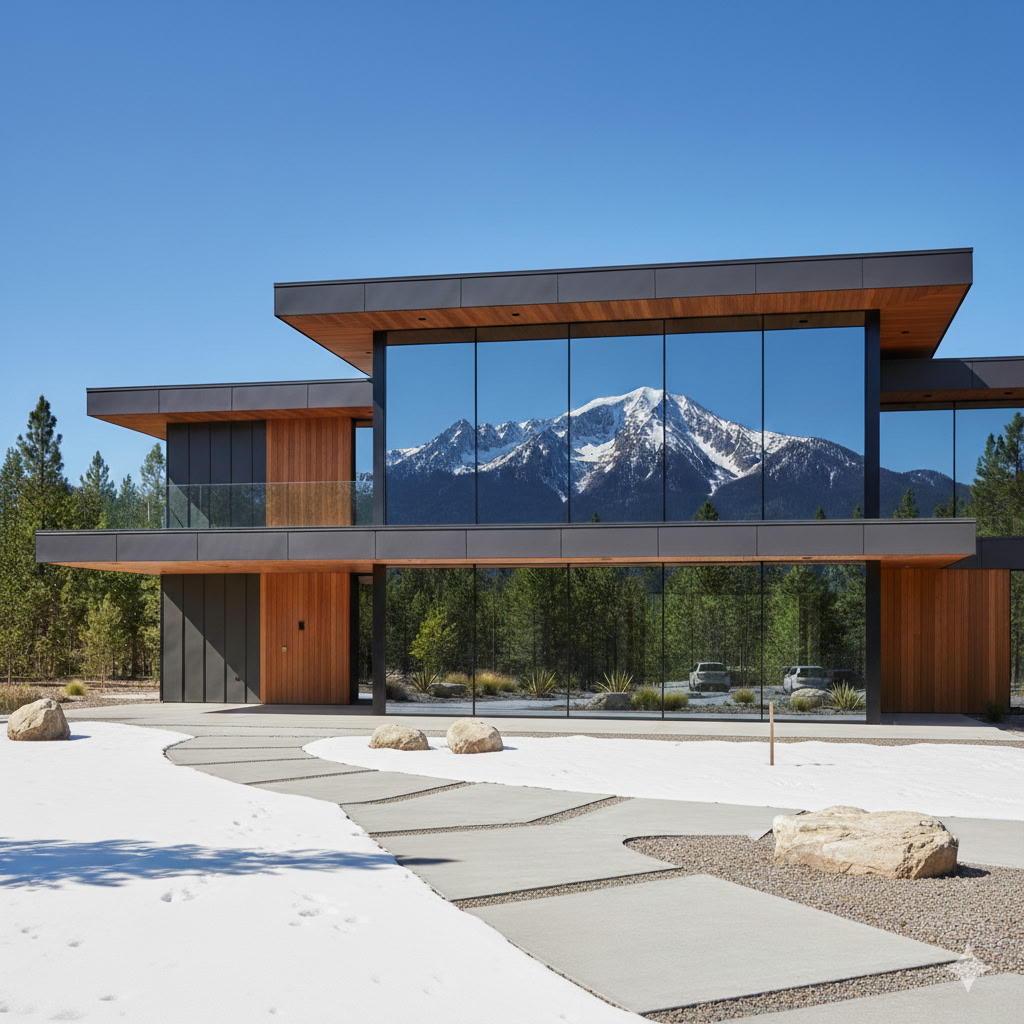
A facade that looks sharp on day one but starts showing oil-canning, fading, or water-related issues a few seasons later is expensive in all the wrong ways. That is why acm panels for exterior walls keep showing up in commercial projects, mixed-use developments, retail buildings, and high-end residential work. They offer a clean architectural finish, dependable weather performance, and more design flexibility than many traditional cladding options.
For builders, architects, and property owners, the appeal is straightforward. You want a wall system that helps the building look current, stay protected, and avoid constant upkeep. ACM panels can do that well, but only when the material, finish, fabrication, and installation details are matched to the project.
What ACM panels for exterior walls actually are
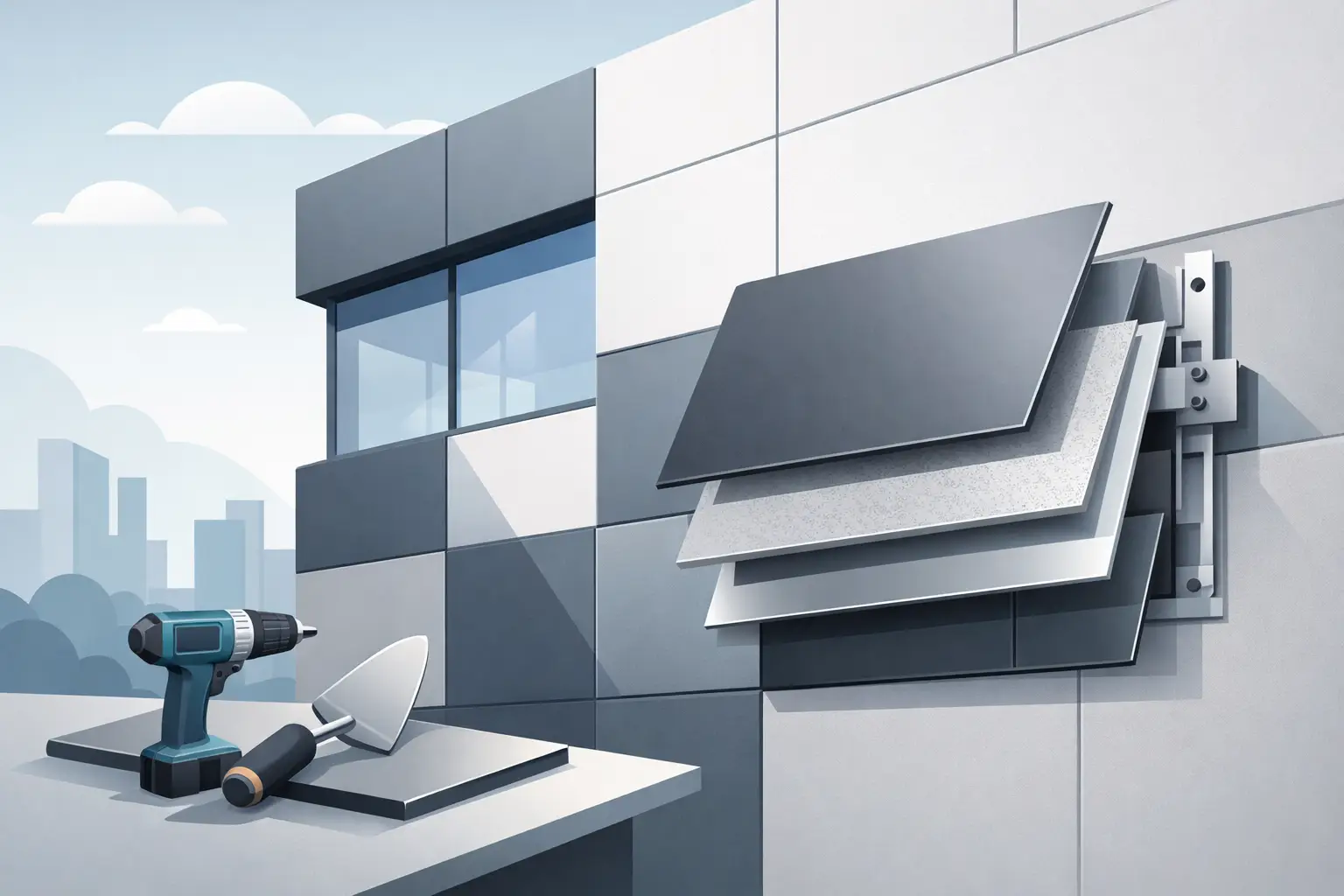
ACM stands for aluminum composite material. These panels are typically made with two thin aluminum sheets bonded to a core material, creating a lightweight but rigid panel that performs well as an exterior cladding solution. The finished surface can be produced in a wide range of colors, gloss levels, and specialty finishes, which makes ACM a practical choice when appearance matters as much as weather resistance.
Compared with solid plate aluminum, ACM is lighter and often more economical for large facade areas. Compared with fiber cement, stucco, or some traditional siding products, it delivers a more uniform modern look with less visible variation across the elevation. That consistency is a major reason designers specify it for contemporary buildings and branded commercial spaces.
It is also worth separating ACM from generic metal panels. Not every metal facade panel offers the same flatness, fabrication flexibility, or finish options. ACM is often selected because it can be routed, folded, and formed into crisp shapes that support a cleaner finished appearance.
Why ACM is popular on modern facades
The first reason is visual control. ACM panels give architects and builders the ability to create smooth planes, sharp corners, and organized joint lines. That matters on projects where the exterior needs to look intentional rather than pieced together from standard siding profiles.
The second reason is performance. Exterior walls are exposed to sun, rain, wind, freeze-thaw cycles, airborne pollutants, and temperature swings. A quality ACM panel system is built to handle those conditions while resisting corrosion, chalking, and premature wear. That does not mean every panel performs the same. Core composition, coating quality, and fabrication standards all affect long-term results.
The third reason is maintenance. Most project owners are not looking for a facade that demands repainting, patching, or frequent surface treatment. ACM is known for being relatively easy to maintain, which can lower lifecycle costs over time. On commercial properties in particular, that practical advantage matters just as much as appearance.
Performance benefits of ACM panels for exterior walls
Durability is the headline benefit, but it is not the only one. ACM panels are valued because they balance structural practicality with finish stability.
Weather resistance
A properly specified ACM system performs well in demanding exterior conditions. The aluminum faces resist moisture-related deterioration, and high-quality finishes help the surface stand up to UV exposure and color fading. In climates with heavy sun, wind-driven rain, or seasonal freeze-thaw movement, that reliability can make a meaningful difference in long-term facade performance.
Lightweight construction
Because ACM is lighter than many alternative cladding materials, it can simplify handling and reduce some structural demands. That can be especially helpful in retrofit applications or projects where installation efficiency matters. Lighter material does not mean lower quality. In many cases, it means faster fabrication, easier transport, and cleaner installation sequencing.
Design flexibility
This is where ACM stands apart. Panels can be fabricated in custom sizes, shapes, and finishes to support both standardized and highly tailored designs. For builders and architects trying to align performance with branding or a specific design language, that flexibility is a strong advantage. Custom colors, metallics, matte finishes, wood-look options, and other specialty appearances make ACM useful across a broad range of architectural styles.
Low maintenance
ACM does not eliminate maintenance entirely, but it reduces it. Routine cleaning and periodic inspection are usually enough to keep the facade performing and looking presentable. That is a very different maintenance profile from materials that may crack, absorb moisture, or require more frequent refinishing.
Where ACM makes the most sense
ACM works particularly well on commercial exteriors, multifamily buildings, institutional projects, and premium residential designs where visual consistency is a priority. It is often used on facade accents, entry features, parapets, column covers, soffits, and full wall elevations.
For commercial developers, ACM can help create a polished exterior with brand-friendly color control and a more upscale finish. For residential projects, it is often chosen to add a modern architectural edge without introducing a high-maintenance cladding system.
That said, it is not a one-size-fits-all answer. Some projects may be better served by insulated metal panels, solid aluminum, fiber cement, masonry systems, or other claddings depending on budget, code requirements, wall assembly design, and desired impact resistance. The right decision usually comes down to the building type, the climate, and the finish expectations.
Key specification points to get right
Choosing ACM based on appearance alone is where problems start. The panel may look similar across suppliers, but specification details determine whether it performs as expected.
Finish quality
The coating system matters. Exterior applications typically call for high-performance finishes designed to resist fading, chalking, and surface degradation. If the finish is not suited for long-term outdoor exposure, the facade can lose its visual value much sooner than expected.
Fire performance and code compliance
This is not optional. Exterior wall assemblies must meet applicable building code requirements, and core type plays a major role in fire performance. Project teams should confirm that the selected panel system aligns with local code, occupancy type, building height, and assembly requirements before finalizing material selections.
Fabrication and attachment system
ACM performance is tied to how the panels are fabricated and installed. Joint spacing, backing conditions, fastening methods, expansion allowance, and moisture management all need to be considered. A quality material can still underperform if the attachment system or detailing is wrong.
Panel layout and sizing
Good panel design is about more than maximizing sheet yield. Large-format panels may reduce visible joints, but they can also affect handling, alignment, and field tolerances. Smaller modules may improve installation control but change the visual rhythm of the facade. This is where experienced supplier guidance adds value.
Common concerns and realistic trade-offs
One of the most common questions is whether ACM dents. Like many metal-based claddings, it can be damaged by significant impact. If the building is in a location with high abuse potential, such as lower-level public-facing areas or service zones, material selection and panel placement should account for that.
Another consideration is cost. ACM is often a premium-looking solution, but pricing depends on finish selection, custom fabrication, system complexity, and quantity. It may cost more upfront than some basic cladding products. The trade-off is that it can offer better visual quality, lower maintenance, and stronger long-term value when specified correctly.
There is also the issue of detailing. ACM rewards precision. It tends to look best when the surrounding design elements, reveals, transitions, and trim conditions are resolved carefully. On a rushed or poorly coordinated elevation, the final result may not deliver the clean architectural look the material is known for.
How to choose the right supplier
For project teams, the supplier matters almost as much as the panel. You need more than a catalog of finish options. You need a partner who understands exterior envelope performance, fabrication constraints, and the realities of field installation.
Look for a supplier that can support custom sizes, colors, and finishes while also helping you think through application details. That combination is especially useful when the design intent is specific and the schedule is tight. First Class Building Products serves this part of the process by focusing on specification-ready materials backed by practical product knowledge.
The goal is not just to buy panels. It is to source a facade solution that fits the building, the budget, and the installation conditions without creating avoidable issues later.
Why ACM continues to be a strong exterior wall option
ACM remains a preferred cladding choice because it solves several jobsite and ownership priorities at once. It gives designers a refined appearance, helps contractors work with a lightweight and fabricable material, and gives owners a durable exterior that does not demand constant attention.
When specified with the right finish, code compliance, and installation system, ACM panels can deliver lasting value on both commercial and residential projects. The best results come from treating the material as part of a complete wall strategy, not just a decorative skin.
If your project needs an exterior finish that balances modern aesthetics, weather resistance, and practical long-term performance, ACM is worth serious consideration – especially when the details are handled early, not after submittals are already on the table.


Leave a Reply