


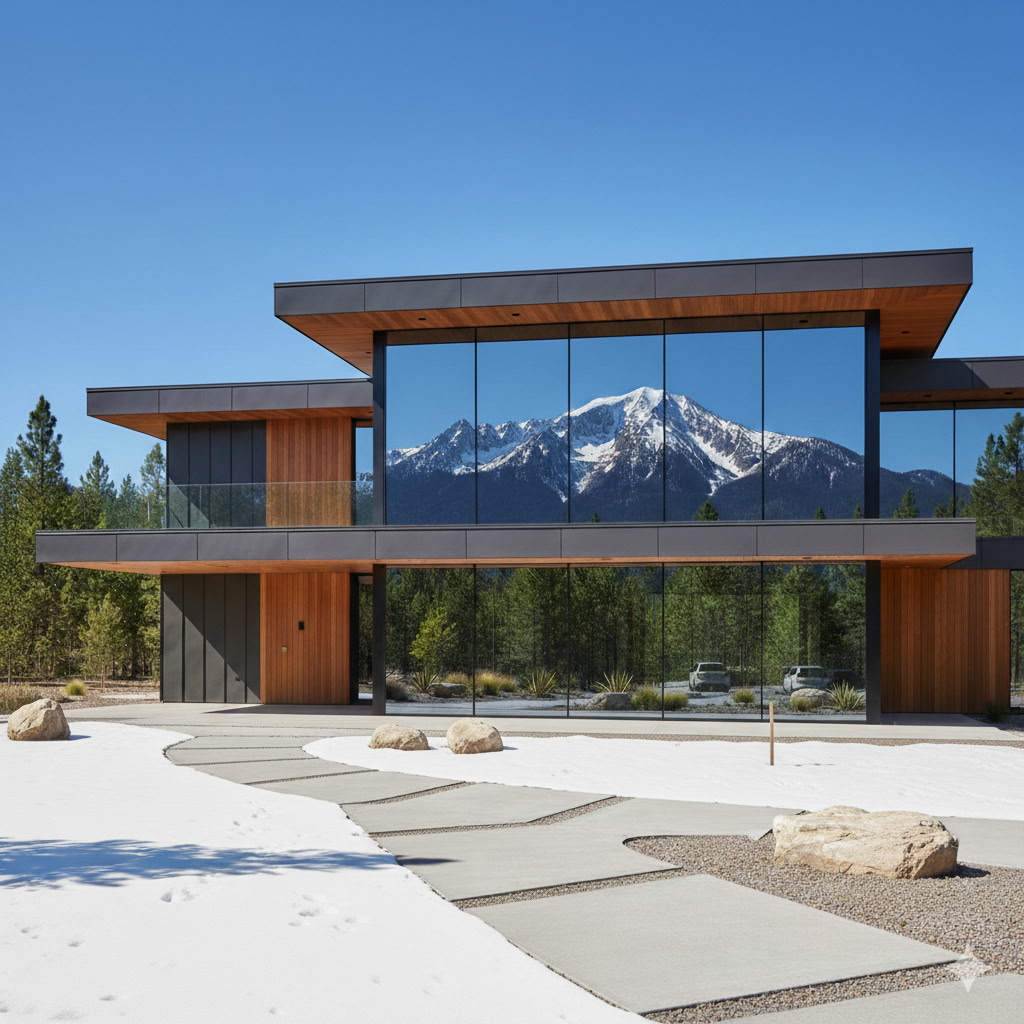

A window can be visually impressive and still underperform where occupants feel it most: beside the glass. The decision between double versus triple glazing affects indoor comfort, HVAC demand, exterior noise, condensation risk, and the overall performance of the building envelope. For builders, architects, developers, and homeowners, the right choice is not simply the window with the most panes. It is the glazing system that fits the climate, façade design, budget, frame construction, and project performance goals.
What Changes Between Double and Triple Glazing?
Double-glazed windows use two panes of glass separated by one sealed insulating space. Triple-glazed windows use three panes and two insulating spaces. Those spaces are commonly filled with argon gas, although higher-performance systems may use krypton in narrow cavities. Low-emissivity, or Low-E, coatings are also applied to selected glass surfaces to manage heat transfer and solar gain.
That added pane in a triple-glazed unit creates another thermal barrier. In practical terms, triple glazing usually delivers a lower U-factor, meaning less heat moves through the window assembly. It can also improve the interior surface temperature of the glass during cold weather, which makes rooms near windows more comfortable and can reduce interior condensation under normal operating conditions.
However, glass is only one part of a window. Frame material, sash design, spacer quality, weatherstripping, installation details, and air leakage all influence real-world results. A well-specified double-pane window with a quality frame and careful installation can outperform a poorly made or poorly installed triple-pane unit.
Double Versus Triple Glazing: Performance Differences
The most meaningful comparison begins with thermal performance. A typical high-performance double-pane window may achieve a whole-window U-factor in the low 0.30s or better, depending on the frame, coatings, and glass configuration. Triple-pane products can often reach the low 0.20s or below. Exact values must be verified by the manufacturer for the complete window, not just the center-of-glass rating.
For cold climates, that improvement can be substantial. Triple glazing reduces conductive heat loss and keeps interior glass surfaces warmer. This is especially valuable on large window walls, north-facing openings, bedrooms, living areas, and other locations where people sit close to the glass for extended periods.
Solar heat gain is more nuanced. A triple-pane unit does not automatically provide the best solar performance. The coating package and glass selection determine the solar heat gain coefficient, or SHGC. In a cold northern climate, a higher SHGC on selected south-facing windows may help capture useful winter sun. In hot or mixed climates, lower SHGC glass can limit unwanted summer heat gain. The correct specification balances U-factor and SHGC by orientation instead of applying one glass package to every elevation.
Triple glazing can also improve sound control, but the third pane alone is not the full answer. Sound transmission is affected by glass thickness, pane spacing, laminated glass, frame construction, and installation gaps. A window with varied glass thicknesses or laminated glass may outperform a standard triple-pane unit for traffic, aircraft, or commercial-area noise. For projects near major noise sources, request acoustic ratings rather than assuming triple glazing will solve the problem.
Where Triple Glazing Makes the Most Sense
Triple glazing is generally a strong fit for projects in northern heating climates, high-elevation locations, and exposed sites with long, cold winters. It supports high-performance residential construction, multifamily buildings pursuing lower energy use, and projects where occupant comfort is a defining requirement.
It is also worth considering when the design includes expansive glazing. Large openings naturally create more potential for heat loss or heat gain than insulated wall assemblies. Improving window performance becomes more valuable as the glass area increases, particularly when the glazing is part of a premium architectural feature rather than a small punched opening.
For homeowners, the benefit is often felt before it is calculated. A warmer interior glass surface means less radiant chill near the window. Rooms may feel more consistent from wall to wall, reducing the tendency to turn up the thermostat simply because the perimeter zone feels cold.
Triple-pane systems can also support condensation management. Condensation is driven by indoor humidity, exterior temperature, and interior surface temperature. Triple glazing raises the glass surface temperature, but it does not eliminate the need to manage indoor humidity or address air leakage. In a tight new home, proper ventilation remains essential.
When Double Glazing Is the Better Specification
High-quality double glazing remains the practical choice for many North American projects. In warm climates where cooling demand and solar control are the primary concerns, the incremental thermal benefit of triple glazing may not justify its added cost, weight, and lead time. A double-pane system with the right Low-E coating and low SHGC can be highly effective.
Budget also matters. Triple-pane windows typically cost more because they require additional glass, spacers, sealing, and stronger hardware or frame engineering. The installed cost premium varies by manufacturer, size, operating style, and customization. On a project with dozens or hundreds of openings, that difference needs to be evaluated against energy targets, long-term operating costs, and expected ownership duration.
Window weight is another consideration. Triple-pane insulating glass units are heavier, particularly in large operable sashes. That can affect hardware selection, sash dimensions, installation handling, and long-term operation. Premium window systems are engineered for this load, but it should be addressed during specification rather than after the openings are framed.
For renovations, double glazing can be the sensible solution when existing wall conditions, structural limits, or budget constraints do not support a higher-cost replacement system. The improvement over older single-pane or failed insulated glass can still be dramatic when the new windows are correctly installed and air-sealed.
Do Not Specify Glass Without Reviewing the Whole Window
A reliable glazing decision starts with verified whole-unit performance. Center-of-glass numbers can make a product look stronger than it will perform once the frame and edge spacer are included. Review certified U-factor, SHGC, visible transmittance, air leakage, and condensation resistance data for the exact product configuration under consideration.
Frame selection deserves equal attention. Aluminum frames offer strength, clean sightlines, and durability, but thermal breaks are critical where energy performance is a priority. Vinyl, fiberglass, wood, and composite frames each offer different benefits in insulation, maintenance, structural capacity, and appearance. The best choice depends on the building type, opening size, exposure, and architectural requirements.
Installation is where performance is either protected or lost. A high-performance glazing package will not compensate for an out-of-square opening, missing flashing, poor perimeter air sealing, or incompatible sealants. The window must be integrated with the water-resistive barrier, sill pan, drainage plane, insulation layer, and exterior cladding strategy. This is particularly important for commercial façades and high-exposure residential elevations.
A Practical Specification Process
Start with climate zone and orientation. Identify which elevations receive intense afternoon sun, which openings face prevailing weather, and where occupants need the highest comfort. Then establish the project objective: code compliance, lower utility costs, improved comfort, noise reduction, condensation control, or a high-performance certification target.
Next, compare complete window options using the same opening sizes and operating styles. A fixed picture window, casement, sliding window, and patio door will not carry the same performance values even within one product line. Confirm that the selected frame, glass package, grille configuration, and hardware are included in the stated ratings.
Finally, weigh the installed premium against the project value. Triple glazing is often justified when it protects comfort, reduces heating loads, supports large areas of glass, or helps meet a demanding envelope target. Double glazing is often the better value when solar control, dependable weather resistance, and a balanced project budget are the main priorities.
First Class Building Products helps project teams evaluate window and door options as part of the full exterior envelope, where glazing, framing, cladding, and installation details must perform together. The strongest specification is rarely the most expensive component on paper. It is the one that delivers dependable comfort, durability, and appearance for the conditions the building will actually face.


Leave a Reply