


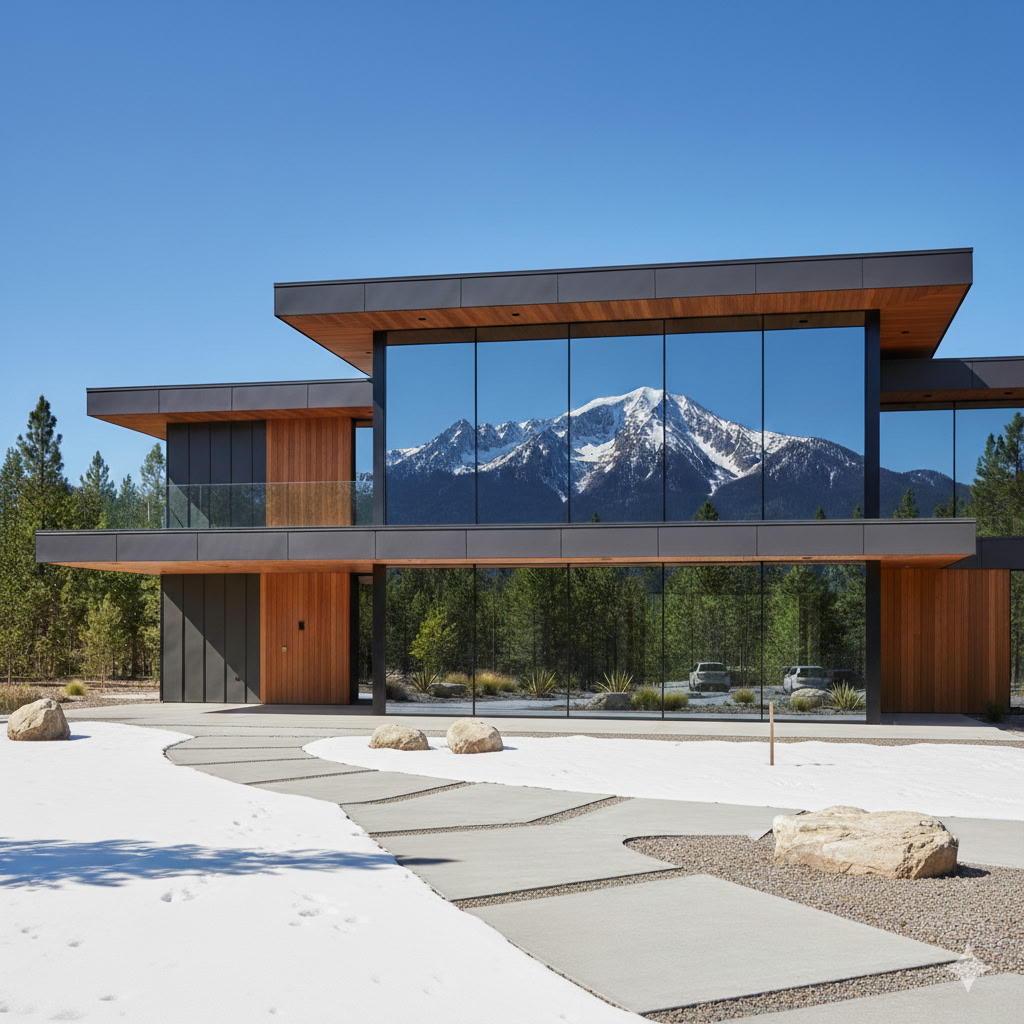

When a facade starts staining, joints begin to fail, or heat loss shows up in the utility bill, the problem is rarely just cosmetic. The best materials for building envelope work are the ones that hold up under weather, control moisture, improve thermal performance, and still deliver the look the project demands. For builders, architects, and owners, that means choosing materials as a system rather than selecting each component in isolation.
What matters most when choosing the best materials for building envelope projects
A high-performing building envelope has to manage four things at once: water, air, heat, and long-term wear. If one layer underperforms, the rest of the assembly has to work harder. That is why material selection should always start with the building type, climate zone, exposure level, maintenance expectations, and design intent.
In a cold climate, thermal breaks and glazing performance may drive the decision. In a coastal or high-wind market, corrosion resistance and impact durability move to the top of the list. For a multifamily or mixed-use project, fire performance, code compliance, installation speed, and finish consistency can be just as important as insulation value.
There is no single material that wins in every category. The right choice usually comes down to balancing aesthetics, budget, service life, and installation complexity.
Exterior cladding materials that perform
Cladding is the most visible part of the envelope, but appearance alone is not enough. The surface material has to resist weather, maintain dimensional stability, and protect the wall assembly behind it.
ACM panels
Aluminum composite material panels remain one of the strongest options for modern envelope design. They offer a clean architectural finish, low maintenance, good flatness, and strong resistance to moisture and corrosion. For commercial facades, retail exteriors, and contemporary residential designs, ACM panels give architects design flexibility without the weight of many traditional alternatives.
Their main advantage is consistency. They can be fabricated into crisp forms, support custom colors and finishes, and create a refined look across large wall areas. That matters on projects where visual quality and long-term finish performance both need to hold.
The trade-off is that specification matters. Not every ACM product is equal in core composition, finish quality, or fire performance. For code-sensitive applications, especially in larger commercial work, panel selection should be tied closely to tested assemblies and local requirements.
Solid aluminum panels
Solid aluminum panels are often chosen when projects need added durability, higher impact resistance, or a non-composite panel option. They perform well in demanding exterior conditions and are especially useful where long-term rigidity and custom fabrication are priorities.
Compared with ACM, they can carry a higher upfront material cost, but they also bring excellent durability and a premium appearance. On high-visibility buildings, that can be a worthwhile investment.
Fluted and architectural metal panels
Fluted panels and other architectural metal systems are increasingly used when the building envelope needs texture and visual depth without sacrificing performance. These products can add a distinct identity to commercial facades, entry features, and accent walls while still delivering the weather resistance expected from metal cladding.
The practical advantage is that they combine design value with durability. The key consideration is detailing. Profiles, joints, and attachment systems need to be coordinated carefully so the finished wall performs as well as it looks.
Windows and doors are critical envelope materials
Even the best wall assembly can underperform if the glazing package is weak. Windows and doors are among the most important materials in any building envelope because they affect air leakage, water penetration, solar heat gain, occupant comfort, and acoustic performance.
High-quality aluminum or European-designed window and door systems are often preferred for projects that need a stronger balance of energy efficiency and modern aesthetics. Multi-chamber frames, quality gaskets, thermal breaks, and high-performance glazing all contribute to a tighter envelope.
For residential builds, that can mean better comfort and lower energy use. For commercial applications, it can improve occupant experience while helping the project meet performance targets. The mistake many teams make is focusing only on glass type while overlooking frame design and installation quality. The full unit matters.
In harsher climates, investing in better fenestration usually pays off. In milder regions, there may be more room to optimize around budget. Either way, poor-quality windows and doors create problems that are expensive to correct later.
Glass selection affects more than appearance
Glass plays a major role in the building envelope, especially on storefronts, entrances, and highly glazed facades. Beyond transparency and style, glass selection influences energy performance, occupant comfort, glare control, and safety.
Insulated glass units with appropriate coatings can reduce heat transfer and improve interior comfort throughout the year. Laminated or tempered options may be needed for impact resistance, security, or code compliance. In some designs, larger glazed sections are worth the investment because they elevate the space and support natural light. In others, too much glass can increase cooling loads and complicate performance goals.
That is where specification discipline matters. The best material choice is not necessarily the most transparent or the most expensive. It is the glass package that supports the building’s orientation, use, and climate.
Secondary envelope materials still matter
The main facade products get the most attention, but envelope performance also depends on supporting materials that control water and thermal movement.
Insulation, air barriers, weather-resistive barriers, sealants, and fastening systems all influence how well the assembly performs over time. A premium panel system installed over a weak moisture or air-control strategy will not deliver the expected result. Likewise, a well-designed facade can lose performance quickly if sealants break down or incompatible materials create movement issues.
This is where experienced product guidance becomes valuable. The best outcomes happen when visible finish materials and supporting envelope components are selected as part of the same performance conversation.
How to choose the best materials for building envelope performance
The most reliable way to choose materials is to narrow the decision around project demands instead of broad product categories. Start with exposure. Is the building dealing with freeze-thaw cycles, heavy rain, coastal air, intense sun, or high winds? Then consider the use case. A luxury custom home, a multifamily development, and a commercial storefront may all need very different envelope priorities.
Next, look at maintenance. Some materials look strong on day one but become expensive to maintain over the life of the building. Others cost more upfront and save money later through durability, finish retention, and lower service demands. For many owners and developers, that long-view cost is the better metric.
Aesthetic flexibility also matters. Projects increasingly need custom colors, sizes, textures, and coordinated finishes. Materials that can be tailored without sacrificing performance have a clear advantage. That is one reason many design and construction teams turn to architectural metal panels, advanced glazing systems, and custom-fabricated exterior products.
Finally, think about installation. Even premium materials can underperform if they are difficult to coordinate in the field. Products that arrive specification-ready, with reliable support and clear detailing, help reduce delays and avoid preventable envelope failures.
A practical material mix for modern envelope design
For many North American residential and commercial projects, a strong envelope solution often includes architectural metal cladding such as ACM or solid aluminum panels, high-performance windows and doors with thermal breaks, and properly specified insulated glass. That combination gives teams a durable exterior, modern design flexibility, and dependable weather resistance.
The exact mix should still be shaped by budget, code, climate, and design goals. A commercial facade may benefit from large-format panels and expansive glazing. A custom home may place more value on thermal comfort, refined detailing, and lower maintenance over time. The point is not to force one answer onto every project. It is to choose materials that work together and hold their performance after installation.
At First Class Building Products, that approach is central to how materials are evaluated and recommended. Products should not only look right on submittals. They should perform in real conditions, meet the design brief, and help the project stay strong long after turnover.
The best building envelope decisions usually come from asking a simple question early: which materials will still be doing their job ten or fifteen years from now, with minimal compromise in appearance or performance? That is the standard worth building around.

Leave a Reply