


A facade can look finished on installation day and still become a long-term liability if the cladding cannot handle moisture, movement, UV exposure, or routine jobsite wear. The best exterior wall cladding is not simply the material with the most appealing finish. It is the system that fits the building type, local climate, wall assembly, code requirements, budget, and maintenance expectations.
For builders, architects, developers, and property owners, the decision affects more than curb appeal. Exterior cladding helps protect the wall assembly, shapes the building’s identity, influences maintenance costs, and can affect the speed and precision of installation. A well-specified product delivers a clean finish while supporting a durable, properly detailed exterior envelope.
What Makes Exterior Wall Cladding a Strong Choice?
Cladding is the visible outer layer of a building envelope, but it should never be evaluated as a cosmetic surface alone. Its primary job is to manage exposure from rain, wind, sunlight, temperature changes, and physical impact. The best-performing projects treat the cladding, attachment system, drainage plane, flashings, insulation, and air barrier as connected components rather than separate decisions.
Material durability matters, but so does the ability to detail the system correctly. A premium panel installed without appropriate clearances, flashings, or drainage provisions will not perform as intended. Conversely, a practical material with a well-designed rainscreen cavity and properly integrated weather-resistive barrier can offer dependable long-term protection.
The right selection should balance five project priorities: weather resistance, moisture management, appearance, maintenance, and installed cost. Fire performance, wind-load requirements, insulation strategy, and local code compliance may also be deciding factors, particularly on multifamily, hospitality, institutional, and commercial projects.
Best Exterior Wall Cladding Materials Compared
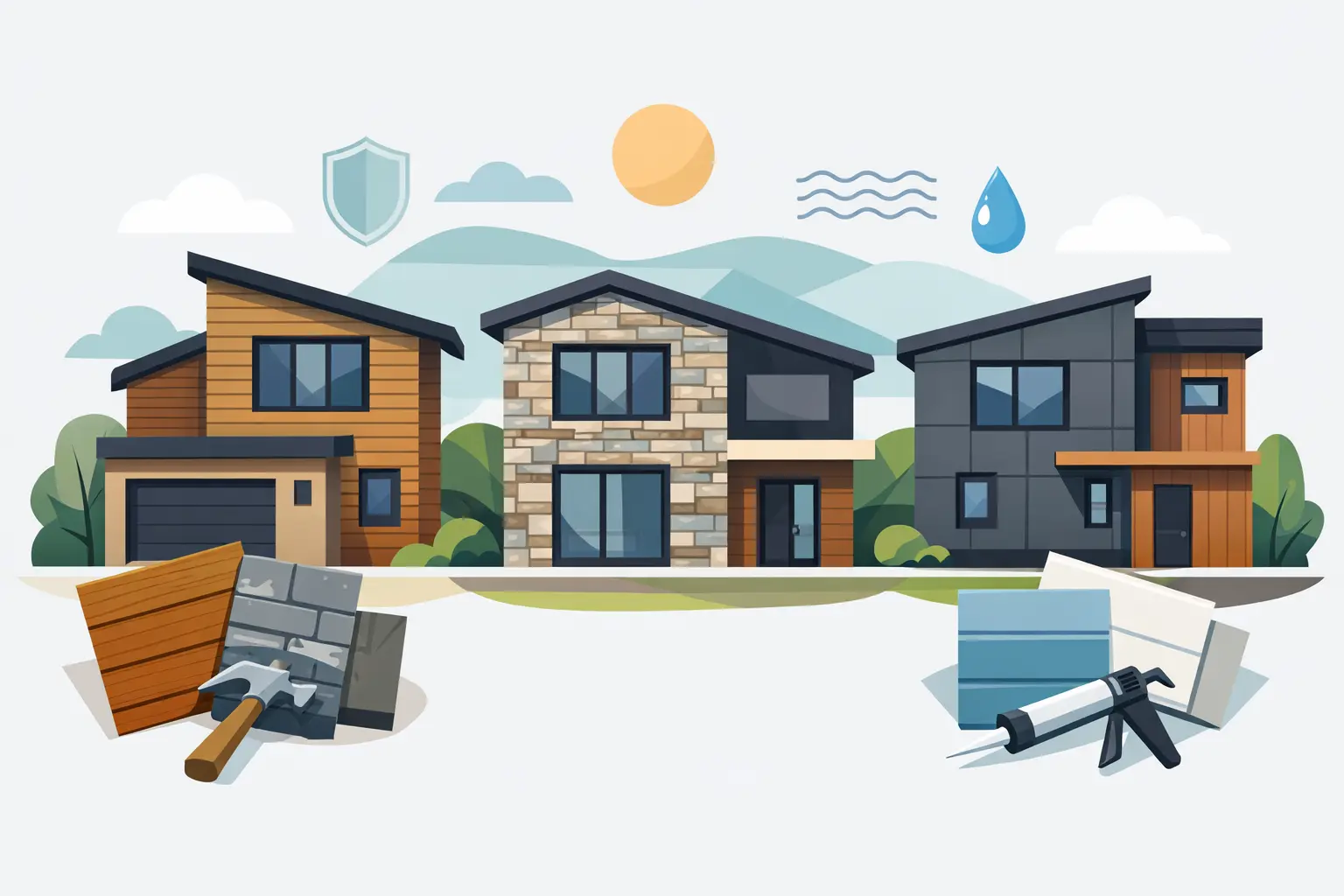
There is no single best material for every facade. Each option has distinct advantages, limitations, and ideal applications.
ACM Panels for Modern, Custom Facades
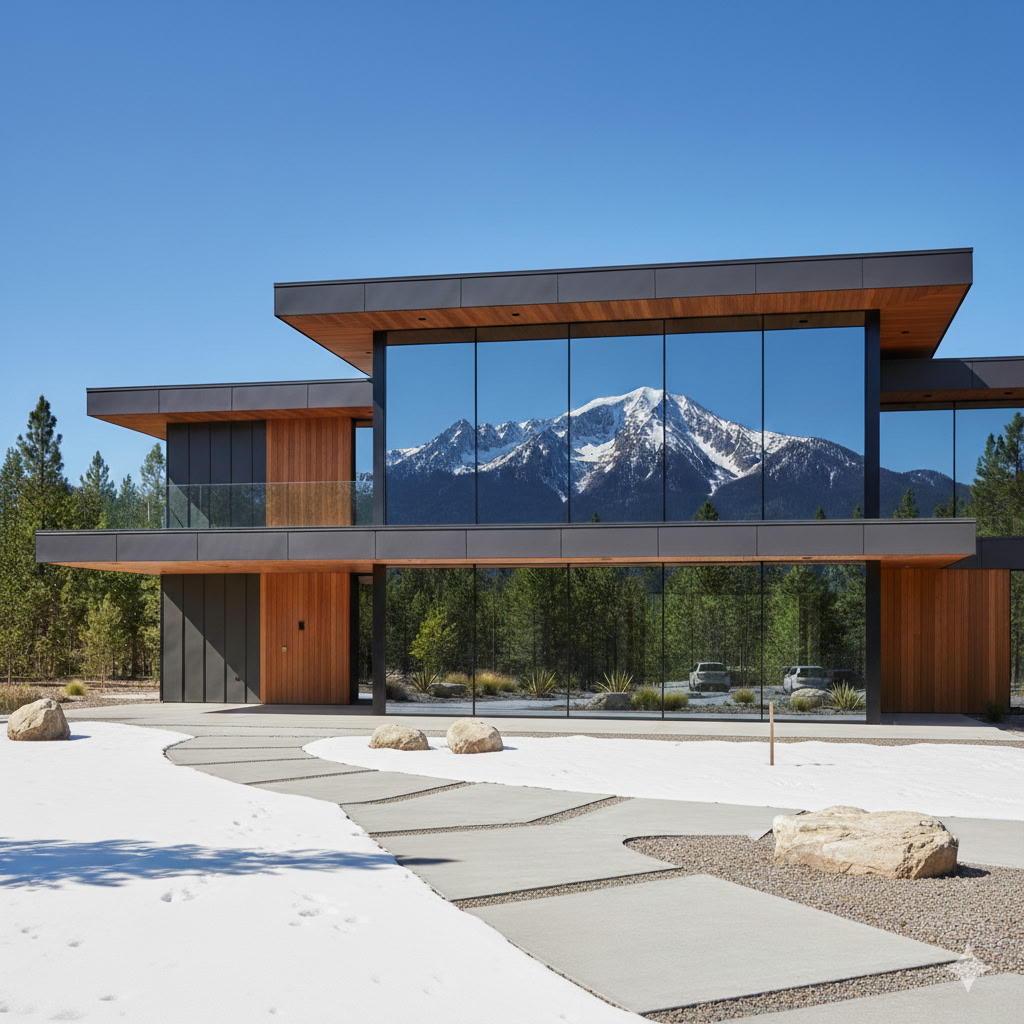
Aluminum composite material, commonly called ACM, is a strong choice for commercial facades, retail environments, multifamily exteriors, entrances, soffits, and feature walls. These panels provide a flat, refined appearance with extensive flexibility in colors, finishes, panel dimensions, and layout patterns. They are especially useful when a project calls for crisp lines and a contemporary architectural look.
Quality ACM systems are lightweight compared with many masonry alternatives and can support efficient fabrication and installation. Their finished aluminum faces offer good resistance to corrosion and weathering when properly specified for the environment. Panel joints, perimeter trims, attachment methods, and thermal movement must be planned carefully. On code-sensitive projects, the complete wall assembly and panel core must be reviewed for applicable fire requirements rather than assumed to be compliant based on appearance alone.
Solid Aluminum Panels for High-Exposure Areas
Solid aluminum panels offer the clean design potential of metal cladding with added material thickness and durability. They are well suited to facades that receive high wind, heavy weather exposure, or frequent public contact. Their resistance to rust makes them a practical consideration for coastal or high-humidity locations, provided the finish, fasteners, and adjacent materials are compatible with the environment.
Aluminum panels can be formed for corners, reveals, parapets, column covers, and custom details that are difficult to achieve with rigid, heavier materials. The trade-off is that premium metal systems require accurate field measurements, careful substrate preparation, and experienced installation. A flat panel will show irregular framing or inconsistent backing more readily than textured cladding.
Fiber Cement for Familiar Residential Performance
Fiber cement remains a widely used option for residential siding and certain light-commercial applications. It can provide the appearance of painted wood, lap siding, panels, or shingles while offering improved resistance to insects and rot compared with traditional wood cladding. It is a practical choice when a project needs a classic architectural style and a product familiar to local installers.
It does, however, require proper cutting procedures, flashing details, edge clearances, and finishing. Painted fiber cement may need repainting over its service life, especially in strong sun or harsh climates. It is not the lowest-maintenance option, but it can offer a dependable balance of appearance and cost when installed according to manufacturer requirements.
Brick and Stone for Weight and Permanence
Brick and stone create a substantial, durable facade with a timeless visual character. They are often selected for luxury residences, civic buildings, retail centers, and projects where impact resistance and long service life are major priorities. Masonry can also complement metal or panelized cladding by providing visual weight at lower elevations, entries, and public-facing areas.
The trade-offs are structural weight, labor, cost, and installation time. Masonry veneer still needs proper drainage and flashing behind it. It should not be treated as a waterproof barrier by itself. Movement joints, weep systems, shelf angles, and support conditions are essential parts of the specification.
Stucco, Vinyl, and Wood for Specific Project Needs
Stucco can provide a continuous, economical finish in suitable climates, but it depends on correct lath, drainage, control joints, and crack management. Vinyl siding is budget-friendly and low maintenance, though it may not deliver the premium appearance or impact resistance expected for every design. Natural wood brings warmth and character, but it requires consistent maintenance and careful detailing to manage moisture, insects, and finish degradation.
These materials can be appropriate choices when their performance limits align with the project. The mistake is choosing solely by initial material cost without accounting for repainting, repairs, exposure conditions, and the expected life of the building.
How to Select the Best Exterior Wall Cladding for Your Project
Start with exposure. A building in a freeze-thaw region, a coastal area, a high-wind zone, or a location with intense sun needs a material and attachment system designed for those conditions. Wind pressure calculations, corrosion resistance, UV-stable finishes, and thermal movement become more significant as exposure increases.
Next, look at the wall assembly. If moisture control and energy efficiency are central goals, a ventilated rainscreen approach may be appropriate. The ventilated cavity behind the cladding allows incidental water to drain and helps the wall dry. This approach can work with metal panels, fiber cement, masonry, and other facade materials, but every transition around windows, doors, rooflines, and penetrations must be coordinated.
Then consider visual intent and repeatability. A custom home may benefit from distinctive colors, fluted profiles, or a mix of materials. A large commercial development needs panel dimensions, reveals, and installation sequencing that can be repeated efficiently across the facade. Custom colors, sizes, and finishes can create a stronger result, but they should be finalized early enough to protect fabrication schedules and avoid avoidable field modifications.
Finally, evaluate ownership costs. The least expensive installed option may require frequent coating, caulking, or repair. A higher-performance panel system can reduce maintenance demands and preserve a more consistent appearance over time. The correct comparison is not only purchase price. It is expected performance over the planned ownership period.
Do Not Overlook Installation and Detailing
Even premium cladding depends on the quality of the installation. Confirm that the framing or sheathing is flat and structurally suitable, attachment spacing meets engineering requirements, and all dissimilar metals are separated where needed to reduce corrosion risk. Fasteners, clips, trims, sealants, and flashings should be compatible with the selected system.
Window and door openings deserve special attention. Proper head flashings, sill pans, jamb details, and drainage paths protect the wall where water intrusion is most likely to occur. The exterior finish should integrate with these details, not cover them up.
Experienced product guidance can prevent expensive revisions before materials reach the jobsite. First Class Building Products helps project teams align exterior panel selections with design goals, performance needs, and custom fabrication requirements.
A better facade decision starts with the actual building, not a showroom sample. Review the climate, wall assembly, local requirements, installation plan, and long-term maintenance target before finalizing a finish. That discipline gives the exterior a far better chance of looking precise and performing reliably for years.

Leave a Reply