


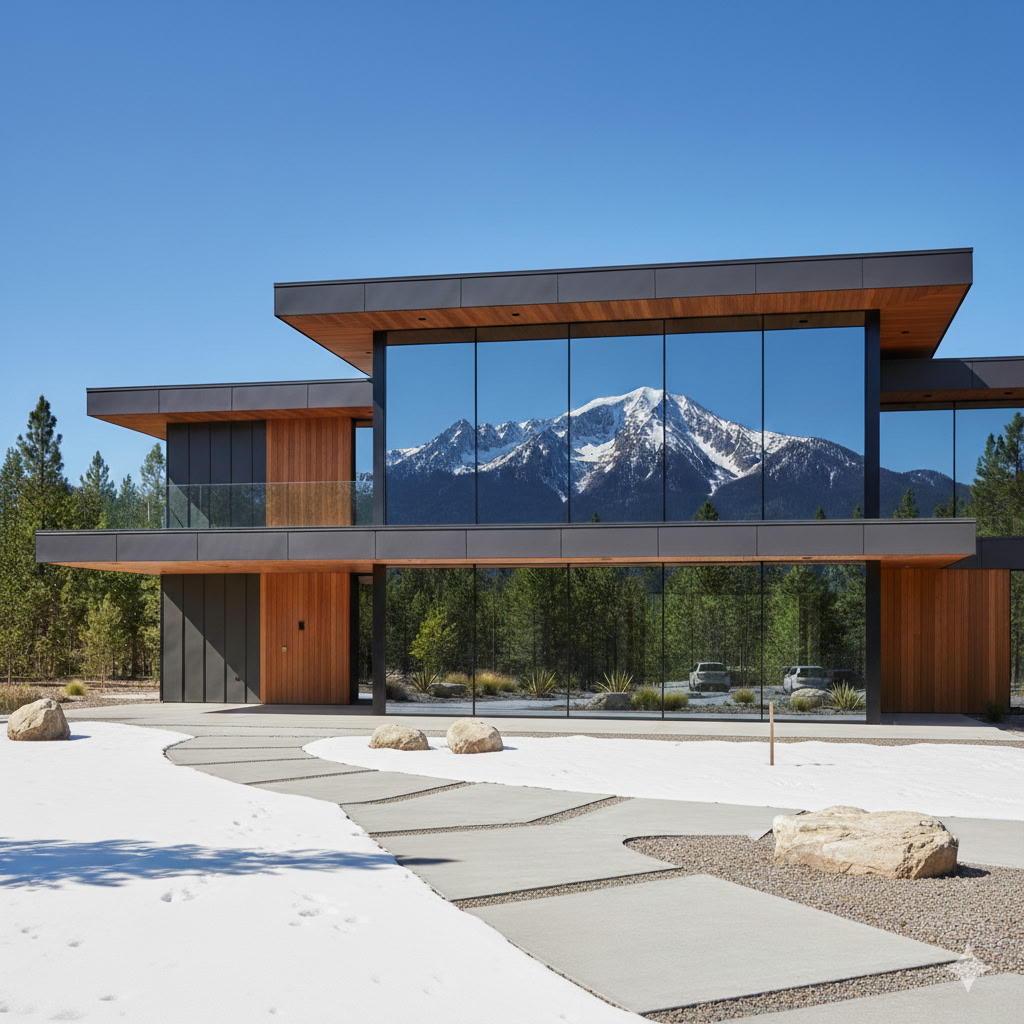

A window can look right on a drawing and still create problems after occupancy: uncomfortable perimeter zones, excess cooling demand, fading finishes, condensation, or noise complaints. Knowing how to compare window glazing helps builders, designers, and property owners evaluate what is inside the glass unit, not just the appearance of the window. The right choice depends on climate, orientation, opening size, frame system, code requirements, and the performance priorities of the project.
Start With the Performance Goal
Window glazing is the glass system installed within a window or door. It may include one, two, or three panes of glass; sealed airspaces; inert gas fills; low-emissivity coatings; laminated interlayers; and specialty tints or patterns. Each component affects thermal performance, solar control, daylight, security, acoustics, and appearance.
The first comparison question is not whether double or triple glazing is “best.” It is what the assembly needs to accomplish. A south- or west-facing elevation in a hot climate may need stronger solar control. A cold-climate residence may prioritize interior glass temperature and lower heat loss. A street-facing commercial space may need laminated glass to improve safety and reduce exterior noise.
Set the project priorities before reviewing glass options. This prevents a common specification mistake: choosing a high-performance glazing package for one metric while creating an unwanted compromise in another.
How to Compare Window Glazing by Energy Ratings
For most projects, the key data appears on the window or glass manufacturer’s performance documentation. Review ratings for the complete window system whenever possible. Glass performance can change once it is paired with a particular frame, spacer, sash, and installation configuration.
U-Factor Measures Heat Loss
U-factor indicates how readily heat moves through a window assembly. Lower numbers mean better insulating performance. In heating-dominated climates, a lower U-factor reduces winter heat loss and helps keep the interior glass surface warmer, which can improve comfort near the window.
Double-pane insulated glass is a practical baseline for many North American projects. It typically performs far better than single-pane glass, especially when paired with a low-E coating and argon gas fill. Triple-pane glazing can achieve lower U-factors and may be worthwhile for cold regions, high-performance homes, or projects targeting aggressive energy goals.
However, triple glazing is not automatic value. It adds weight, cost, and sometimes thicker frame requirements. On a mild-climate project or a small, shaded opening, the additional performance may not produce the same return it would on a large exposed elevation.
SHGC Controls Solar Heat Gain
Solar Heat Gain Coefficient, or SHGC, measures how much solar heat passes through the glazing. It is expressed from 0 to 1. Lower SHGC means less solar heat enters the building.
A low SHGC is often useful on hot, sunny exposures where cooling demand and glare are major concerns. In colder climates, carefully placed windows may benefit from a moderate or higher SHGC to admit useful winter sun. The proper number depends on orientation and shading, not only on the local weather.
For example, west-facing glazing without exterior shade often requires more solar control than north-facing glazing. Large expanses of glass may also need a lower SHGC than smaller punched openings on the same building. Compare the glazing package with overhangs, fins, screens, nearby structures, and landscaping in mind.
Visible Transmittance Affects Daylight
Visible Transmittance, or VT, measures the portion of visible light that passes through glazing. Higher VT generally means more daylight. It can reduce dependence on electric lighting and make interior spaces feel more open, but the highest VT is not always the right answer.
Low solar heat gain glass may reduce visible light depending on the coating and tint. A dark or highly reflective product can control glare and heat while making interiors noticeably dimmer. For residential spaces, offices, retail areas, and occupied common spaces, compare VT alongside SHGC rather than treating one as more important than the other.
Compare the Glass Build-Up, Not Just the Pane Count
Two double-pane units can perform very differently. Ask for the actual insulated glass unit configuration, including glass thickness, coating location, spacer type, cavity width, and gas fill. These details determine much of the final performance.
Low-E coatings are a central part of modern energy-efficient glazing. They reduce radiant heat transfer while still allowing selected levels of light and solar energy through. Different low-E products are designed for different goals. Some are optimized to retain interior heat in cold conditions, while others provide stronger solar control for cooling-dominated locations.
Argon is commonly used between panes because it improves insulation compared with air. Krypton can offer higher performance in narrower cavities, though it is typically more expensive. Gas fill alone should not drive the decision. It works as part of the complete insulated glass unit.
Warm-edge spacers also deserve attention. The spacer separates the panes around the perimeter of the unit. Better spacer systems can reduce edge-of-glass heat transfer and lower condensation risk. This detail is especially relevant in cold climates, humid interiors, and projects with large glass areas.
Account for Climate, Orientation, and Building Use
A glazing specification should be specific to where and how the building operates. A single package used on every elevation may simplify purchasing, but it can leave performance on the table.
In hot and mixed climates, look closely at SHGC, glare control, and cooling loads. In northern climates, prioritize low U-factor, condensation resistance, and reasonable daylight transmission. Coastal and high-wind regions may also require impact-rated or enhanced structural glazing systems. Local code requirements and tested product approvals should be confirmed before final selection.
Building use matters as much as geography. A bedroom, storefront, school, restaurant, office, and multifamily corridor do not have the same privacy, acoustic, safety, or daylight requirements. A lobby may benefit from clear, high-VT glazing, while a conference room facing a parking lot may need solar control and sound reduction.
Evaluate Safety, Security, and Acoustic Performance
Energy ratings are only part of the comparison. Tempered and laminated glass address different safety needs. Tempered glass is designed to break into small fragments and is commonly required in hazardous locations such as doors, sidelites, and areas near floors. Laminated glass uses an interlayer that holds broken glass together, supporting safety, security, UV control, and acoustic performance.
For projects near busy roads, rail lines, airports, or active commercial areas, compare sound performance using Sound Transmission Class, or STC, and Outdoor-Indoor Transmission Class, or OITC. Higher values generally indicate better noise reduction, but performance depends on the full window assembly and surrounding wall construction.
Laminated glass can improve acoustic control, particularly when combined with panes of different thicknesses. This is known as an asymmetrical glass build-up. It can be more effective than simply adding another identical pane. The trade-off is added cost and weight, so it should be used where the project will benefit from it.
Do Not Separate Glazing From the Window System
High-performance glass cannot overcome a poorly matched frame or weak installation details. The frame material, thermal breaks, weatherstripping, drainage design, air leakage rating, and perimeter flashing all influence real-world performance.
Compare complete window documentation, including U-factor, air infiltration, water resistance, structural load performance, and applicable safety or impact testing. For commercial openings, confirm that the proposed system can meet project-specific size, pressure, and code requirements. For residential work, verify that the window package supports comfort and energy goals without creating avoidable complexity during installation.
A well-selected European-designed window system, for example, may combine insulated glazing with advanced seals and frame profiles. The benefit comes from the assembly working together, not from one glass feature in isolation.
Match Appearance to Long-Term Performance
Glazing affects the exterior character of a building. Clear glass, gray tint, bronze tint, reflective finishes, fritted patterns, and obscure glass all create different visual results. Review samples under daylight conditions and compare them against adjacent cladding, doors, and interior finishes.
Color consistency matters across large elevations and replacement phases. Ask whether the specified coating, tint, and heat treatment will create visible variation between units. Also consider exterior reflectivity. A glass product that looks refined on a small sample can appear much darker or more mirror-like across a full facade.
For premium residential and commercial work, custom sizes, colors, and finishes should support the intended design without compromising required ratings. The strongest specification balances appearance with verified performance data.
Specify the Right Glazing Before Ordering
Before placing an order, confirm the final glass make-up, ratings, safety locations, dimensions, orientation, and frame system. Make sure the glazing package is aligned with the project’s climate zone, energy code, structural requirements, and owner expectations. If the project includes unusually large openings, high exposure, or demanding acoustic needs, involve the window supplier early enough to review the complete assembly.
The best glazing is not necessarily the most expensive package or the one with the most panes. It is the system that delivers measurable comfort, durability, daylight, and protection for the building it serves. A disciplined comparison at the specification stage prevents costly adjustments after the windows are installed.

Leave a Reply