


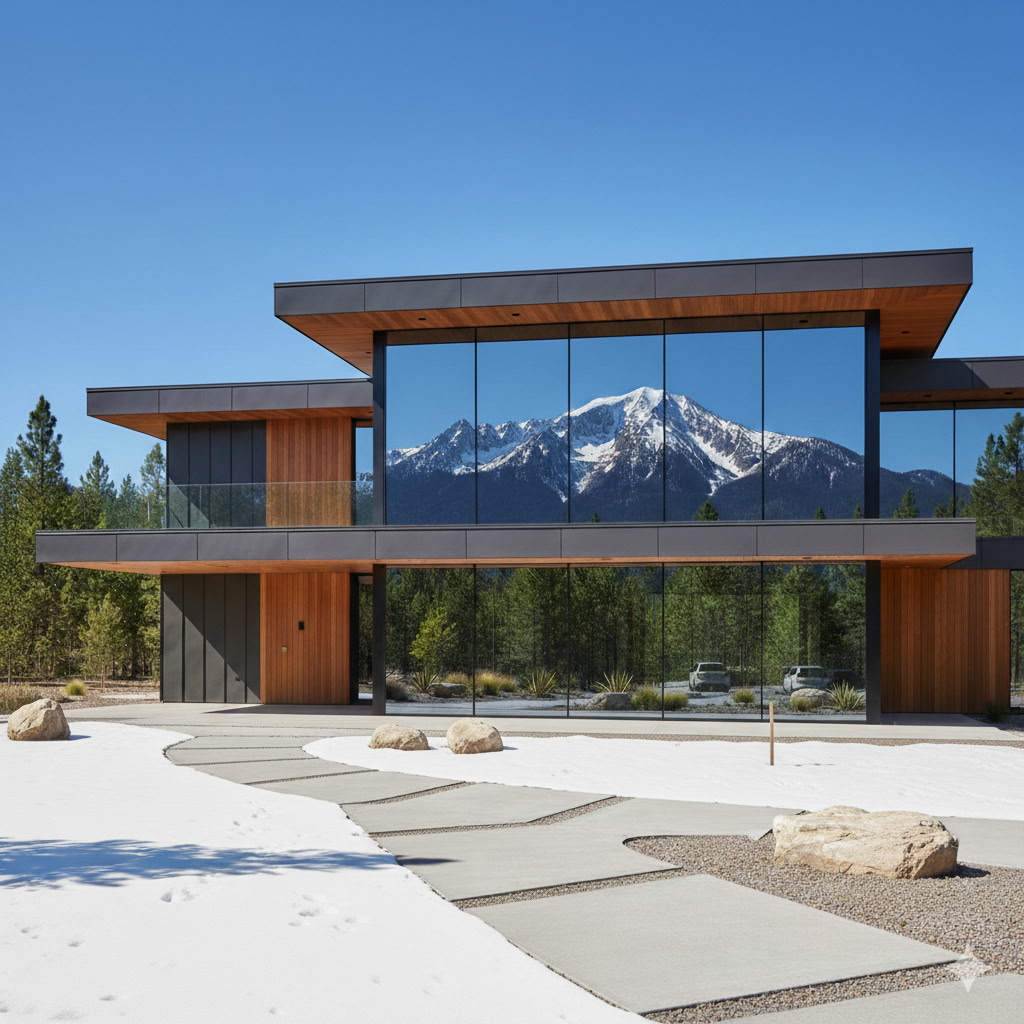

When clients ask what are ACM panels, they are usually trying to solve two problems at once – they want a clean, modern finish, and they need a material that can hold up over time. That is exactly where ACM earns its place. In both residential and commercial construction, aluminum composite material panels offer a practical way to achieve a refined exterior or interior surface without taking on the weight, maintenance, or design limitations of many traditional cladding options.
What are ACM panels?
ACM panels are aluminum composite material panels made from two thin sheets of aluminum bonded to a core material. That layered construction is what gives the panel its balance of strength, flatness, and manageable weight. Instead of using a solid metal plate, manufacturers combine materials to create a panel that is easier to fabricate, easier to handle on site, and highly consistent in appearance.
For project teams, that matters. A panel system that looks sharp on a rendering but creates installation headaches in the field can quickly become expensive. ACM helps avoid that problem because it is engineered for fabrication and finish performance, not just appearance.
These panels are commonly used for exterior facades, soffits, canopies, column covers, signage, equipment screens, and select interior feature walls. In short, ACM is not a niche product. It is a specification-ready material used across a wide range of building types where durability and visual control both matter.
How ACM panels are built
To understand what are ACM panels in practical terms, it helps to look at their construction. The outer layers are aluminum skins, typically coil-coated or finished for color consistency and weather resistance. The inner core can vary depending on the product and intended application. That core affects fire performance, rigidity, and in some cases code compliance.
This is where specification details become important. Not every ACM panel is the same, and not every panel is appropriate for every project. For example, an interior decorative wall application may have different performance requirements than a commercial exterior facade exposed to wind, moisture, and temperature swings. The panel thickness, finish type, mounting system, and core composition all need to align with the job.
That is one reason contractors and architects often prefer working with experienced suppliers. Good material selection happens before panels ever arrive on site.
Why builders and designers choose ACM panels
The main reason ACM continues to gain traction is simple: it gives projects a high-end look with strong real-world performance. It delivers a crisp, contemporary surface that works well on both large commercial elevations and custom residential details.
One of the biggest advantages is flatness. Solid sheet metal can show more waviness or oil-canning depending on gauge, substrate, and installation conditions. ACM panels are known for a smoother, more uniform appearance, which is especially valuable on modern facades where every line is visible.
Weight is another major benefit. Because ACM is lighter than many comparable cladding materials, it can reduce handling difficulty and support more efficient installation. That does not automatically make every project simpler, but it often helps crews work faster and with better control.
Then there is finish flexibility. ACM panels are available in a wide range of colors, metallics, wood-look finishes, and custom options. For owners and architects trying to meet a specific design intent, that flexibility is a serious advantage. A building envelope does not have to trade visual impact for durability.
Low maintenance also plays a role. Properly finished ACM panels resist fading, corrosion, and weather exposure far better than materials that require regular painting or more aggressive upkeep. Over the life of a building, that can improve long-term value, especially in climates with heavy sun, rain, freeze-thaw cycles, or coastal exposure.
Where ACM panels work best
ACM performs well in projects that demand a polished appearance and reliable weather resistance. On commercial buildings, it is often used for facades, entrance features, parapets, fascia, and branded architectural elements. It creates strong visual definition without adding unnecessary bulk.
In residential work, ACM is increasingly used in contemporary custom homes, multifamily exteriors, accent walls, and soffit or trim applications. It is particularly effective when the design calls for clean geometry, mixed materials, and a modern finish that still feels durable and practical.
It also works well in renovation projects. If an older building needs a visual refresh, ACM can help modernize the exterior without requiring a complete structural redesign. That said, retrofit applications still need careful review of subframing, attachment methods, and moisture management.
This is where product knowledge matters more than trend appeal. A good-looking panel is only part of the equation. It also has to perform in the assembly it is being used in.
Performance factors that matter on real projects
ACM panels are often selected for appearance first, but performance is what justifies the specification. They offer strong resistance to moisture and weather when installed as part of a properly designed system. They also perform well against UV exposure when paired with quality finishes, helping maintain color and surface integrity over time.
Impact resistance and dimensional stability are also important. Buildings expand, contract, and move with temperature changes and structural loads. ACM systems can accommodate those realities when detailed correctly. That does not mean they are foolproof. Like any cladding product, they depend on proper engineering, fabrication, and installation.
Fire performance deserves separate attention. This is one area where assumptions can create risk. Different ACM products have different core materials, and code requirements vary by building type, height, occupancy, and jurisdiction. Anyone specifying ACM should verify the exact product, tested assembly data, and local compliance requirements. There is no one-size-fits-all answer here.
ACM panels compared to other facade materials
ACM often gets compared to solid aluminum panels, fiber cement, high-pressure laminate, stucco, and metal siding. Each option has its place. ACM stands out when the project needs a very clean, fabricated look with a lightweight profile and broad finish flexibility.
Compared with solid aluminum, ACM is typically more economical for creating large, flat architectural surfaces and can be easier to fabricate. Compared with fiber cement, ACM generally delivers a sleeker appearance and lower water absorption, though fiber cement may suit more traditional design language. Compared with stucco, ACM usually offers more dimensional precision and lower maintenance, but at a different price point and with a more contemporary visual effect.
That trade-off matters. If the goal is a warm, textured, highly traditional facade, ACM may not be the first choice. If the goal is precision, durability, and a modern envelope detail, it is often one of the strongest options available.
What to look for when selecting ACM panels
If you are evaluating ACM for a project, start with application. Exterior and interior uses are not interchangeable from a performance standpoint. From there, review panel thickness, finish quality, core type, fabrication capability, and attachment system compatibility.
Color consistency is another practical issue. On larger projects, visual variation can become obvious if product quality is inconsistent. That is why reliable sourcing matters. The same goes for custom work. If a project requires a specific size, finish, or design detail, the supplier should be able to support those requirements without creating delays or compromising quality.
Lead time, fabrication precision, and technical support can be just as important as the panel itself. A material may look right on paper but still create friction in scheduling or installation if supplier coordination is weak. Experienced teams usually evaluate the support behind the product, not just the product brochure.
For many builders, architects, and owners, that is where a company like First Class Building Products adds value. The right panel solution is not only about having options. It is about matching performance, finish, and fabrication requirements to the actual demands of the project.
Are ACM panels worth it?
For many projects, yes. ACM panels are worth serious consideration when long-term appearance, low maintenance, and design flexibility are priorities. They can support premium curb appeal while also meeting the practical expectations of commercial and residential construction.
Still, the right answer depends on scope, budget, code requirements, and design intent. ACM is not the default solution for every wall or every client. But when it is specified correctly and installed as part of a well-designed assembly, it can deliver a level of finish and performance that few other cladding materials match at the same balance of weight, versatility, and visual precision.
If you are planning a new build, recladding an exterior, or refining a modern facade concept, ACM panels are worth reviewing early. The best results usually come from making the material decision before the details are locked in, not after the compromises start.


Leave a Reply