


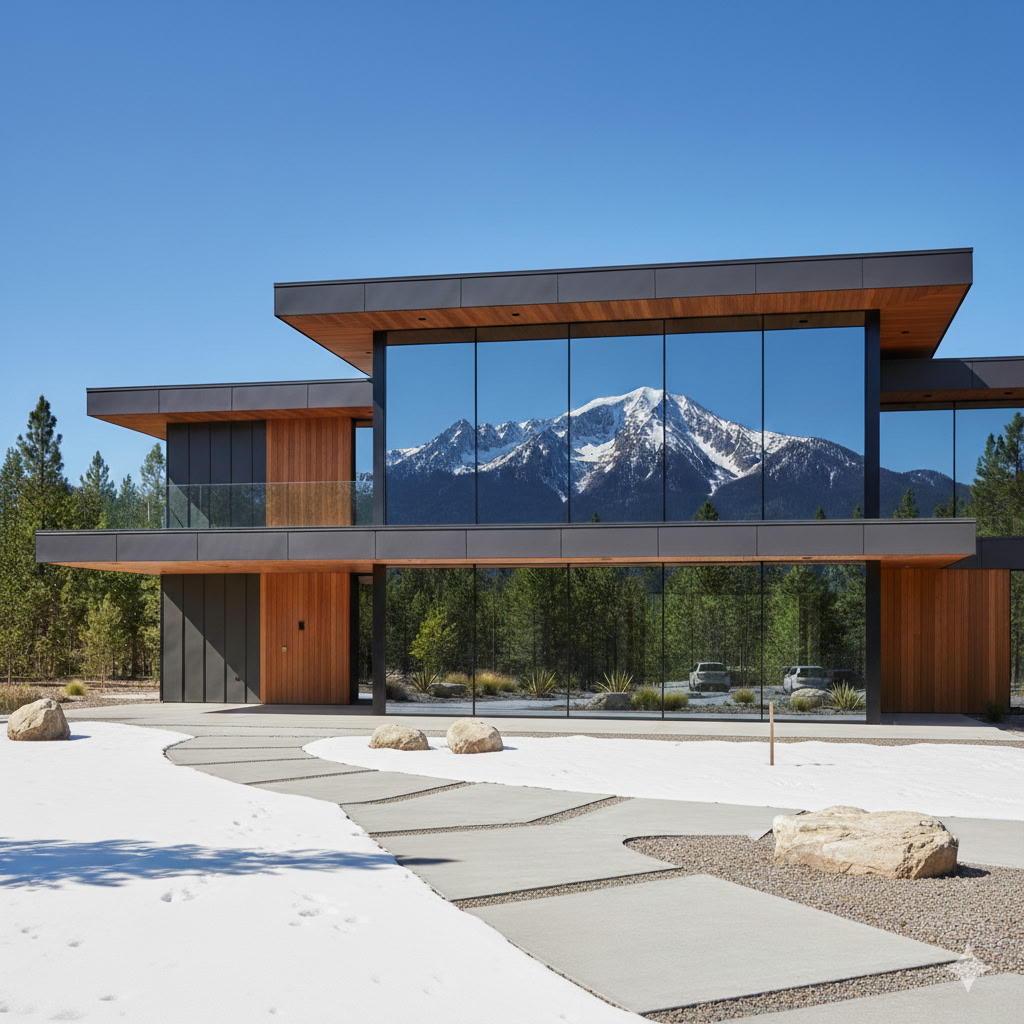

A facade decision usually gets judged twice – once at the design review table, and again years later when the building has faced heat, wind, rain, impact, and routine maintenance. That is why commercial facade panel systems deserve close attention early in the project. They do more than shape curb appeal. They influence weather protection, long-term operating costs, installation efficiency, and how well a building holds its value over time.
For contractors, architects, developers, and owners, the real question is not simply which panel looks best on elevation drawings. It is which system meets the visual intent while standing up to climate exposure, code demands, scheduling pressure, and budget realities. A strong specification balances all of those factors.
What commercial facade panel systems actually do
Commercial facade panel systems create the visible outer skin of a building while supporting broader envelope performance. Depending on the assembly, they can contribute to rain screening, impact resistance, insulation strategy, ventilation, and fire performance. They also help organize transitions at windows, doors, corners, parapets, and expansion joints.
That matters because facade performance is never just about the panel face. A well-selected system must work as part of a larger wall assembly. Subframing, attachment methods, joint detailing, air and water control layers, and thermal design all affect the final result. A premium-looking panel can still underperform if the supporting system is poorly matched to the project.
In practical terms, the best systems simplify coordination rather than complicate it. They give design teams enough flexibility to create a clean appearance while helping installers maintain consistency in the field.
Why panel system selection affects more than appearance
Appearance drives many early conversations, and it should. Facade panels define character, scale, and brand presence for office buildings, retail centers, mixed-use developments, hospitality projects, education facilities, and multifamily properties. But visual appeal alone is not enough for a commercial specification.
Durability is usually the first performance issue that separates one option from another. Materials exposed to UV, freeze-thaw cycles, moisture, pollution, and temperature swings need finishes and core properties that can hold up without premature fading, warping, corrosion, or surface breakdown. If the project is in a coastal or high-humidity environment, the margin for error gets smaller.
Maintenance is another major consideration. Some facade materials look good at turnover but require more frequent cleaning, refinishing, sealant attention, or panel replacement over time. Others offer a lower-maintenance path that better suits owners managing multiple properties or high-traffic commercial assets.
There is also a construction reality. Some commercial facade panel systems install faster, allow cleaner fabrication, and reduce field adjustments. Others may offer a distinctive architectural effect but demand tighter tolerances, more labor, or specialized detailing. Neither path is automatically right or wrong. It depends on the project team, timeline, and performance priorities.
Common material options and where they fit
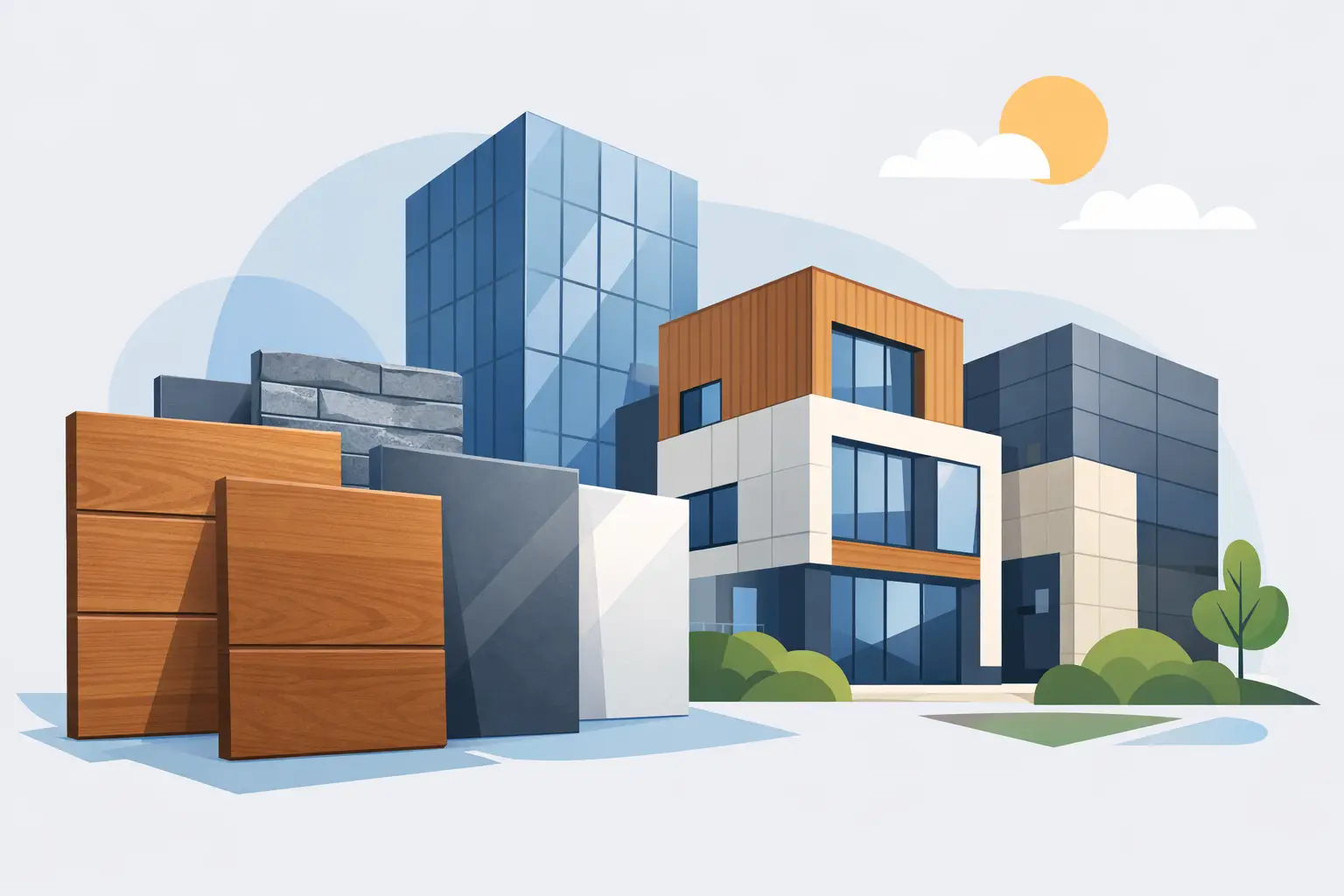
Aluminum-based panel systems remain a strong choice for many commercial applications because they balance clean aesthetics, corrosion resistance, and fabrication flexibility. They can support modern designs with flat, crisp lines or more dimensional compositions depending on the profile and finish. For teams seeking custom colors, sizes, and finishes, aluminum systems often provide useful design range without giving up practical performance.
ACM panels are widely specified for their lightweight construction, consistent appearance, and efficient installation profile. They are often a fit for contemporary commercial exteriors where teams want a refined look with manageable maintenance demands. As with any product category, the exact specification matters. Core type, finish quality, and code compliance should be reviewed carefully, especially when fire performance is part of the design conversation.
Solid aluminum panels can be a better fit when a project calls for added rigidity, custom fabrication, or specific performance requirements. They may come at a different price point than composite options, but some applications justify that investment through longevity, detailing control, or project-specific engineering needs.
Fluted and textured panels are also gaining traction in commercial work because they add depth without requiring complicated form changes in the structure behind them. Used well, they create visual movement and help large facades feel more intentional. Used poorly, they can make detailing at corners and openings harder than expected. This is where supplier guidance and shop drawing discipline become especially valuable.
How to evaluate commercial facade panel systems
The best way to compare systems is to review them against the actual jobsite and ownership conditions, not a generic checklist. Climate comes first. A panel system that performs well in a mild region may not be the right answer for projects facing heavy wind loads, strong sun exposure, snow cycles, or coastal conditions.
Next is code and compliance. Fire requirements, testing standards, structural attachment, and local jurisdiction expectations should be addressed before the design is too far along. Teams sometimes lose time by choosing a look first and then trying to force compliance later.
Then there is scale. On a small facade feature, a custom panel approach may be manageable. On a large commercial elevation, repeatability matters more. Panel dimensions, module alignment, fabrication lead times, and installation sequencing all become more important as facade area grows.
Budget should be evaluated as a life-cycle question, not just a material purchase question. A lower-cost panel may create added labor, more waste, or greater long-term maintenance. A higher-quality system may reduce call-backs and preserve appearance longer. The best value often sits in the middle of those extremes.
Design flexibility without specification risk
One of the main reasons facade panels remain popular is design freedom. Architects can work with flat planes, expressed joints, mixed material palettes, bold colors, wood-look finishes, metallic effects, and custom dimensions. That flexibility is a genuine advantage, especially in competitive commercial markets where exterior identity matters.
Still, flexibility should not come at the expense of specification discipline. Every custom decision affects lead time, fabrication, and installation. Unique finishes may have different availability. Oversized panels may require special handling. Complex layouts may increase labor and coordination demands at penetrations and transitions.
This is where a knowledgeable supplier adds value. First Class Building Products, for example, focuses on specification-ready materials with custom design capability, which helps teams pursue a stronger visual result without losing sight of field performance. That kind of support is useful when the facade needs to meet both aesthetic targets and practical construction constraints.
Installation and detailing are where performance is proven
Even the best panel material can underperform if installation quality slips. Commercial facades rely on alignment, fastening, support spacing, joint consistency, and careful integration with the rest of the envelope. Problems often show up first around corners, window perimeters, movement joints, and parapet transitions.
It is also worth remembering that panel systems do not operate alone. Water management depends on how the facade works with flashing, air barriers, insulation, and drainage strategy. A panel that sheds water effectively still needs the full assembly behind it to be detailed correctly.
For project teams, that means early coordination matters. Shop drawings, mockups, finish approvals, and realistic lead-time planning can prevent expensive field changes. A little more discipline before fabrication usually saves a lot more effort after delivery.
The long-term view owners care about
Owners may not focus on clip spacing or subgirt layout, but they do care about service life, maintenance costs, tenant perception, and asset value. Commercial facade panel systems can support all four when they are chosen well.
A building that keeps a clean, modern appearance with limited upkeep is easier to manage and easier to market. Panels that resist fading, moisture issues, and visible wear can help preserve the original design intent for years. That is especially important for retail, hospitality, multifamily, and office properties where exterior condition influences first impressions and leasing strength.
There is also the sustainability angle. Durable, low-maintenance materials can reduce replacement frequency and help support longer building life cycles. Energy performance depends on the full envelope design, but facade choices still play a meaningful role in creating a more efficient and resilient exterior assembly.
The right facade system is rarely the one with the loudest marketing claims. It is the one that fits the building type, climate, budget, design intent, and ownership timeline with the fewest compromises. When those pieces line up, the facade stops being a problem to manage and becomes a durable advantage the project can keep using long after closeout.
Leave a Reply