


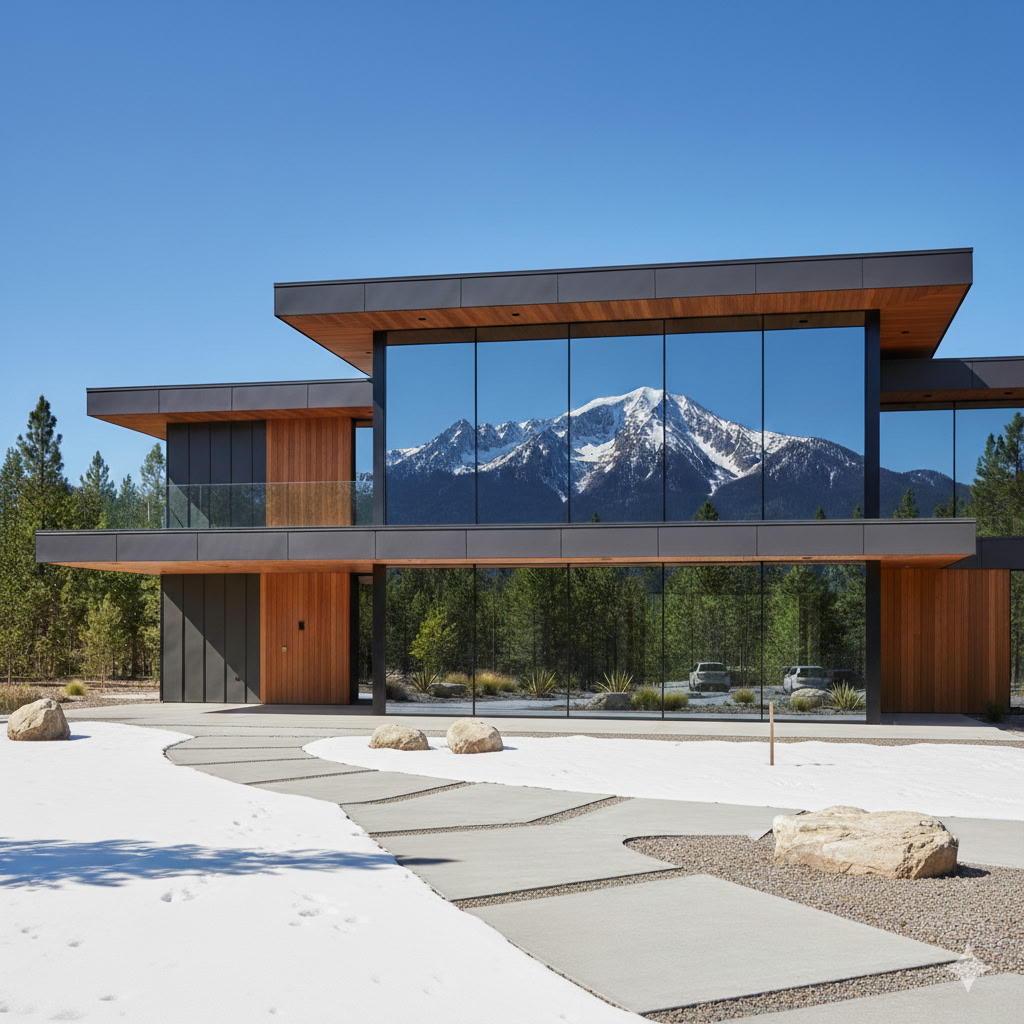
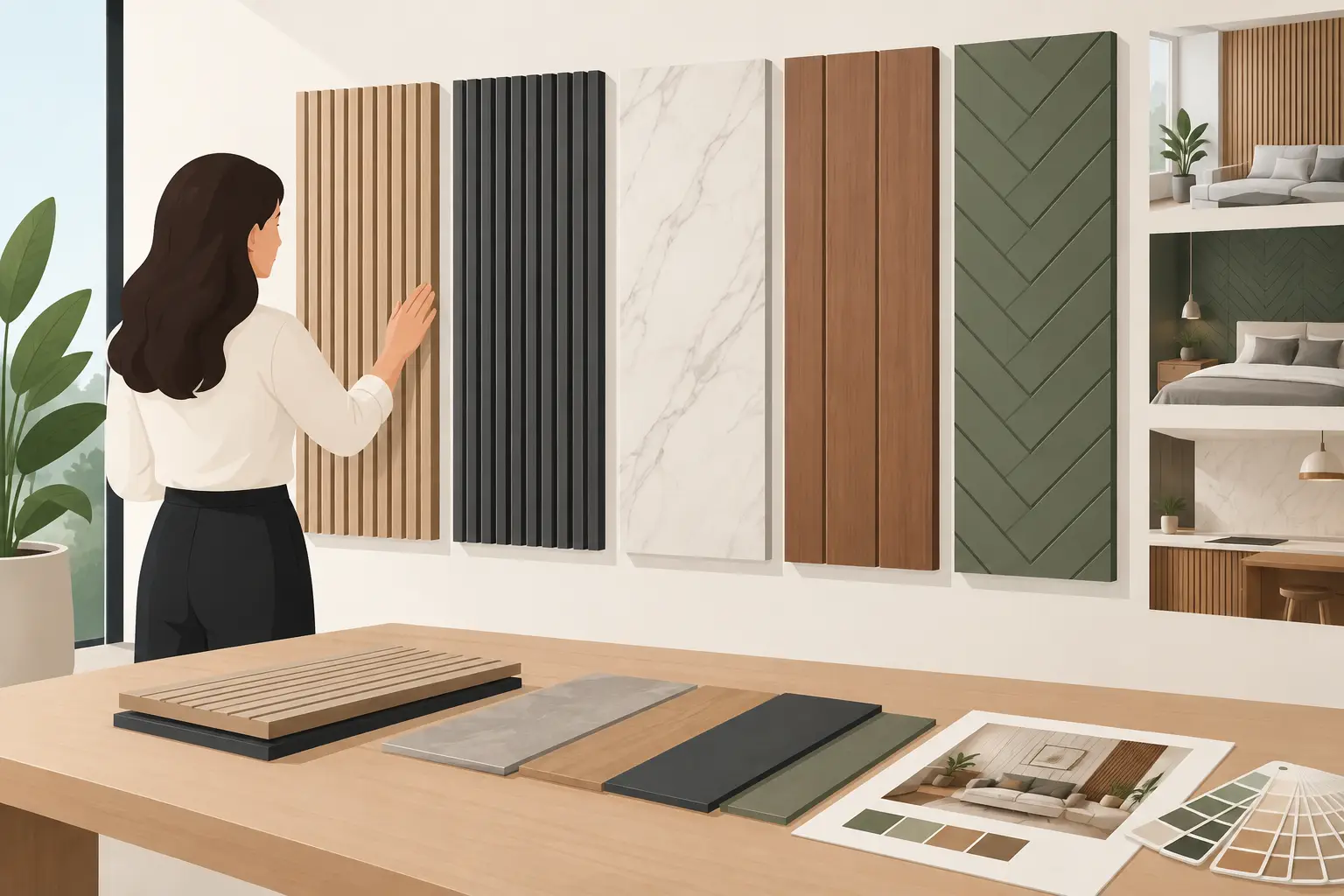
A decorative panel can set the visual standard for an entire facade, feature wall, lobby, or retail space. But a finish that looks right in a showroom may not be right for the installation environment. Knowing how to choose decorative panels starts with evaluating performance requirements alongside color, texture, and cost – not after the design decision has already been made.
For contractors, architects, developers, and property owners, the right panel should support the intended design while holding up to the demands of the site. That means considering exposure, substrate conditions, installation details, code requirements, and the level of maintenance the owner can realistically expect to provide.
Start With the Panel’s Location and Job
The first question is not which finish looks best. It is where the panel will be installed and what it needs to do.
Interior decorative panels are often selected for reception areas, corridors, hospitality spaces, kitchens, bathrooms, media walls, and retail environments. In these applications, the priorities may include appearance, cleanability, impact resistance, and compatibility with lighting or millwork. A deeply textured panel can add visual dimension, for example, but it may collect dust in a high-traffic commercial setting.
Exterior panels face a different set of conditions. Rain, humidity, UV exposure, temperature swings, wind load, and freeze-thaw cycles can all affect long-term performance. Exterior applications require materials and installation systems designed for weather resistance, drainage, movement, and secure attachment. A panel specified for an interior accent wall should never be assumed suitable for an exterior envelope.
Also define the panel’s functional role. Is it purely decorative, part of a rainscreen assembly, a privacy screen, a ceiling feature, or a protective wall covering? The answer affects the material, thickness, fastening method, and required supporting structure.
Choose a Material That Fits the Environment
Decorative panels are available in a broad range of materials, including aluminum, ACM, PVC-based products, composite materials, wood-look systems, and specialty architectural surfaces. Each option has strengths and limitations.
Aluminum and ACM panels are often considered when a project needs a clean architectural appearance, dimensional stability, low maintenance, and dependable weather performance. They can be fabricated in custom sizes and finishes, making them useful for commercial facades, entry features, soffits, and contemporary exterior details. The selected system still needs to be appropriate for the building design, local codes, and wind conditions.
Fluted decorative panels create shadow lines and a sense of depth that flat surfaces cannot provide. They are a strong choice for modern interiors, feature walls, hospitality projects, and covered exterior areas where a linear profile supports the overall design. Their grooves should be evaluated for cleaning requirements, especially in restaurants, healthcare settings, and other spaces where regular maintenance matters.
Wood-look composite panels can provide warmth without the maintenance demands associated with natural wood in certain applications. However, color consistency, UV performance, thermal movement, and fastening details should be reviewed before specification. If matching existing finishes is critical, request samples and inspect them under the lighting conditions of the project.
The best material is rarely the most expensive or the most visually dramatic option. It is the one that meets the project’s exposure, design, budget, installation, and maintenance requirements without creating avoidable risk.
How to Choose Decorative Panels by Performance
Appearance gets attention first, but performance determines whether the installation continues to look good years later. Review the product’s technical information before finalizing color or profile.
For exterior panels, confirm resistance to moisture, UV exposure, fading, corrosion, and temperature changes. Ask how the material handles expansion and contraction, particularly on large elevations or projects with significant direct sun exposure. A proper mounting system must allow for expected movement where required.
For interior panels, consider impact resistance, scratch resistance, moisture tolerance, and fire-performance needs. A decorative wall panel in a private residence may have different requirements than one installed in a busy multifamily corridor, office lobby, school, or restaurant. High-touch surfaces benefit from finishes that can be cleaned without special procedures or frequent refinishing.
Do not rely on a product name alone. Verify the intended application, available documentation, warranty terms, and installation instructions. Where building code, fire rating, or occupancy requirements apply, coordinate the final specification with the design professional and authority having jurisdiction.
Match Color, Texture, and Scale to the Design
Decorative panels work best when their visual impact is planned at the scale of the full wall or facade. A small sample can make a bold fluted profile appear subtle, while the same profile across a large lobby wall may become the dominant design element.
Review samples next to adjacent materials such as glass, metal, flooring, paint, stone, and window systems. This is especially important when mixing warm and cool finishes. A bronze-toned panel may read differently beside black aluminum framing than it does beside light oak flooring.
Lighting changes the result as well. Directional lighting can emphasize fluting, texture, and joint lines. Natural daylight can reveal variations in gloss or color that are less visible indoors. For exterior projects, evaluate samples in direct sun and shade whenever possible.
Panel size and joint layout should be considered early. Larger panels can create a cleaner, more monolithic appearance with fewer visible seams, but they may require more careful handling, specific substrate conditions, or specialized fabrication. Smaller modules can simplify replacement and reduce waste, although more joints may affect the finished look.
Custom colors, dimensions, and finishes are valuable when standard options do not align with the architectural intent. They also require additional coordination. Confirm lead times, minimum quantities, finish tolerances, and the process for approving control samples before ordering.
Plan for the Substrate and Installation Method
A high-quality decorative panel can only perform as well as the surface and attachment system behind it. Before procurement, inspect the substrate for flatness, strength, moisture concerns, and potential obstructions. Uneven walls can create visible alignment issues, particularly with long linear fluted panels or reflective finishes.
Installation requirements vary by material and application. Some panels are adhered directly to an interior wall, while others use clips, rails, screws, concealed fasteners, or a ventilated rainscreen system. The method affects labor, panel replacement, expansion allowance, drainage, and finished appearance.
For exterior applications, proper flashing, ventilation, and water management are not optional details. Decorative cladding should be integrated into the larger wall assembly rather than treated as a surface-only finish. Penetrations, corners, transitions, and termination points deserve the same attention as the field of the wall.
Coordinate panel layouts around doors, windows, outlets, lighting, signage, and access points before installation begins. This reduces unnecessary cutting and helps maintain a balanced reveal pattern. It also prevents the common problem of discovering late in the project that a panel joint lands in an awkward or highly visible location.
Consider Maintenance Before Selecting a Finish
Low maintenance does not mean no maintenance. Every panel system benefits from periodic inspection and cleaning, but some finishes are more forgiving than others.
High-gloss, dark, or heavily textured panels can make fingerprints, dust, water spots, and minor surface damage more noticeable. In an entryway or public-facing commercial space, a matte or lightly textured finish may provide a more practical long-term result. Light colors can minimize the appearance of dust, while very pale exterior finishes may show runoff or staining depending on the site.
Ask what cleaning products are approved and whether the finish can tolerate routine commercial cleaning. For exterior systems, determine how dirt, pollution, and water runoff will affect the selected color over time. A building near heavy traffic, salt exposure, trees, or irrigation overspray may need a different finish strategy than a protected suburban installation.
Balance First Cost With Long-Term Value
The lowest-priced panel is not always the lowest-cost choice. Material pricing is only one part of the decision. Fabrication, freight, waste, labor, accessories, substrate preparation, maintenance, and expected service life all affect the installed cost.
A more durable panel system may have a higher initial cost but reduce repainting, repairs, and replacement cycles. On the other hand, an elaborate custom profile may not be justified for a short-term retail build-out or a concealed area. The right level of investment depends on visibility, occupancy, exposure, and the owner’s long-term plans for the property.
First Class Building Products helps project teams evaluate decorative panel options with the practical details in mind: application, finish, durability, customization, and installation compatibility. Early product coordination gives the design team more control and gives the installer fewer surprises.
The strongest decorative panel selections are made before finishes are locked in and materials are ordered. Bring samples, drawings, performance expectations, and installation constraints into the same conversation early, and the finished space will have a better chance of looking intentional on day one and performing reliably for years afterward.


Leave a Reply